The Green Bay Packers are one of five NFL teams without an official mascot. The franchise briefly had a mascot named Packy Packer in the mid-1980s, but today, the team's identity is defined by its unique fan culture and community ownership. Game days at Lambeau Field feature traditions like the Lambeau Leap, the singing of the fight song "Go! You Packers Go!", and a sea of fans wearing cheesehead hats.
The Absence of an Official Mascot
The Green Bay Packers are one of the few NFL teams that does not employ an official mascot. This has been a consistent characteristic of the franchise, with the team entering the 2022 NFL season as one of five teams without a mascot. The name Packers itself originates from the team's first sponsor, the Indian Packing Company, a meatpacking firm where founder Curly Lambeau worked. The company provided $500 for uniforms in 1919 on the condition the team be named after it, leading to the Packers moniker. While there is no costumed character representing the team on the sideline today, the fan base itself, often adorned in cheese-themed attire, serves as an unofficial visual symbol. The lack of a mascot is a point of distinction for the organization, which focuses its game day presentation on team history, fan interaction, and musical performances.
Historical Mascots: Packy Packer and Gang Green
Although the Packers have no current mascot, the franchise has had two notable unofficial mascots in its history. The first was a fan-created character known as Gang Green. In 1978, a local fan named Robert Wagner began dressing in a green wig, face paint, tights, a t-shirt, and a cape, adopting the persona at games. Gang Green was active through roughly 1983, representing a superfan effort rather than a team-sponsored program. The only official mascot in team history was Packy Packer, introduced in 1984. Packy was part of a league-wide initiative by the NFL in 1983 to create Huddles mascots for all 28 teams at the time. The costume depicted a bearded, foam giant carrying a sausage, a nod to the team's meatpacking origins. The mascot's era coincided with mediocre on-field performance, as the Packers posted an 8-8 record in 1984.
Fan Culture and the Cheesehead Identity
Packers fans, often called Cheeseheads, are known for their loyalty and distinctive game day attire. The term Cheesehead and the foam wedge hat shaped like a block of cheese originated as a taunt from opposing fans but were adopted by Packers supporters in the late 1980s. The hats, along with other green and gold apparel, create a unified visual identity across Lambeau Field. The fan base is tied to the team's ownership structure, as the Packers are the only community-owned, non-profit major league professional sports team in the United States. This ownership model means fans literally own the team, fostering a sense of connection and the legitimate use of the word we when discussing the franchise. The team's home sellout streak is the longest in the NFL, with every home game sold out since 1960, despite Green Bay being the league's smallest market.
- The term Cheesehead was adopted by fans in the late 1980s.
- Lambeau Field has sold out every home game since 1960.
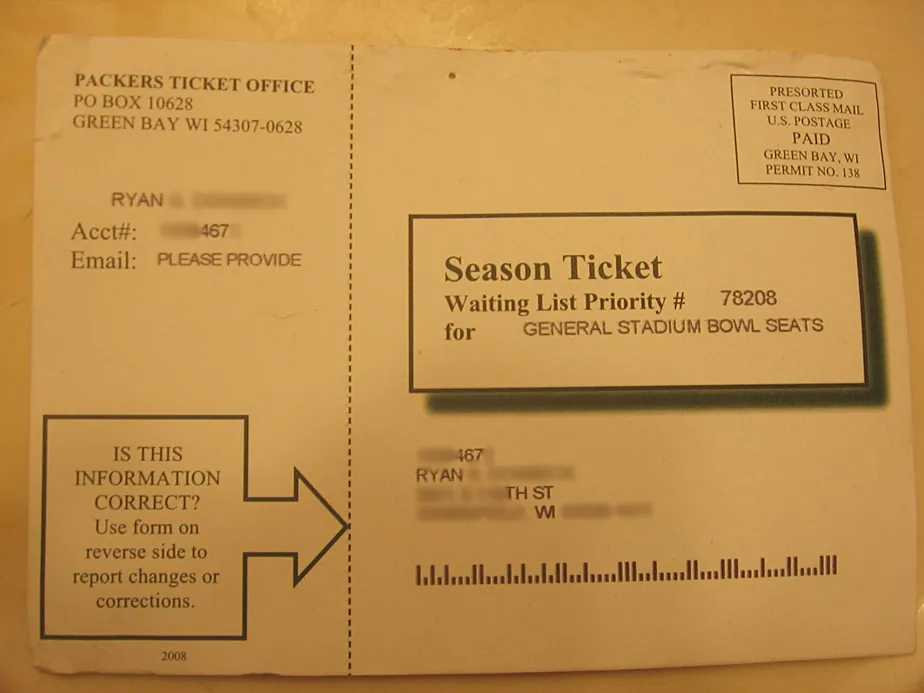
- The season ticket waiting list was estimated in 2011 to be 955 years long.
- Fans are known for traveling well, filling opposing stadiums with green and gold.
Game Day Traditions and Lambeau Field Atmosphere
Game days at Lambeau Field are defined by a set of traditions that contribute to the atmosphere in sports. The most famous player-fan interaction is the Lambeau Leap, where a Packers player jumps into the stands to celebrate a touchdown with fans in the south end zone. This tradition began in the 1990s and remains a ritual. The cold weather is also a part of the experience, with fans often wearing blaze-orange hunting coveralls for warmth, while others go shirtless even in snow. The stadium features the Oneida Nation Gate, honoring the local Native American tribe that has historical ties to the early days of professional football in Green Bay. The pre-game and in-game soundtrack is centered on the team's fight song, which is played after every Packers score. The energy is sustained by constant fan participation, including coordinated chants and the waving of rally towels, creating an environment that is both intimate and loud due to the stadium's design and passionate attendees.
The Fight Song: "Go! You Packers Go!"
The official fight song of the Green Bay Packers is Go! You Packers Go!. The song is a part of the game day soundtrack at Lambeau Field, played by the band and over the stadium speakers following every Packers score. Its simple, catchy melody and lyrics are recognizable to fans, who often sing along. The song reinforces team spirit and provides a unifying auditory cue for celebration. The fight song's prominence is a tradition that connects current games to the franchise's long history. While other music is played, Go! You Packers Go! Holds a special place as the definitive musical emblem of the team. Its repeated play during games ensures it remains a memory associated with attending or watching a Packers victory.
Notable Packers Fans and the Fan Hall of Fame
The Packers organization formally honors its supporters through the Packers Fan Hall of Fame, established in 1998. This program recognizes individuals who have demonstrated extraordinary devotion to the team, with nominees and inductees selected through a fan vote. The hall of fame highlights the team's recognition that its fans are a foundational element of the franchise's identity and success. Beyond honored fans, the Packers have a widespread and dedicated national following, with hundreds of officially designated Packers bars located across the United States. This network allows fans who cannot travel to Green Bay to gather and watch games in a community setting. The team's fans are also known for their significant presence at road games, often making opposing stadiums feel like partial home games due to the volume of green and gold in the stands. This traveling fan base is a phenomenon in the NFL, driven by the team's national appeal and the diaspora of Wisconsin natives and Packers stockholders living across the country.
Community Ownership and Its Impact on Fandom
The Green Bay Packers' status as a community-owned franchise shapes its relationship with fans. The team is operated as a non-profit corporation, Green Bay Packers, Inc., with all surplus revenue reinvested into the organization. This structure has saved the team from relocation multiple times in its history, as community stock sales have provided necessary capital while keeping the team rooted in Green Bay. For fans, purchasing a share of stock is a symbolic act of ownership, granting them voting rights at the annual meeting but no financial dividend. The value lies in the preservation of the team for the community. This model fosters a sense of collective responsibility and pride that is unmatched in professional sports. It directly fuels the loyalty visible on game days, as fans genuinely view themselves as stakeholders in the team's success. The waiting list for season tickets, famously estimated at 955 years in 2011, illustrates the scarcity and high demand created by this deep, multi-generational connection between the city and its team.
Lambeau Field and the Home Game Experience
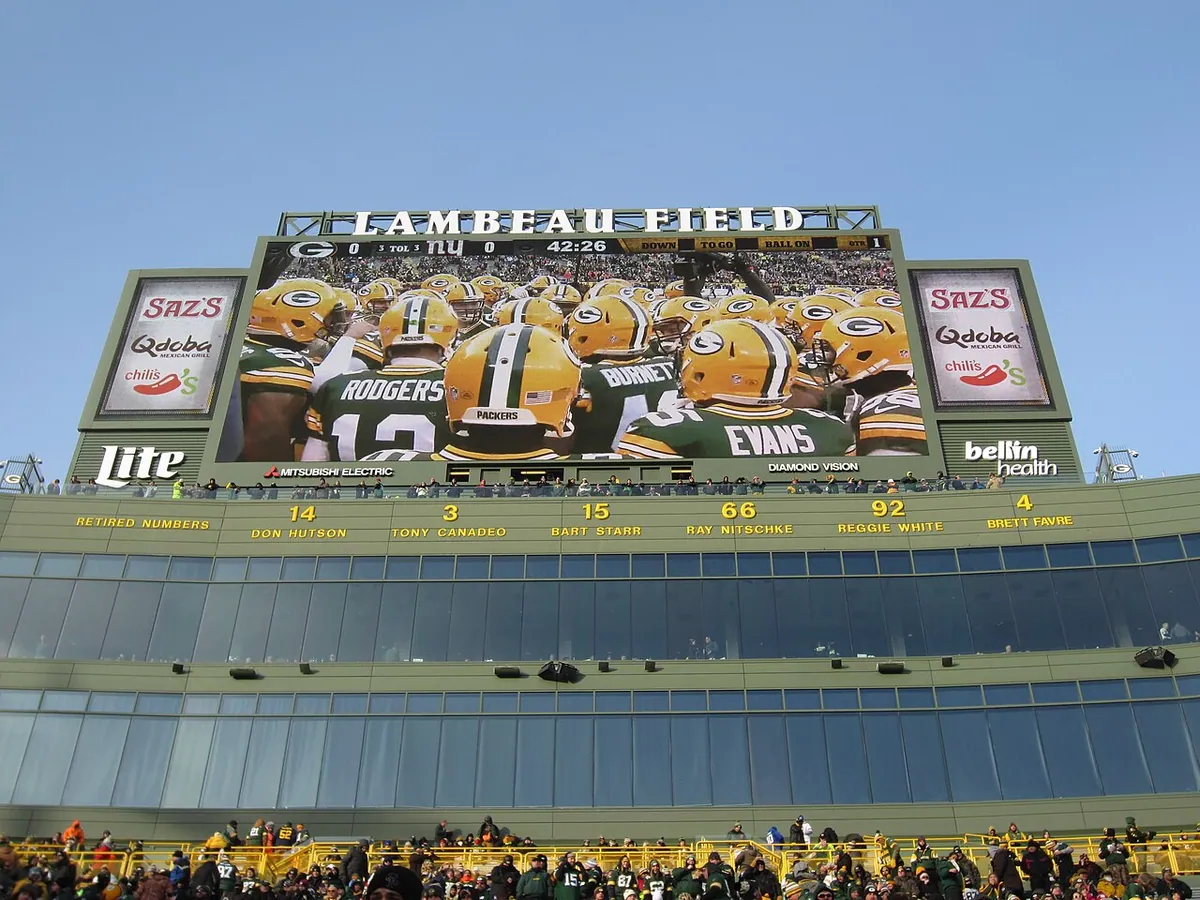
This streak is the longest in the NFL and persists despite Green Bay being the smallest city in the league with a population of about 104,000 people. The stadium's design and the Packers' consistent performance since the 1990s contribute to a loud and engaged environment. The team posted a regular season record of 268-166-3 from the 1999 season through 2025, with a playoff record of 15-18 in 33 games over that span. In the 2026 season through November 27, the Packers held a 6-5 record. The stadium itself is an economic and social hub for the region, with the Oneida Nation Gate acknowledging the local Native American community's historical connection to the team. Fans adapt to the often frigid Wisconsin weather, with some wearing hunting gear for warmth and others embracing the cold in minimal clothing, creating a visual spectacle unique to Packers games.
The Packers in Popular Culture and Media
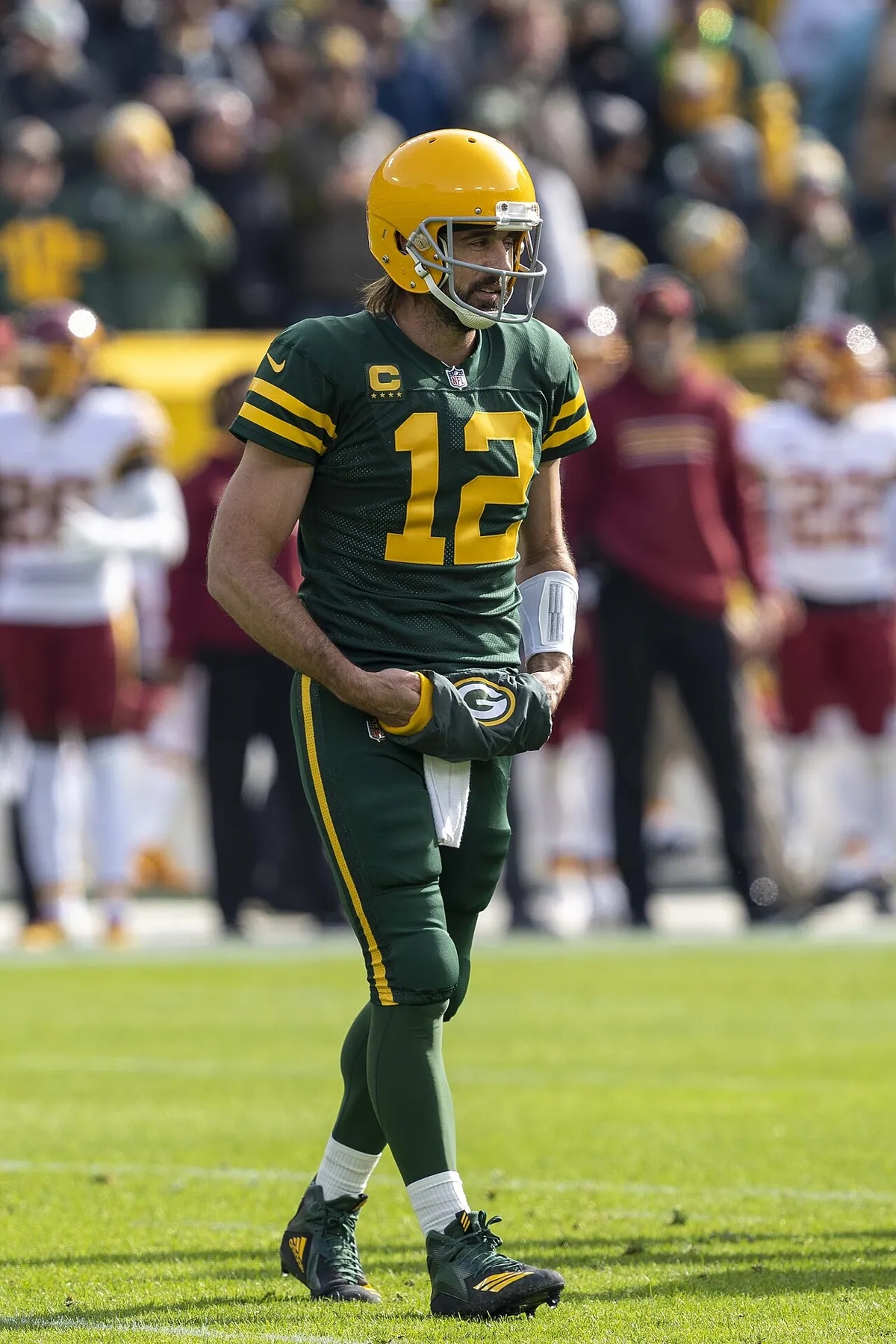
The Packers' unique story and fan culture have made them a frequent subject in media and popular culture. The team was featured on the cover of Time magazine on December 21, 1962, as part of a story on The Sport of the '60s during the Vince Lombardi era. The community ownership model is often cited as an anomaly in modern professional sports. The term Titletown was first applied to Green Bay in 1961 after the Packers won their first NFL championship under Lombardi. The team's value was estimated at $6.65 billion in 2025, ranking it as the world's 23rd-most-valuable sports franchise by Forbes, a notable figure given its small-market location. The Packers' fight song and the Lambeau Leap are regularly featured in national broadcasts, cementing these elements as part of the team's national identity. The franchise's history, including its 13 league championships and status as the third-oldest in the NFL, provides a deep backdrop for its contemporary fan traditions.
Video
FAQ
Do the Green Bay Packers have a mascot?
The Green Bay Packers do not have an official mascot today. They are one of five NFL teams that entered the 2022 season without a mascot. Packy was a bearded, foam giant costume that carried a sausage, created as part of a league-wide NFL mascot program. Before that, a superfan named Robert Wagner created an unofficial mascot called Gang Green, who appeared from about 1978 to 1983.
What is the Packers fight song?
The Green Bay Packers fight song is titled Go! You Packers Go!. It is played after every Packers score during home games at Lambeau Field. The song is a part of the game day atmosphere, with fans often singing along. Its catchy tune and lyrics are a traditional element of celebrating Packers touchdowns and field goals, reinforcing team spirit and fan unity.
Why are Packers fans called Cheeseheads?
Packers fans are called Cheeseheads because of the foam wedge hats shaped like a block of cheese that many wear to games. The term was originally used as an insult by opposing fans, notably from Chicago, referencing Wisconsin's dairy industry. Packers fans adopted the term proudly in the late 1980s, turning the cheesehead hat into a symbol of team pride and identity. Today, wearing a cheesehead is a common sight at Lambeau Field and Packers road games.
What is the Lambeau Leap?
The Lambeau Leap is a touchdown celebration tradition where a Green Bay Packers player jumps into the stands in the south end zone of Lambeau Field to celebrate with fans. The tradition began in the 1990s and has become a signature ritual of Packers home games. It symbolizes the connection between the players and the community-owned team's supporters. The leap is one of the most imitated celebrations in all of sports.
How long is the waiting list for Packers season tickets?
The waiting list for Green Bay Packers season tickets is famously long. In 2011, the Milwaukee Journal Sentinel estimated the wait to be 955 years. This extreme wait time results from the team's complete sellout streak at Lambeau Field, which has continued for every home game since 1960. The list reflects the intense demand from the team's widespread fan base and the limited seating capacity in the NFL's smallest market.
What was the name of the Green Bay Packers' official mascot in the 1980s?
The official mascot for the Green Bay Packers in the 1980s was named Packy Packer. This mascot was a sausage-carrying, bearded foam giant who wore a helmet and costume. Packy Packer was part of the NFL's 'Huddles' mascot program created for all teams in 1983. However, the mascot only lasted for two seasons from 1984 to 1986. Today, the Packers are one of the few NFL teams without an official mascot, though fans sometimes use cheese or other symbols.
Sources
- Green Bay Packers (Wikipedia) Wikipedia
- The Fans, Packers History packershistory.com
- nflverse game, roster and draft data nflverse (CC BY 4.0)