The game day experience at Gillette Stadium is also shaped by the New England Patriots Cheerleaders, a squad formed in 1971, and a dedicated fan culture. Key traditions include the playing of fight songs like "Crazy Train" and "I'm Shipping Up to Boston," creating a distinct atmosphere that has accompanied the team through multiple Super Bowl appearances. This article details the mascot, cheerleading squad, fan traditions, and the overall environment that defines a Patriots home game. Pat Patriot serves as the official mascot of the New England Patriots, embodying a soldier from the American Revolutionary War. The character originated as a cartoon logo drawn by Boston Globe artist Phil Bissell in 1960 for the then-Boston Patriots. This Pat Patriot logo appeared on team helmets from 1961 through the 1992 season. The live-action version of the mascot was developed in the early 1990s, making one of his first major public appearances at the 1995 Pro Bowl.
Pat Patriot: The Revolutionary Mascot
Pat Patriot's role extends far beyond game day entertainment at Gillette Stadium. He is a frequent presence at community events, schools, and hospitals throughout New England, acting as a key ambassador for the franchise. The mascot signs autographs, takes photos, and engages with fans of all ages to promote team spirit. His estimated annual salary is around $65,000, which ranks among the highest for NFL mascots.
Fan perception of Pat Patriot is notably strong, though mixed according to a September 2026 survey of 2,000 NFL fans. In that survey, Pat Patriot ranked as the fourth most-loved mascot in the league with an overall score of 7.04. Specifically, 25.84 percent of respondents associated him with being entertaining, while 16.69 percent found him humorous and 14.54 percent considered him engaging. Conversely, the same survey also named Pat Patriot the single most annoying mascot in the NFL, with 7.95 percent of respondents describing him as irritating. This dual recognition highlights his high profile and energetic style.
- 1960: Cartoonist Phil Bissell creates the original Pat Patriot logo.
- Early 1990s: The live-action mascot is developed.
- 1995: Makes a notable appearance at the Pro Bowl.
- September 2026: Ranked 4th most-loved and 1st most annoying mascot in a fan survey.
New England Patriots Cheerleaders
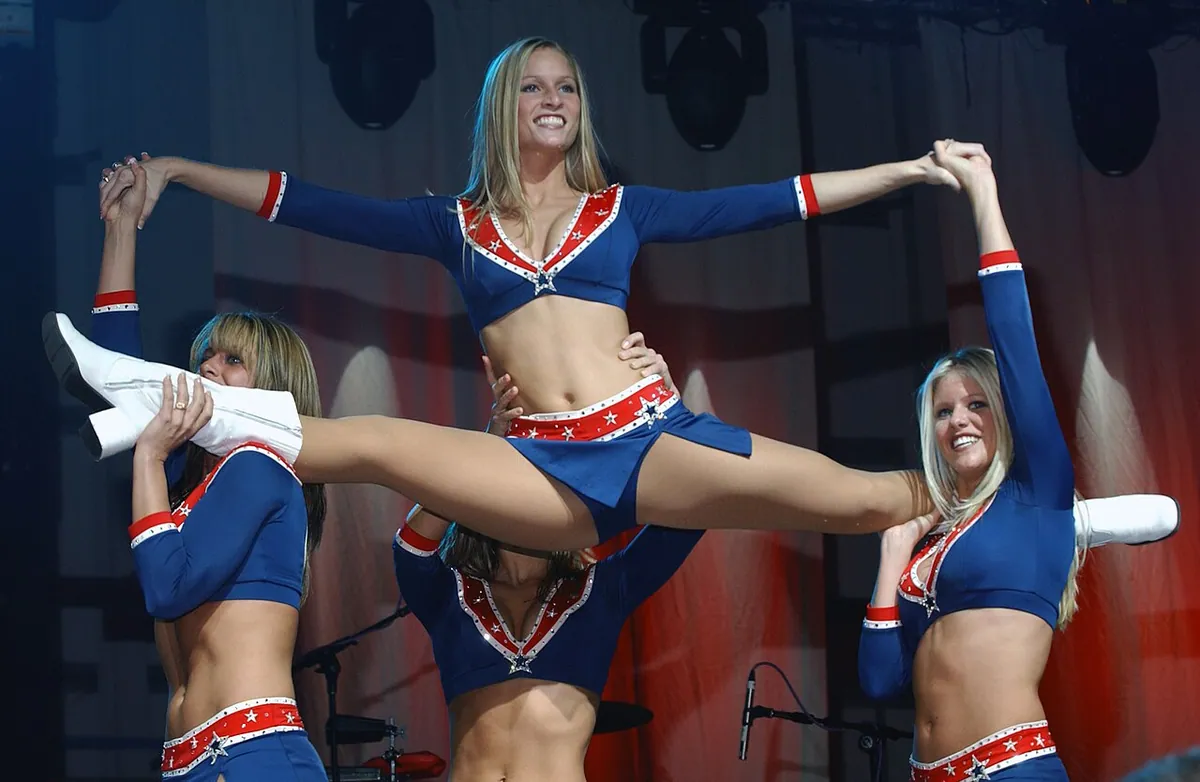
The New England Patriots Cheerleaders are the official cheerleading squad of the franchise, first formed in 1971. As of 2018, the squad consisted of 34 members who perform at all home games at Gillette Stadium. Auditions for the squad are held at the stadium, and the cheerleaders maintain a busy schedule of public appearances alongside mascot Pat Patriot throughout the region. The squad also operates a Junior Patriots Cheerleaders program for girls aged 7 to 17, where the senior squad members act as mentors to the younger participants.
The cheerleaders engage in significant community outreach and have undertaken international trips. In 2008, the squad traveled to China to help train Chinese dancers in preparation for the 2008 Summer Olympics in Beijing. Beyond performances, the squad produces an annual swimsuit calendar, a common promotional activity for NFL cheerleading teams. The cheerleaders' role is integral to the game day atmosphere, providing coordinated dance routines and crowd engagement throughout the contest.
Several former members of the New England Patriots Cheerleaders have gained notable recognition in other fields. Camille Kostek, who was a squad member from 2013 to 2014, later became a model and appeared on the cover of the Sports Illustrated Swimsuit Issue. Leah Van Dale, a cheerleader from 2007 to 2009, pursued a career in professional wrestling with WWE. Other notable alumni include Driss Dallahi, who cheered from 2019 to 2023, and Steven Sonntag, a member in 2019. These individuals highlight the diverse paths taken by squad members after their time with the team.
Fan Culture and Patriots Nation
The New England Patriots fan base is broadly known as Patriots Nation, a term that reflects the team's regional appeal. The franchise has sold out every home game since Robert Kraft purchased the team in 1994, demonstrating consistent and strong local support. This loyalty persisted through various home venues, including the long tenure at Foxboro Stadium and the move to Gillette Stadium beginning in the 2002 season. From the 1999 season through 2025, the Patriots compiled a regular season record of 292 wins and 145 losses, providing fans with a highly successful product on the field for over two decades.
Fan traditions are connected to the team's history and success. The team's name itself, the Patriots, was selected from a fan submission contest when the franchise was founded in 1959. The original logo, a tri-corner hat, was also a fan submission from Walter Pingree of Somerville, Massachusetts. This early fan involvement set a precedent for community connection. During the late 1970s, fan sentiment directly preserved the Pat Patriot logo when a proposed replacement was put to a voice vote at halftime of a 1979 game and was rejected by the crowd.
The game day atmosphere at Gillette Stadium is a culmination of these elements. The energy is fueled by the cheerleaders, the antics of Pat Patriot, and the passionate participation of the fans. The stadium has been the site of numerous playoff victories, with the team posting a 33-13 playoff record from the 1999 season through 2025. Even during a transitional period like the 2026 season, where the team held a 5-5 record through November 27, the team continued to play.
Fight Songs and Game Day Atmosphere
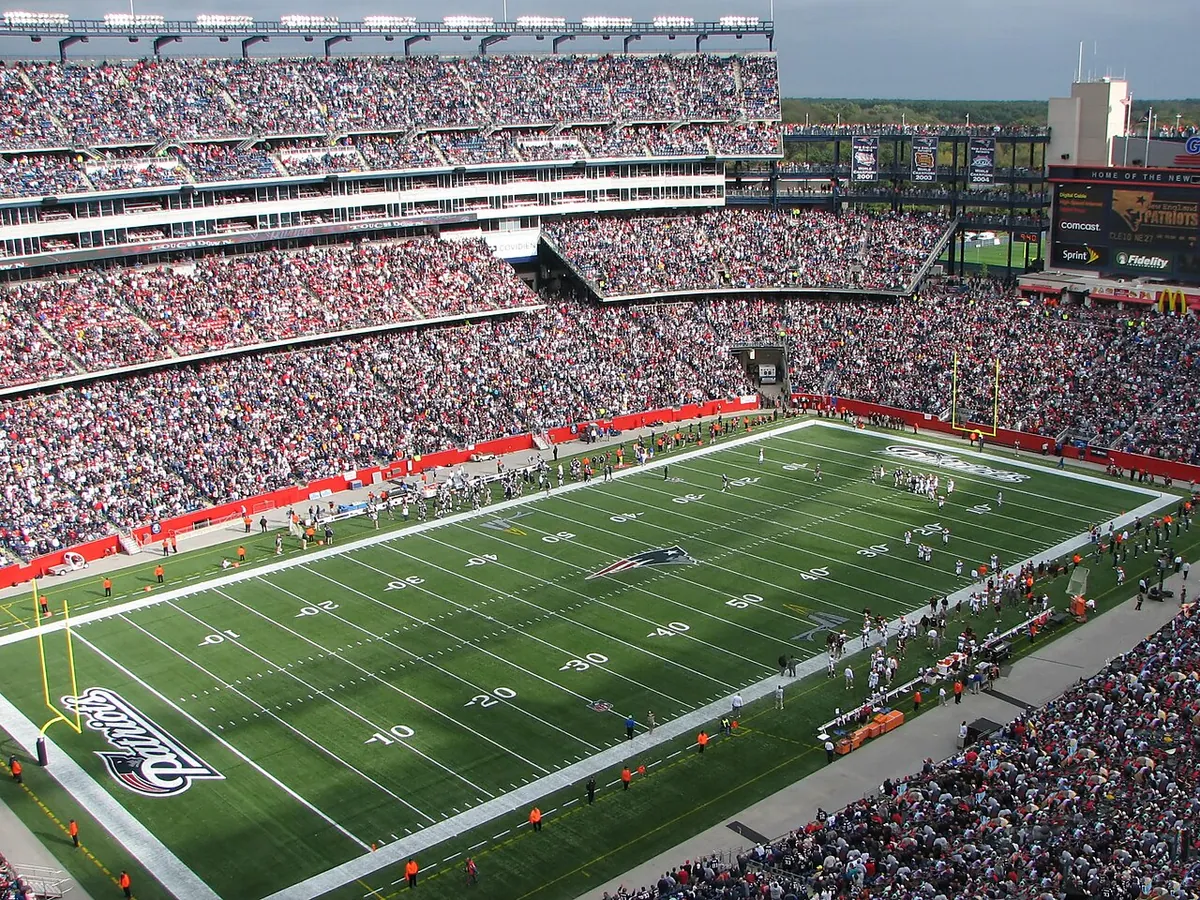
The Patriots employ several well-known songs as fight songs and stadium anthems to energize the crowd during games. The primary tracks include "Crazy Train" by Ozzy Osbourne, "This Is Our House" by Bon Jovi, and "I'm Shipping Up to Boston" by the Dropkick Murphys. "I'm Shipping Up to Boston" holds particular regional significance due to the Dropkick Murphys' strong Boston roots and the song's use in popular films, making it a staple during key moments at Gillette Stadium. These songs are strategically played to celebrate touchdowns, defensive stops, and other important plays.
The overall game day production is designed to maintain high energy from pre-game through the final whistle. This includes coordinated video presentations on the stadium scoreboards, light shows, and the constant activity of the cheerleading squad and mascot. Pat Patriot interacts with fans along the sidelines, in the stands, and in concourse areas, while the cheerleaders perform choreographed routines during timeouts and breaks in the action. The combination of audio, visual, and live performance elements works to keep the audience engaged. The tradition of fight songs complements the team's visual history of logos and uniforms. The team's look has evolved from the detailed Pat Patriot logo to the modern "Flying Elvis" design introduced in 1993, but the auditory identity has remained consistent with these anthemic rock and folk-punk tracks. This blend of old and new creates a unique and layered game day experience that is distinctly associated with the New England Patriots brand.
Evolution of Team Identity and Mascot
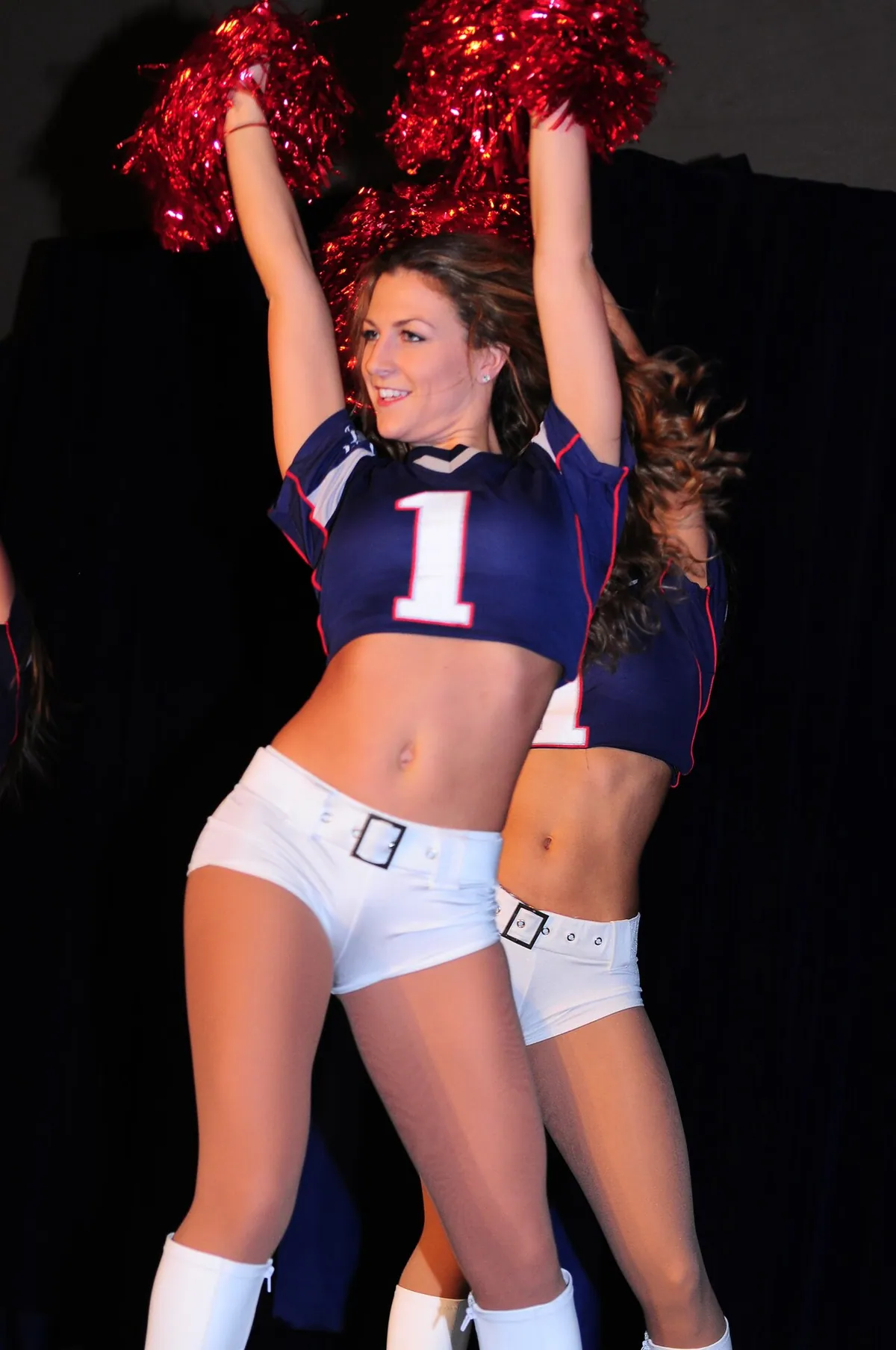
The visual identity of the Patriots has undergone several significant changes since the team's founding, directly impacting mascot and fan symbolism. The original 1960 logo was a simple blue tri-corner hat submitted by a fan. By 1961, this was replaced by Phil Bissell's more elaborate Pat Patriot cartoon, which showed a minuteman preparing to snap a football. During the 1976 season, the team briefly experimented with a "Super Patriot" mascot inspired by the Superman movie craze, but it was discontinued after a failed motorcycle stunt.
A major shift occurred in 1993 when new ownership introduced a streamlined logo often called "Flying Elvis" due to its resemblance to Elvis Presley's hairstyle. This modernized Patriot head replaced the classic Pat Patriot logo on helmets and marked a new era. However, the live mascot, Pat Patriot, was retained and continued in his role based on the original cartoon design. Thus, the franchise maintained a link to its history through the live mascot while embracing a sleeker brand identity for its merchandise and uniforms.
| Era | Primary Logo |
|---|---|
| 1960 | Tri-corner Hat |
| 1961 to 1992 | Pat Patriot Cartoon |
| 1993-Present | "Flying Elvis" Patriot Head |
The decision to keep the live Pat Patriot mascot has proven significant for fan connection. He serves as a walking, interactive version of the team's original identity. His presence at games, parades, and hundreds of community events each year ensures that the classic Patriot symbol remains active and visible. This duality allows the franchise to market a modern, global brand symbolized by the Flying Elvis logo while simultaneously honoring its regional heritage through the enduring figure of Pat Patriot.
Community Role and Appearances
The Patriots organization extends its game day spirit into the community year-round through its mascot and cheerleading programs. Pat Patriot's schedule is packed with appearances at schools, hospitals, charity fundraisers, and corporate events across New England. These visits are designed to promote the team, encourage youth participation in sports, and fulfill the organization's community outreach objectives. The New England Patriots Cheerleaders similarly engage in extensive community work beyond their stadium performances. Their mentoring of the Junior Patriots Cheerleaders is a key program, providing guidance and coaching to young aspiring cheerleaders. The squad's international trip to China in 2008 to train Olympic dancers exemplifies the broader ambassadorial role the organization envisions. Both the mascot and cheerleaders are trained not only in performance but also in fan interaction, ensuring they positively represent the team brand in every setting.
These community functions are considered a vital part of the job for both the mascot and cheerleaders. The estimated salary for the person portraying Pat Patriot, around $65,000 annually, compensates for this wide range of duties, from high-energy stadium performances to more intimate community visits. The cheerleaders, while not having publicly disclosed salaries, undertake a similar blend of high-profile performance and grassroots community engagement. This focus helps maintain the bond between the team and its fans.
Video
FAQ
Who is the New England Patriots mascot?
The official mascot of the New England Patriots is Pat Patriot. He is a live-action representation of a Revolutionary War minuteman, based on the cartoon logo created by artist Phil Bissell in 1960. The live mascot was developed in the early 1990s and first appeared prominently at the 1995 Pro Bowl. Pat Patriot wears a Patriots uniform and a tricorn hat, entertaining fans at games and making numerous community appearances throughout New England.
What is the history of the Patriots cheerleaders?
The New England Patriots Cheerleaders were first established in 1971. The squad, which had 34 members as of 2018, performs at all home games and participates in many community and promotional events. Auditions are held at Gillette Stadium. The cheerleaders also run a Junior Patriots Cheerleaders program for girls aged 7 to 17. In 2008, the squad traveled to China to help train dancers for the Summer Olympics.
What are the Patriots' fight songs?
The New England Patriots use several songs as fight songs and stadium anthems during games. The primary ones are "Crazy Train" by Ozzy Osbourne, "This Is Our House" by Bon Jovi, and "I'm Shipping Up to Boston" by the Dropkick Murphys. "I'm Shipping Up to Boston" is especially popular due to the band's local connection and the song's association with Boston culture. These songs are played to energize the crowd and celebrate key moments during Patriots games at Gillette Stadium.
What is Patriots Nation?
The widespread fan base of the New England Patriots is collectively known by a term reflecting the team's regional support. The term reflects the team's regional support across New England. The franchise has sold out every home game since 1994, demonstrating strong loyalty. Fan traditions are connected to the team's history, including the preservation of the classic Pat Patriot logo through a fan vote in 1979.
How is the Patriots mascot chosen?
The selection process for the person inside the Pat Patriot costume is kept private to maintain the character's mystique. Candidates are typically chosen based on athletic ability, performance skills, and an outgoing personality suitable for entertaining large crowds. Those selected undergo auditions and rigorous training to ensure they can perform stunts, dance, and interact safely with fans while remaining anonymous. The individual's identity is a closely guarded secret to preserve the illusion that Pat Patriot is a single, enduring character.
What is the estimated annual salary for the Patriots mascot, Pat Patriot?
The estimated annual salary for Pat Patriot is around $65,000 per year. This figure places him among the highest-paid mascots in the NFL, with most other league mascots earning between $50,000 and $60,000 annually. His salary reflects the importance of his role in generating fan engagement and representing the team's brand at games and community events. While modest compared to player salaries, it acknowledges the mascot's hard work in entertaining fans and acting as a team ambassador.
Sources
- New England Patriots Cheerleaders (Wikipedia) Wikipedia
- New England Patriots (Wikipedia) Wikipedia
- Who is the Patriots mascot and how much does he make? marca.com
- SURVEY: Patriots mascot Pat Patriot ranked among NFL's most loved, and.. Yahoo Sports
- Who Is the New England Patriots Mascot? Full History, Role, Salary & More About Pat Patriot essentiallysports.com
- The Evolution of the Patriots Logo and Uniform patriots.com
- From the Flying Elvis to the Classic Patriot, The Story of the New England Patriots Logo sportslogohistory.com
- nflverse game, roster and draft data nflverse (CC BY 4.0)