Major Tuddy directly honors the team's noted Hogs offensive lines of the 1980s and 1990s and the fan group known as the Hogettes. The mascot's creation was a fan-driven process, with supporters voting on the final design. Beyond the mascot, the Commanders' game day atmosphere is defined by the team's original fight song, Hail to the Commanders, a marching band, cheerleaders, and traditions that connect the team's past and present. The team's fight song dates to 1937, and the hog symbol originated with fans decades before becoming the official mascot.
Major Tuddy: The Hog Mascot
The mascot's backstory, as promoted by the team, states that his love for Washington football began when he was a piglet watching the Hogs offensive lines dominate in the 1980s and 1990s. The decision to select a hog as the mascot was the result of a deliberate, fan-inclusive process conducted by the team's creative and brand strategy teams. The team whittled down several mascot theme ideas to five options, which were then presented to fans for feedback and voting to narrow the field to two finalists. The hog theme emerged as the favorite among the fanbase, leading to its selection. Once the hog was chosen, designers worked through numerous visual iterations, debating details like the presence of teeth, facial expressions, and body proportions before settling on the final design of Major Tuddy. The mascot's name is Major Tuddy. Major Tuddy is the mascot of the Washington Commanders.
Origins: The Hogs and The Hogettes
The hog's association with Washington football is a decades-old tradition born from fan culture and team success. The origin stems from the team's dominant offensive lines of the 1980s and early 1990s, which were nicknamed The Hogs by then-offensive line coach Joe Bugel. This unit was instrumental in the franchise's Super Bowl victories in the 1982, 1987, and 1991 seasons. In homage to The Hogs, a dedicated group of fans formed the Hogettes in 1983. The Hogettes were a group of male fans who attended games wearing women's dresses, elaborate garden party hats, and distinctive pig snout masks. They became a regular fixture at home games for nearly 30 years, officially retiring in 2012. Beyond their game day appearances, the Hogettes were noted for their extensive charitable work throughout the Washington D.C., Maryland, and Virginia community. Their enduring presence established the hog as the unofficial mascot and symbol of the team long before the Commanders era. The legacy of The Hogs and the Hogettes provided a clear historical path for the official mascot selection, ensuring Major Tuddy was a tribute to fan heritage.
The influence of the Hogettes extended beyond the stadium. Their charitable efforts became a significant part of their identity, supporting various causes across the region known as the DMV. The group's retirement in 2012 left a void in the visual fan culture that the introduction of Major Tuddy a decade later helped to fill. The mascot reveal film highlighted both the Hogettes and the Hogs, incorporating archival footage and audio clips. A historical interview with Coach Joe Bugel recalled how he coined the name The Hogs. The fan-driven history of the hog symbol made it a natural and widely accepted choice when the new Commanders brand sought an authentic link to its past. The process demonstrated how fan-created traditions can eventually become official parts of a team's identity.
Fan Traditions and Cultural Elements
Washington Commanders fan culture is built on several enduring traditions that have survived name changes and roster transitions. The most audible tradition is the fight song, Hail to the Commanders, which has been played after home touchdowns since 1937. The live marching band that performs the song is a rarity in the modern NFL and provides a classic game day soundtrack. Another major tradition revolves around the rivalry with the Dallas Cowboys, which generates specific chants and intense fan engagement during those matchups. Tailgating in the parking lots of Northwest Stadium is a widespread pre-game ritual where fans gather to socialize and prepare for the game. The team's on-field history, including its championship eras, continues to inform fan identity and expectations.
- The Hogettes fan group dressed in dresses and pig snouts from 1983 until their retirement in 2012.
- The team's offensive line was nicknamed The Hogs during the 1980s and early 1990s championship runs.
- The franchise won Super Bowls following the 1982, 1987, and 1991 seasons.
- The team's regular season record from the 1999 season through 2025 was 185-250-2.
- The team's playoff record from 1999 through 2025 was 4 wins and 7 losses in 11 games.
- The 2026 season record through November 27, 2026, was 4 wins, 5 losses, and 1 tie.
The transition from the Redskins to the Washington Football Team in 2020 and then to the Commanders in 2022 required fans to adapt while holding onto these core traditions. The fan-inclusive process for selecting the hog mascot was a direct effort by the new ownership to acknowledge this community voice. Game day atmosphere now blends these historical elements with new features like the Major Tuddy mascot, creating an experience that references the past while building new rituals for future generations of fans. The team's performance from the 1999 season through 2025, with a regular season record of 185-250-2, has tested fan loyalty, making the consistency of these traditions even more important for maintaining community.
Stadium History and Game Day Atmosphere
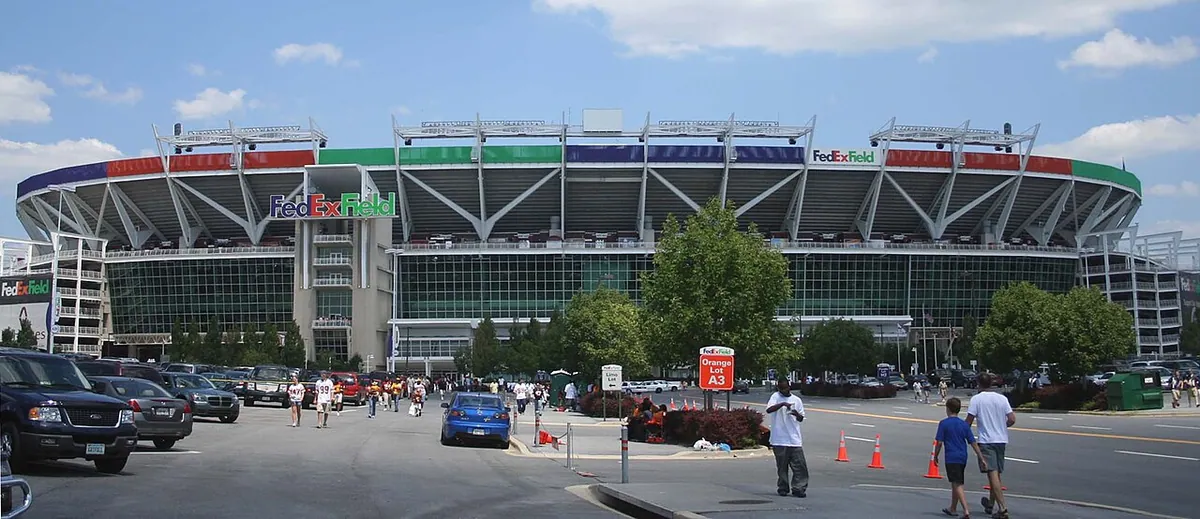
The Commanders' game day experience is currently centered at Northwest Stadium in Landover, Maryland. The stadium has been the team's home since the 2000 season, following their move from Robert F. Kennedy Memorial Stadium. The sequence of events on game day typically begins with tailgating outside the stadium, followed by fan entry and pre-game performances by the cheerleaders and the marching band. Key moments include the team's introduction, the national anthem, and the playing of Hail to the Commanders after Washington touchdowns. The scoreboard and video systems present highlights, fan reactions, and promotional content throughout the game. The atmosphere intensifies during crucial defensive stands or offensive drives, with crowd noise being a factor opponents must contend with. The franchise is scheduled to move to the New Stadium at RFK Campus in 2030, which will open a new chapter for the game day environment. The core traditions of the fight song, the band, and fan rituals are expected to continue in the new venue, providing continuity for supporters.
Historical Context of the Franchise Rebrand
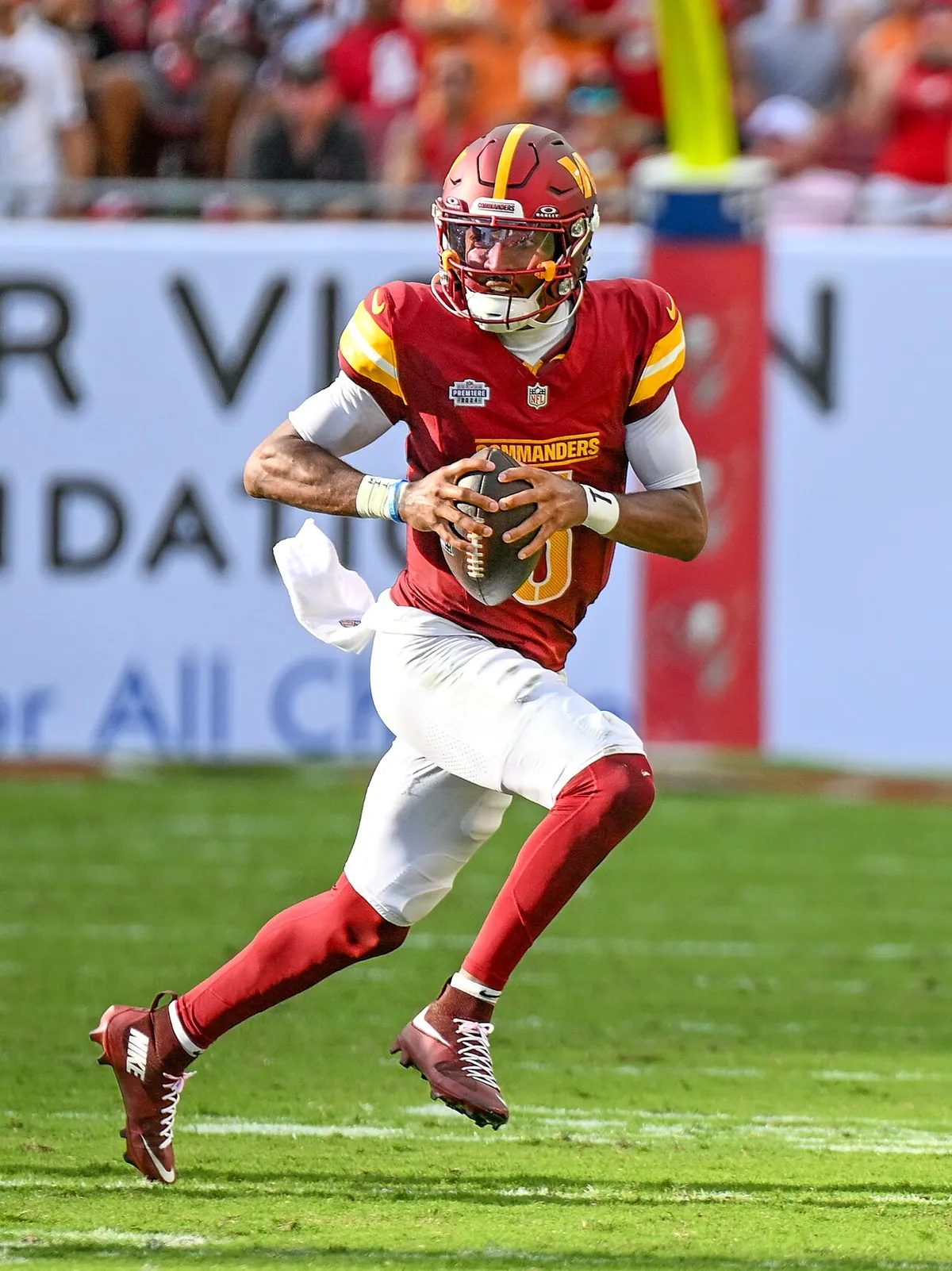
The current Commanders fan identity is deeply informed by the franchise's history and its recent rebranding. The team was founded in 1932 as the Boston Braves, became the Boston Redskins in 1933, and moved to Washington, D.C., as the Redskins in 1937. The Redskins name was used for over 80 years before being retired in 2020. This period of transition required fans to adapt to new names and symbols while holding onto cherished traditions like the fight song and the hog imagery. The selection of a hog mascot was a strategic move to bridge the old and the new, directly referencing the beloved Hogs era of the 1980s and 1990s Super Bowl teams. This connection provides a sense of continuity for long-time fans who supported the team under its previous names. The fan-driven process for choosing Major Tuddy was an effort by the new ownership group, led by Josh Harris, to acknowledge and incorporate the community's voice into the team's identity.
The franchise's historical successes are a key part of its fan culture. The Commanders were one of the first NFL teams to adopt an original fight song for game day. The team won NFL championships in 1937 and 1942 in addition to its three Super Bowl victories. The team has 14 NFC East division titles and 26 total playoff appearances in its history. The period following the last Super Bowl win in 1991 has seen limited playoff success, with just five playoff wins and four division titles earned through the 2025 season. This historical context of early success and a more recent period of struggle shapes the passion and expectations of the Commanders fanbase, making the traditions and symbols like Major Tuddy important touchstones of a proud history.
Key Figures in Commanders History
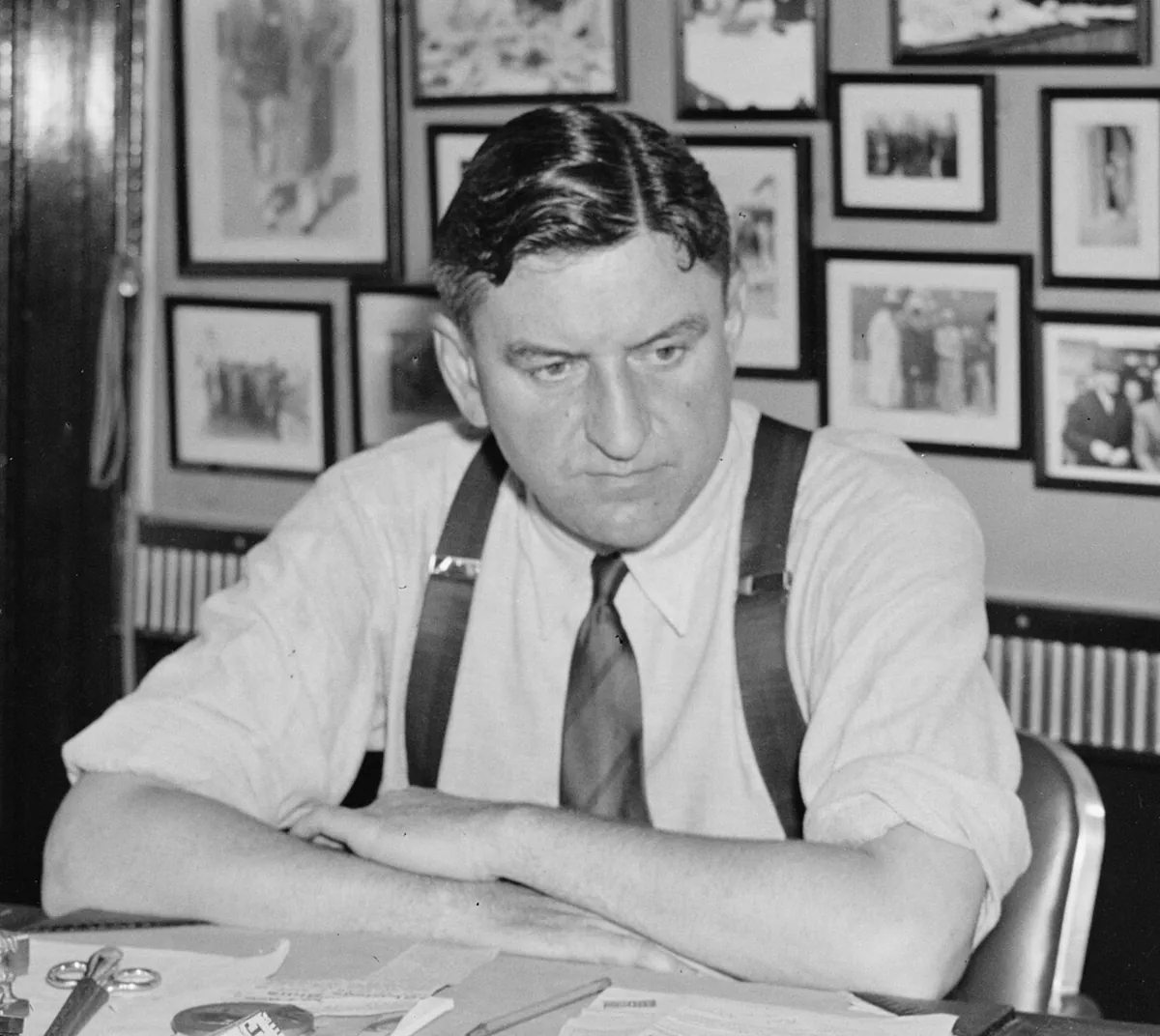
The history of the Washington Commanders franchise involves numerous influential figures who shaped the team on the field and in the front office. The team's origins trace back to founder George Preston Marshall, who established the Boston Braves in 1932. The period of greatest on-field success in the modern era was overseen by owner Jack Kent Cooke and head coach Joe Gibbs, who led the team to three Super Bowl titles. The Hogs offensive line was coached by Joe Bugel, who gave the unit its famous nickname. In the fan sphere, Michael Torbert founded the Hogettes in 1983.
- George Preston Marshall: Founded the franchise as the Boston Braves in 1932.
- Joe Gibbs: Head coach for three Super Bowl victories (XVII, XXII, XXVI).
- Jack Kent Cooke: Owner during the Super Bowl championship era.
- Joe Bugel: Offensive line coach who nicknamed the unit The Hogs.
- The Hogs: The offensive line unit of the 1980s/90s featuring players like Jeff Bostic, Joe Jacoby, and Russ Grimm.
- Michael Torbert: Founder of the Hogettes fan group in 1983.
- Dan Quinn: Head coach of the Commanders as of the 2026 season.
The Mascot Selection Process
The creation of Major Tuddy was a meticulously planned project that placed fan sentiment at the center of the decision-making. The Washington Commanders creative team engaged with fans over several months to gather opinions. This interaction happened both on social media and in person at FedExField. The team initially developed a range of mascot theme ideas before presenting five final options to the fanbase for feedback. Fans voted on these options, which helped the team narrow the choices down to two leading contenders. The hog theme won this final vote decisively. Once the hog was confirmed as the direction, the Commanders collaborated with a mascot partner to develop visual concepts. The design phase involved debating specific character traits, such as whether the hog should have visible teeth, what its facial expression should convey, and what its body shape would be. The final design of Major Tuddy, with his helmet and uniform, was the product of this iterative process.
Franchise Timeline and Name Evolution
The Washington Commanders have undergone several significant identity changes since the franchise's founding nearly a century ago. Each name change corresponded with a new location or a major shift in societal awareness. The team began in Boston before moving to the nation's capital, where it developed its most enduring traditions. The recent rebrand to the Commanders concluded a two-year period where the team used a generic placeholder name. This timeline shows the progression of the team's identity and key associated events.
- 1933: Team renamed the Boston Redskins.
- 1937: Team moves to Washington, D.C., becoming the Washington Redskins. The fight song Hail to the Commanders debuts.
- 1980s-1990s: The Hogs offensive line leads the team to three Super Bowl wins (XVII, XXII, XXVI).
- 1983: The Hogettes fan group is founded.
- 2020: The Redskins name is retired. Team plays as the Washington Football Team.
- 2022: Team rebrands as the Washington Commanders and introduces mascot Major Tuddy.
- 2030: Planned opening of the New Stadium at RFK Campus.
Video
FAQ
What is the Washington Commanders mascot?
The Washington Commanders mascot is Major Tuddy, an anthropomorphic hog who wears a Commanders uniform and a combat helmet. Major Tuddy was introduced in 2022 as the franchise's first official mascot. His design and character pay direct homage to the team's noted offensive lines of the 1980s and 1990s, known as The Hogs. The mascot is active at home games and in the community, representing the team's history and fan culture.
Why is the Commanders mascot a pig?
The Commanders mascot is a pig because it honors the team's historic offensive line, nicknamed The Hogs, which was central to the franchise's Super Bowl victories in the 1980s and early 1990s. The hog symbolism was further popularized by a famous fan group called the Hogettes, who wore pig snouts and dresses to games for nearly 30 years. When the team sought a new mascot after rebranding to the Commanders, fans voted overwhelmingly for the hog theme due to this deep historical connection. Thus, Major Tuddy serves as a direct link to a celebrated era in team history and its most famous fan tradition.
What is the Washington Commanders fight song?
The Washington Commanders fight song is Hail to the Commanders. It is one of the original fight songs in the NFL, first performed in 1937. The song is played by the Commanders' marching band after every touchdown scored by the team during home games. This tradition has continued uninterrupted through the franchise's history under various names, including the Redskins and the Washington Football Team. The fight song is a core element of the game day experience and a cherished tradition for generations of fans.
What were the Hogettes?
The Hogettes were a group of dedicated Washington Commanders fans, originally supporting the team when it was known as the Redskins. Founded in 1983 by Michael Torbert, the group consisted of men who attended games wearing women's dresses, elaborate hats, and pig snout masks to honor the Hogs offensive line. The Hogettes were a game day fixture for nearly 30 years, officially retiring in 2012. Beyond their distinctive appearances, they were known for their extensive charitable work in the Washington D.C., Maryland, and Virginia community. Their legacy directly inspired the creation of the official mascot, Major Tuddy.
Where do the Commanders play their home games?
As of the 2026 season, the Washington Commanders play their home games at Northwest Stadium in Landover, Maryland. The team has played at this stadium location, previously known as FedExField, since the 2000 season. The franchise has announced plans to move to a new stadium, the New Stadium at RFK Campus, with an expected opening in 2030. The team's headquarters and training facility are located in Ashburn, Virginia.
Who were the Hogettes and what was their connection to the Washington Commanders?
The Hogettes were a dedicated group of Washington Redskins fans who became famous for wearing women's dresses, garden party hats, and pig snout masks to games. This fan group was founded in 1983 and became a regular fixture at games for nearly 30 years, showing their support for the team's offensive line known as 'The Hogs'. The Hogettes also started successful charities and gave back to the community in the Washington D.C., Maryland, and Virginia area. They officially retired in 2012, but their legacy directly influenced the team's later adoption of a hog as its official mascot.
Sources
- Washington Commanders (Wikipedia) Wikipedia
- For the Fans, By the Fans: Washington Commanders Mascot Major Tuddy riot.nyc
- nflverse game, roster and draft data nflverse (CC BY 4.0)