Mike
Shanahan
Head coaching record
Biography
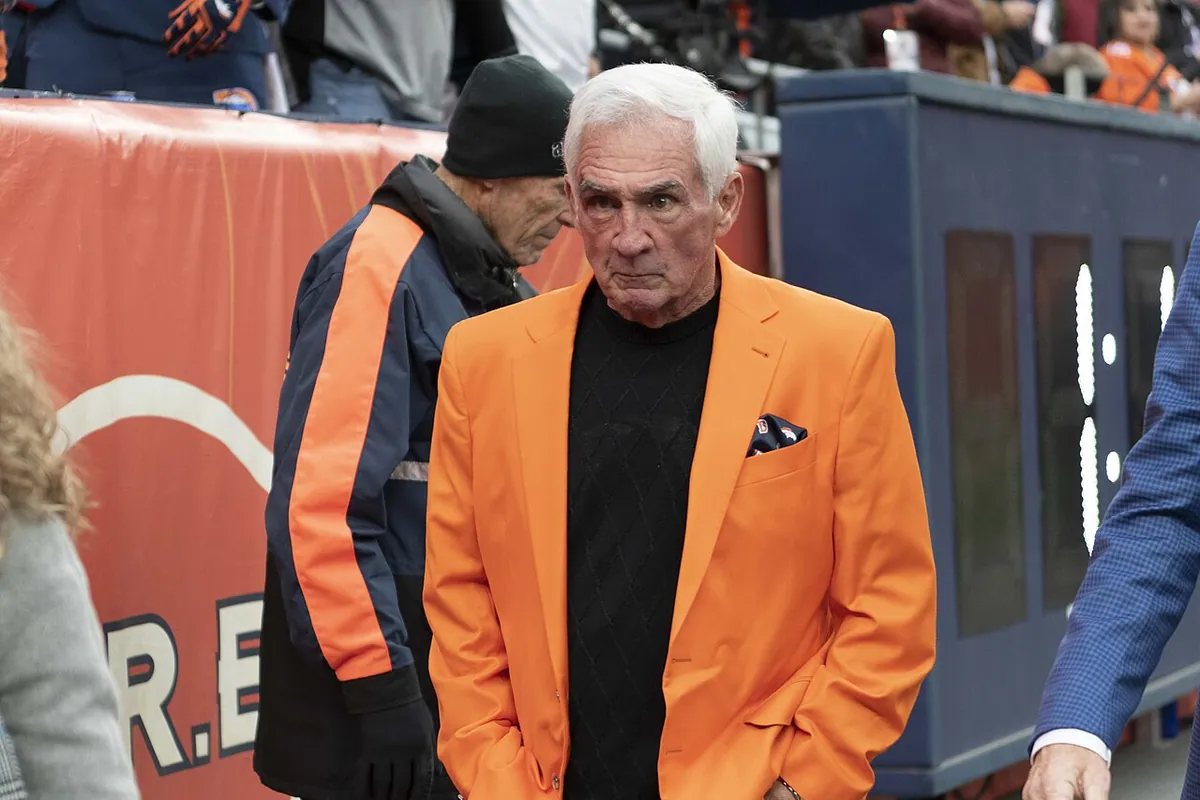
He coached in the NFL for 29 seasons, serving as a head coach for 20 years with the Los Angeles Raiders, Denver Broncos, and Washington Redskins. Shanahan led the Broncos to consecutive Super Bowl championships following the 1997 and 1998 seasons, which were the first two Super Bowl titles in franchise history. His career head coaching record is 170 wins and 138 losses in the regular season, with an 8-6 postseason record. Mike Shanahan was born on August 24, 1952, in Oak Park, Illinois. He played high school football at East Leyden High School in Franklin Park, Illinois, where he was a wishbone quarterback for coach Jack Leese. On September 20, 1969, Shanahan rushed for 260 yards on 15 carries in a 32-8 victory over Hinsdale South, setting a school single-game rushing record that was later broken. He graduated from high school in 1970 and attended Eastern Illinois University, where he continued his playing career as a quarterback and joined the Delta Sigma Phi fraternity. A priest was summoned to administer last rites, but Shanahan recovered from the injury and moved into coaching.
College Coaching Career
Mike Shanahan began his coaching career as a graduate assistant at the University of Oklahoma under Barry Switzer in 1975. The 1975 Oklahoma team finished with an 11-1 record, won the Big 8 Championship and the Orange Bowl, and claimed the national championship. In 1977, Shanahan took the offensive backfield coach position at Northern Arizona University, and the team posted a 9-2 record and made the NCAA Division II playoffs. He returned to Eastern Illinois as offensive coordinator in 1978 and helped the team win the Division II national championship. Shanahan was the offensive coordinator at the University of Minnesota for the 1979 season. He then held the same role at the University of Florida from 1980 through 1983, working under head coach Charley Pell. These roles established his offensive background before he entered the NFL.
NFL Assistant Coaching Stints
Shanahan's NFL career began in 1984 when he was hired by the Denver Broncos as a wide receivers coach under head coach Dan Reeves. After the 1987 season, his offensive work attracted the attention of Los Angeles Raiders owner Al Davis, who hired him as head coach. Following his firing from the Raiders early in the 1989 season, Shanahan rejoined the Broncos as quarterbacks coach on October 16, 1989. Dan Reeves fired him after the 1991 season amidst a feud between Reeves and Elway. Shanahan then served as offensive coordinator for the San Francisco 49ers from 1992 to 1994 under George Seifert. The 49ers won Super Bowl XXIX after the 1994 season, with Shanahan's offense helping quarterback Steve Young win MVP honors.
Head Coaching Tenure with the Los Angeles Raiders
Shanahan was hired as head coach of the Los Angeles Raiders in 1988 to replace Tom Flores. He was the first head coach the Raiders hired from outside their organization in 23 years. His tenure was marked by immediate conflict with micromanaging owner Al Davis and unpopularity with players. The Raiders finished the 1988 season with a 7-9 record, losing four of their last five games. Tensions increased with front office interference in coaching staff decisions. After a 1-3 start to the 1989 season, Shanahan was fired on October 4, 1989. He was replaced by assistant coach Art Shell, a Davis loyalist.
Head Coaching Tenure with the Denver Broncos
Over 14 seasons, he compiled a regular season record of 138 wins and 86 losses, with an 8-5 playoff record. He led the Broncos to Super Bowl victories in the 1997 and 1998 seasons, defeating the Green Bay Packers and Atlanta Falcons respectively. Between 1996 and 1998, the Broncos set an NFL record with 46 victories over a three-year span, going 46-10. The 1998 team started 13-0 and finished 14-2. Shanahan passed Dan Reeves to become the winningest coach in franchise history during the 2005 season. His final playoff victory came in the 2005 AFC Divisional Round against the New England Patriots. The Broncos fired Shanahan on December 30, 2008, after the team missed the playoffs for a third consecutive year despite an 8-5 record in Week 14.
From the 1999 season through the 2008 season, Shanahan's Broncos teams had a regular season record of 91-69 and a playoff record of 1-4. Key season records during this period included a 13-3 mark in 2005 and a 10-6 record in both 2003 and 2004. The team lost in the AFC Championship Game on January 22, 2006, to the Pittsburgh Steelers by a score of 34-17. His offenses frequently produced 1,000-yard rushers from players like Terrell Davis, Mike Anderson, Olandis Gary, Clinton Portis, Reuben Droughns, and Tatum Bell, many of whom were not high draft picks.
| Season | Record | Playoff Result |
|---|---|---|
| 1995 | 8-8 | No Playoffs |
| 1996 | 13-3 | Lost Divisional Round |
| 1997 | 12-4 | Won Super Bowl XXXII |
| 1998 | 14-2 | Won Super Bowl XXXIII |
| 1999 | 6-10 | No Playoffs |
| 2000 | 11-5 | Lost Wild Card Round |
| 2001 | 8-8 | No Playoffs |
| 2002 | 9-7 | No Playoffs |
| 2003 | 10-6 | Lost Wild Card Round |
| 2004 | 10-6 | Lost Wild Card Round |
| 2005 | 13-3 | Lost AFC Championship |
| 2006 | 9-7 | No Playoffs |
| 2007 | 7-9 | No Playoffs |
| 2008 | 8-8 | No Playoffs |
Head Coaching Tenure with the Washington Redskins
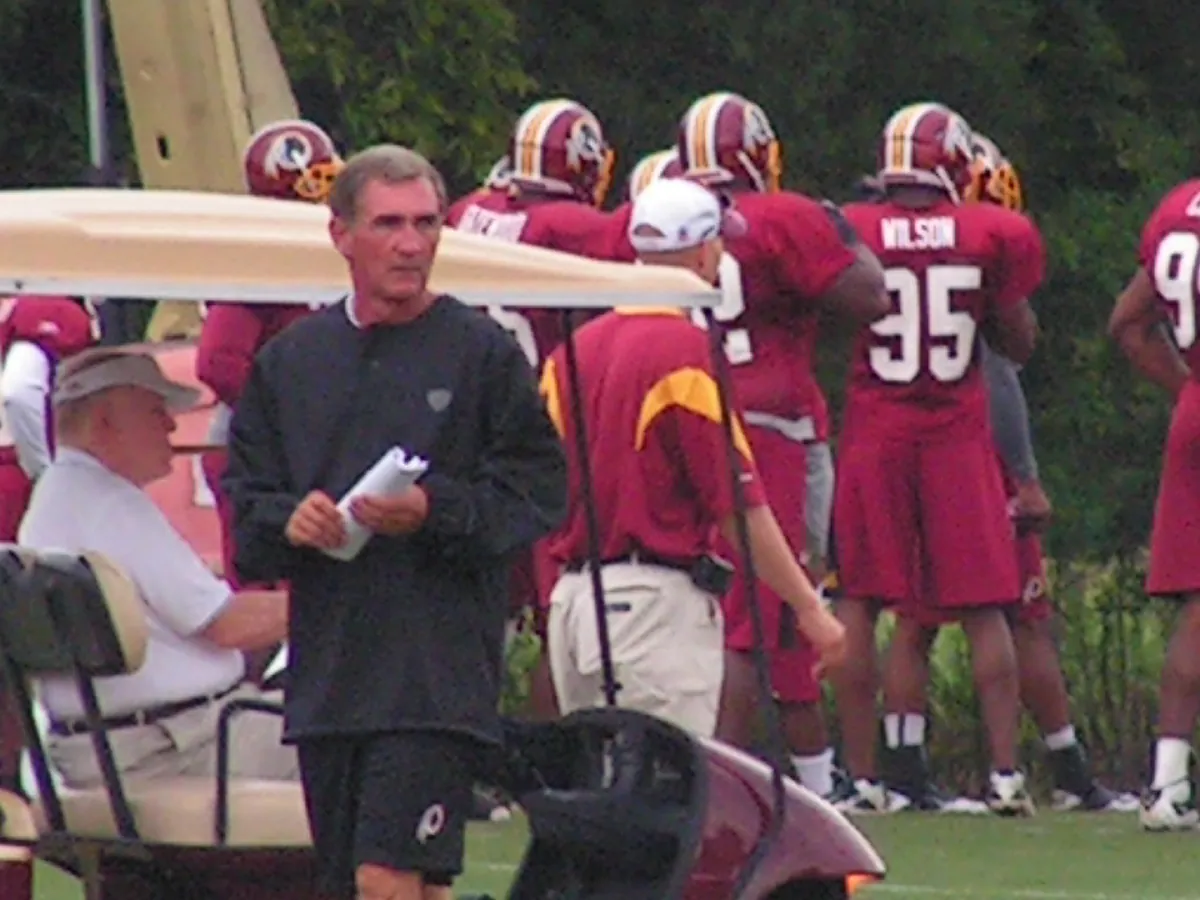
Shanahan was hired as head coach and vice president of football operations for the Washington Redskins on January 5, 2010. He signed a five-year, $35 million contract and was given final say on football matters, working alongside general manager Bruce Allen. He hired his son, Kyle Shanahan, as offensive coordinator, and other assistants included Sean McVay and Matt LaFleur. In four seasons, his Redskins teams had a regular season record of 24-40 and an 0-1 playoff record. The team finished last in the NFC East in 2010, 2011, and 2013. His best season was 2012, when Washington went 10-6, won the NFC East with a seven-game winning streak, and lost in the Wild Card round to the Seattle Seahawks 24-14. That season featured 6th-round draft pick Alfred Morris rushing for over 1,000 yards.
The 2012 season was marred by controversy over the handling of quarterback Robert Griffin III's knee injury. Griffin initially injured his knee on December 9, 2012, but returned to play. In the playoff game, he re-injured the knee, tearing his LCL and damaging his ACL. Shanahan was criticized for his decisions regarding Griffin's availability. The 2013 season saw continued struggles, and Shanahan made Griffin inactive for the final three games. The Redskins fired Shanahan on December 30, 2013, after a 3-13 season. From the 2010 season through the 2013 season, Shanahan's Redskins teams had a regular season record of 24-40.
Coaching Philosophy and Offensive System
Mike Shanahan's offensive scheme was rooted in the West Coast offense he learned under George Seifert and Bill Walsh. He was known for scripting the first 15 offensive plays of a game. His system emphasized zone running plays and play-action passes, often utilizing smaller, powerful offensive lines. A consistent feature of his teams was the success of running backs who were not high draft picks. He developed Terrell Davis, a 6th-round pick, into a league MVP, and also produced 1,000-yard seasons from Mike Anderson, Olandis Gary, Clinton Portis, Reuben Droughns, and Tatum Bell. The 1998 Broncos offense under his direction set an NFL record for points scored in the first quarter during a single season. This system produced two Super Bowl championships and made the Broncos one of the most potent offenses of the late 1990s.
Accomplishments and Records
Mike Shanahan's career is marked by several significant accomplishments and records. He is one of only seven coaches to win back-to-back Super Bowls, joining Vince Lombardi, Don Shula, Chuck Noll, Jimmy Johnson, Bill Belichick, and Andy Reid. With the Denver Broncos, he posted the most wins in NFL history during a three-year period at the time, going 46-10 from 1996 to 1998. He also won the most postseason games over a two-year period, with seven wins in 1997 and 1998. Shanahan has the highest winning percentage (.616) and the most wins (138) in Denver Broncos history. He has been part of teams that played in 10 conference championship games and 5 Super Bowls as either a head coach or assistant.
- Super Bowl Champion: XXXII (1997), XXXIII (1998).
- NFL Record: 46 wins from 1996 to 1998.
- Franchise Leader: 138 wins with Denver Broncos.
- Postseason Record: 8-6 (.571).
- Coaching Tree: Includes multiple Super Bowl-winning head coaches.
Coaching Tree and Legacy
Mike Shanahan's coaching tree is extensive and influential, stemming from his work under Dan Reeves and George Seifert. His main influence was Dan Reeves, under whom he served for 7 seasons in various offensive roles. His coaching tree has combined for a regular season record of 470-358-1 and a playoff record of 29-25. The tree has produced two Super Bowl championships, including one won by Sean McVay with the Los Angeles Rams. Notable NFL head coaches from his tree include his son Kyle Shanahan, Mike McDaniel, Matt LaFleur, and Anthony Lynn. Former players like John Elway and Rick Smith also became general managers, extending his influence into front offices.
Post-NFL Career and Potential Returns
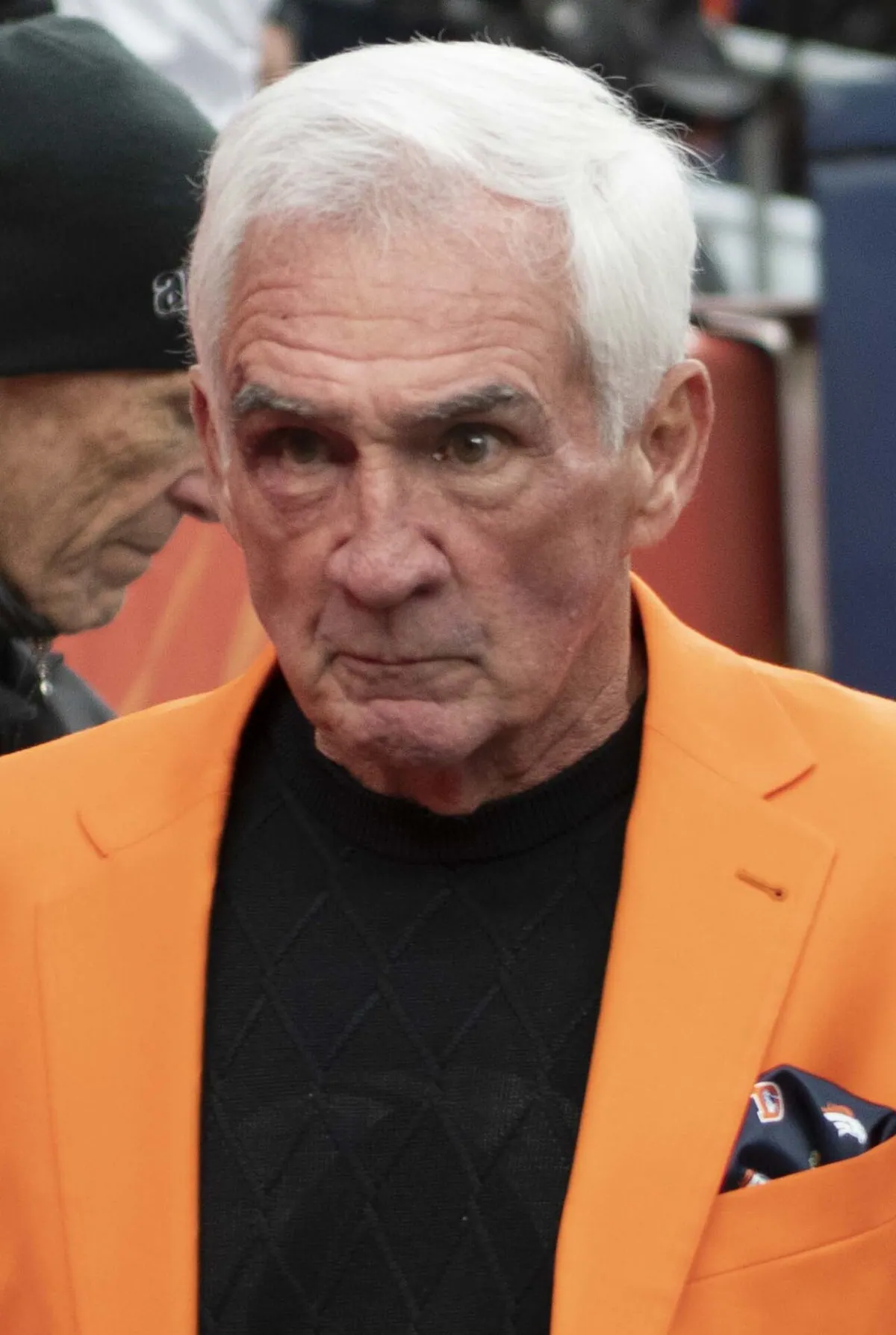
Mike Shanahan has not held a coaching position since his dismissal from the Washington Redskins after the 2013 season. He has interviewed for several NFL head coaching vacancies in subsequent years. In 2015, he interviewed with the Buffalo Bills, Chicago Bears, Oakland Raiders, and San Francisco 49ers. In 2016, he was nearly hired by the Miami Dolphins before they hired Adam Gase. On August 17, 2019, it was revealed that the Denver Broncos nearly re-hired him as head coach in 2018 before deciding to retain Vance Joseph. In recognition of his career with the Broncos, Shanahan was inducted into the team's Ring of Fame. He remains out of coaching.
Controversies and Personal Life
His feud with Raiders owner Al Davis included a 1994 incident where, as 49ers offensive coordinator, he had quarterback Elvis Grbac throw a football at Davis's head, which Davis dodged. In Washington, his handling of quarterback Robert Griffin III's knee injuries during the 2012 season and playoffs drew significant criticism from media and fans. Decisions to play Griffin after an initial injury in December 2012 and to keep him in the Wild Card game after a re-injury were widely scrutinized and led to reports Shanahan considered resigning after the 2012 season. Shanahan is a devout Roman Catholic. He is married to Peggy Shanahan, and they have two children: a son, Kyle, who is the head coach of the San Francisco 49ers, and a daughter, Krystal. He authored a motivational book about leadership titled 'Think Like a Champion' in 1999 with writer Adam Schefter.
FAQ
What is Mike Shanahan's overall NFL head coaching record?
Mike Shanahan's career head coaching record is 170 wins and 138 losses in the regular season, for a .552 winning percentage. His postseason record is 8 wins and 6 losses, giving him an overall career record of 178 wins and 144 losses. He achieved this record over 20 seasons with the Los Angeles Raiders, Denver Broncos, and Washington Redskins. His most successful stint was with the Denver Broncos, where he went 138-86 in the regular season and 8-5 in the playoffs.
How many Super Bowls did Mike Shanahan win and with which teams?
Mike Shanahan won two Super Bowls, both as head coach of the Denver Broncos. He led the team to victory in Super Bowl XXXII following the 1997 season and in Super Bowl XXXIII following the 1998 season. These were the first two Super Bowl championships in Denver Broncos franchise history. As an assistant coach, he also won Super Bowl XXIX as the offensive coordinator for the San Francisco 49ers after the 1994 season.
Why was Mike Shanahan fired by the Denver Broncos in 2008?
The Denver Broncos fired Mike Shanahan on December 30, 2008, after the team missed the playoffs for a third consecutive season. The firing followed a late-season collapse where the Broncos held an 8-5 record and a three-game lead in the AFC West with three games remaining. The team lost its final three games to finish 8-8, while the San Diego Chargers also finished 8-8 and won the division on a tiebreaker. This marked the end of Shanahan's 14-year tenure with the Broncos.
What is Mike Shanahan doing now in 2026?
He is not holding any coaching position. He has not coached in the NFL since being fired by the Washington Redskins after the 2013 season. He has interviewed for several head coaching jobs since then, including with the Broncos in 2018, but has not returned to the sidelines. His son, Kyle Shanahan, is the current head coach of the San Francisco 49ers.
What was the controversy involving Mike Shanahan and Robert Griffin III?
The controversy centered on Shanahan's handling of Washington Redskins quarterback Robert Griffin III's knee injuries during the 2012 season. Griffin initially injured his knee on December 9, 2012, but was allowed to return to play. In the Wild Card playoff game against Seattle on January 6, 2013, Griffin re-injured the knee, tearing his LCL and damaging his ACL. Shanahan was criticized for allowing Griffin to return after the first injury and for keeping him in the playoff game after he was clearly hobbled. This incident contributed to the strained relationship that led to Shanahan's firing after the 2013 season.
What high school did Mike Shanahan attend and what was his football record there?
Mike Shanahan attended East Leyden High School in Franklin Park, Illinois. He played wishbone quarterback for the Eagles teams in 1968 and 1969. Shanahan set the school's single-game rushing record in 1969 with 260 yards on 15 carries in a 32-8 win over Hinsdale South on September 20, 1969. This record stood until it was broken in 1976, and it is now held by Angel Maldonado.
Sources
- Mike Shanahan (Wikipedia) Wikipedia
- Mike Shanahan, Football Coach iuhoosiers.com
- Mike Shanahan pro-football-history.com
- Mike Shanahan's Ring of Fame Broncos career in photos denverbroncos.com
- Mike Shanahan proze.com
- Mike Shanahan Coaching Tree & Career History coaching-tree.app
- nflverse game, roster and draft data nflverse (CC BY 4.0)