The Ivy League is a collegiate athletic conference that competes in NCAA Division I Football Championship Subdivision (FCS) football. Founded in 1954, the conference consists of eight elite private research universities located in the Northeastern United States. Ivy League football is notable for its historical rivalries and high academic standards for its student-athletes. The eight member institutions are Brown, Columbia, Cornell, Dartmouth, Harvard, Penn, Princeton, and Yale.
Member Universities and Locations
The Ivy League football conference is composed of eight universities, all of which are private institutions with global reputations for academic excellence. These schools are among the most selective in the United States and possess some of the largest university endowments in the world. The member institutions are spread across six states in the Northeast, from Rhode Island to New York. Each university fields a football team known by a distinct nickname and colors, contributing to a conference rich in tradition and intense rivalries that date back over a century in many cases.
Brown University is located in Providence, Rhode Island, and its teams are called the Bears. Columbia University is situated in New York City and competes as the Lions. Cornell University, located in Ithaca, New York, is known as the Big Red. Dartmouth College is in Hanover, New Hampshire, and its athletic teams are the Big Green. Harvard University, based in Cambridge, Massachusetts, competes as the Crimson. The University of Pennsylvania, located in Philadelphia, is known as the Quakers. Princeton University, in Princeton, New Jersey, fields the Tigers. Yale University, in New Haven, Connecticut, competes as the Bulldogs. All eight schools were founding members of the conference when it was formally established in 1954.
The universities have significant historical foundations. Seven of the eight are Colonial Colleges, institutions founded before the American Revolution. Cornell is the exception, founded in 1865 after the Civil War. These schools have long influenced higher education in America and abroad. Their undergraduate enrollments range from about 4,500 to about 15,000. The total number of students, including those in graduate programs, is around 6,600 at Dartmouth and exceeds 20,000 at Columbia, Cornell, Harvard, and Penn.
History and Formation of the Athletic League
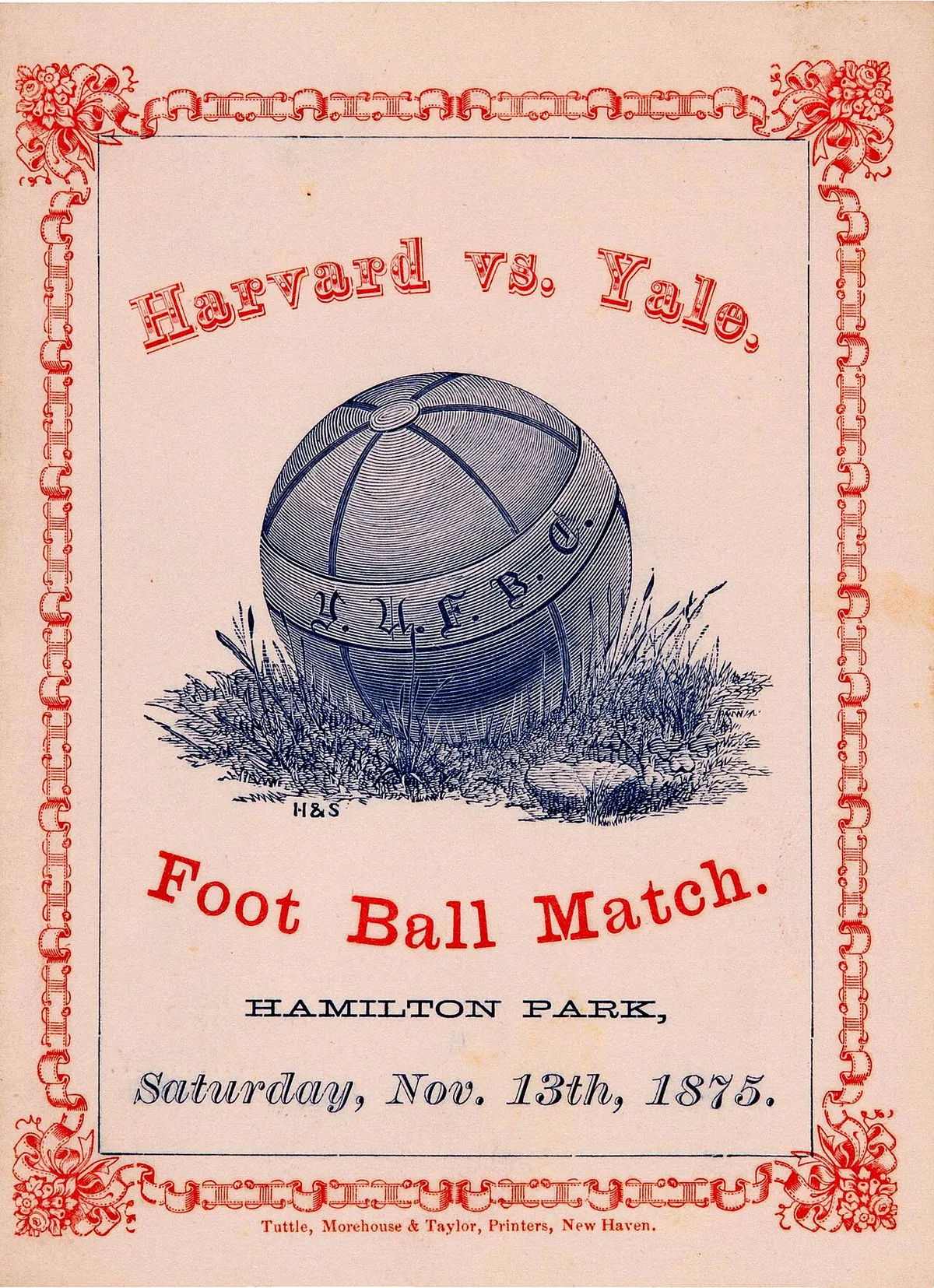
The term Ivy League has its origins in the 1930s, used by sportswriters to describe a group of older, prestigious northeastern colleges. The official athletic conference, however, was not formed until 1954. The roots of intercollegiate competition among these schools run much deeper, with many of the football rivalries beginning in the late 19th century. The first Harvard versus Yale football contest was held in 1875. In 1876, representatives from Harvard, Yale, Princeton, and Columbia met at the Massasoit Convention to standardize rules for the emerging sport of American football, an early sign of collaboration.
Before the formal league, an unwritten agreement governed athletic relations among these schools. A key moment came in 1936 when the student newspapers of seven of the universities simultaneously published an editorial titled Now Is The Time, advocating for the formation of a league to preserve amateur ideals in athletics. The modern Ivy League agreement was created in 1945 when the presidents of the eight schools signed the first Ivy Group Agreement, which established academic, financial, and athletic standards for their football teams. This agreement formed the basis for the conference's official founding nine years later. The conference aligns competition with the educational missions of its member institutions.
The conference's early history includes the formation of other pioneering athletic organizations. In 1870, the Rowing Association of American Colleges, composed of Ivy schools, hosted the first national championship in rowing. Cornell, Columbia, and Penn established the Intercollegiate Rowing Association in 1895, an organization that is still active and is the oldest of its kind in American college sports. A basketball league formed in 1902 with Columbia, Cornell, Harvard, Yale, and Princeton as founding members. Intercollegiate wrestling also began among these schools, with Yale and Columbia holding the first dual meet in 1903, leading to the creation of the Eastern Intercollegiate Wrestling Association.
Conference Format and Championship System
The Ivy League football season operates without divisions. All eight teams play a round-robin conference schedule, meaning each team faces the other seven members. The team with the best conference record at the end of the season is crowned the Ivy League champion. Unlike most FCS conferences, the Ivy League does not hold a conference championship game. The champion is determined solely by the regular-season standings. Furthermore, Ivy League teams do not participate in the NCAA FCS playoffs, a policy the conference has maintained since the playoff system's inception.
The conference champion claims the Ivy League title outright. In seasons where two or more teams finish with identical conference records, they are declared co-champions. This format ensures that every conference game carries significant weight in the championship race. The intense rivalries, often played in late-season matchups, frequently decide the title. The focus remains on the regular season and the rivalries between member schools, which are considered the culmination of the football year. The competitive balance in the league is evident in seasons like 2026, where five teams finished within one game of first place. Recent seasons have seen Harvard and Yale dominate the championship. Harvard won the title in 2026 with a 5-2 conference record.
National Championships and Historical Success
Ivy League schools claim numerous national championships in football, though these titles are almost entirely from the era before the modern NCAA structure and the formation of the Bowl Championship Series or College Football Playoff. These championships are recognized by select historical selectors. The conference's members were among the dominant forces in the early decades of college football. Ivy League teams have not competed for a modern NCAA Division I FBS or FCS national championship due to the conference's policy of not participating in the postseason playoffs.
Princeton and Yale claim the most national championships among Ivy League members, with many awarded in the late 19th and early 20th centuries. Harvard also claims several early national titles. These achievements highlight the historical significance of Ivy League football in the development of the American college game. Their historical contributions to the sport's foundation are well documented. The conference maintains a tradition that prioritizes the regular season and academic integration over postseason play. The Ivy League's approach to athletics is defined by the 1945 Ivy Group Agreement, which set the framework for balancing sports and academics. This agreement committed the schools to maintaining high admission standards for athletes and avoiding the commercialization prevalent in other conferences. The decision to forgo postseason play is a direct result of this philosophy.
Media Coverage and League Operations
The Ivy League's primary media rights partner for football and other sports is ESPN. The network broadcasts a selection of Ivy League football games each season. This partnership brings national exposure to the conference's athletic events. Individual schools may also have local radio broadcasts and streaming agreements for games not selected for national television. The conference headquarters is located in Princeton, New Jersey, which serves as the administrative center for the league's operations under Commissioner Robin Harris.
The conference manages its official website, ivyleague.com, which provides schedules, standings, statistics, and news for all sports. The Ivy Football Association is a separate nonprofit organization that supports Ivy League football traditions and hosts a biennial awards dinner in New York City. The 2027 event is scheduled for the Broadway Ballroom in New York and will honor distinguished alumni from each of the eight football programs. This organization highlights the lasting connection and community among Ivy League football alumni. The association also facilitates charitable giving and networking among former players and supporters.
The commissioner of the Ivy League is Robin Harris, who has held the position since 2009. The conference offices oversee compliance, championships, officiating, and strategic planning for all 33 sponsored sports, 17 for men and 16 for women. The conference competes at the NCAA Division I level across the board, with football specifically in the Football Championship Subdivision. The headquarters in Princeton coordinates the league's relationships with its broadcast partner, ESPN, and manages the conference's brand and public relations.
Ivy League Football in the 2026 Season
The 2026 Ivy League football season concluded with Harvard University winning the conference championship. The Crimson finished with a 5-2 record in Ivy League play and an 8-2 overall record. The race for the title was highly competitive, with five teams finishing with 4-3 conference records. Those teams were Brown, Princeton, Yale, and Dartmouth, among others, creating a logjam for second place behind Harvard. This competitive balance is a consistent feature of the conference, where any team can compete for the championship in a given year.
Key results from the season included a 38-20 win over Cornell. The final standings reflected the tight competition throughout the conference schedule. Brown finished 6-4 overall, Princeton was 6-4, Yale was 6-4, and Dartmouth was 5-5. Columbia, Penn, and Cornell rounded out the standings. The season demonstrated the depth of the league and the importance of every conference matchup in determining the champion. The focus for Ivy League teams remains on the conference slate and its historic rivalries, which continue to draw significant interest each autumn.
The statistical leaders for the 2026 season are tracked on the conference's official website. Team and individual statistics for rushing, passing, defense, and special teams are compiled for the season. These figures provide a detailed look at the performance trends within the league. The close nature of the standings is often reflected in similarly close statistical margins between teams in categories like total offense and scoring defense. The conference recognizes outstanding performances at the season's end.
Notable Alumni and the Ivy Football Association
The Ivy Football Association serves as an alumni organization dedicated to celebrating the tradition and leadership associated with Ivy League football. It hosts a major awards dinner every two years in New York City to honor distinguished figures from each of the eight programs. He earned First Team All-Ivy League honors twice and helped Princeton win a share of the 1992 Ivy League championship. On October 12, 1991, against Brown, he caught nine passes for 370 yards and four touchdowns, a single-game performance that tied the NCAA all-divisions record for receiving yards at the time. During his career, he scored touchdowns by receiving a pass, running the ball, throwing a pass, returning a kickoff, returning a punt, and recovering a fumble. These alumni exemplify the blend of athletic achievement and post-graduate success that the Ivy League and the Ivy Football Association aim to highlight.
The association's biennial dinner is a formal event that also serves as a fundraiser. Tickets and full tables are available for purchase, with proceeds supporting the organization's mission. The 2027 dinner will be held at the Broadway Ballroom in the New York Marriott Marquis, which has also set aside a block of hotel rooms for attendees. The Ivy Football Association is a registered 501(c)(3) nonprofit, and contributions are tax-deductible. The event reflects the lifelong bonds formed through Ivy League football and its role in developing leaders beyond the field.
- Kiely was instrumental in creating TNT's Inside the NBA.
- Lerch's 370 receiving yards against Brown in 1991 tied an NCAA all-divisions record.
- He scored touchdowns via reception, rush, pass, kickoff return, punt return, and fumble return.
- Lerch received the John P. Poe/Richard W. Kazmaier Award for leadership at Princeton.
Academic Profile and Institutional Characteristics
The Ivy League universities are globally recognized for academic excellence and selective admissions. All eight schools place in the top 15 of the U.S. News & World Report National Universities ranking for 2025. U.S. News has named an Ivy League school as the best national university every year from 2001 through 2026, with Princeton winning 19 times, Harvard twice, and the two schools tying for first five times. In global university rankings for 2024 to 2025, six Ivies rank in the top 20 worldwide. All eight are members of the Association of American Universities, a prestigious alliance of leading research universities.
The financial resources of these institutions are substantial. University endowments range from Brown's 6.9 billion dollars to Harvard's 53.2 billion dollars, the largest academic endowment in the world. These funds support academic programs, financial aid, and research. Each university attracts millions in annual research funding from federal and private sources.
The Ivy League is often compared to other elite university groups around the world, such as Oxbridge in England, the C9 League in China, and the Imperial Universities in Japan. The term Ivy League itself predates the athletic conference. The custom of planting ivy on class day was common at many colleges in the 1800s, with Penn formalizing an Ivy Day in 1874. The name gained popular usage in the 1930s through sportswriters. A common but incorrect belief is that the name comes from the Roman numeral IV, referring to a supposed original four-member league.
Video
FAQ
What is the Ivy League football conference?
The Ivy League football conference is an NCAA Division I Football Championship Subdivision (FCS) league comprising eight prestigious private universities in the Northeastern United States. Founded in 1954, the conference includes Brown, Columbia, Cornell, Dartmouth, Harvard, Penn, Princeton, and Yale. It is known for its high academic standards, historic rivalries, and a policy of not participating in the FCS playoffs. The champion is determined by the best regular-season conference record. The conference headquarters is in Princeton, New Jersey, and its games are broadcast on ESPN.
Which Ivy League schools have football teams?
All eight Ivy League universities field football teams. The schools and their team names are the Brown Bears, Columbia Lions, Cornell Big Red, Dartmouth Big Green, Harvard Crimson, Penn Quakers, Princeton Tigers, and Yale Bulldogs. These teams have competed against each other for over a century, with some rivalries dating back to the 1870s. Every team plays a full round-robin conference schedule each season. The Ivy League athletic conference was formally established in 1954.
Has an Ivy League team ever won a national championship in football?
Ivy League schools claim multiple national championships in football, but these titles are from the early era of college football, predating the modern NCAA structure. Princeton and Yale claim the most historical national championships, with Harvard also claiming several. These recognitions come from historical selectors like the Dickinson System and other early polls. No Ivy League team has competed for or won an NCAA FCS national championship, as the conference does not participate in the postseason playoff tournament.
How does the Ivy League football championship work?
The Ivy League football champion is determined solely by the regular-season conference record. The eight teams play a round-robin schedule, and the team with the best win-loss record in those games is crowned the champion. The Ivy League does not hold a conference championship game. In cases where two or more teams finish with the same conference record, they are declared co-champions. The 2026 champion was Harvard with a 5-2 conference record. The conference has never sent a team to the FCS playoffs, maintaining a focus on the regular-season title.
Are there any Ivy League football players in the NFL?
Yes, Ivy League football players have reached the NFL, though in smaller numbers compared to major FBS conferences. Alumni from Ivy League schools have played and continue to play in the National Football League. The path from the Ivy League to the NFL demonstrates that athletes from these academic institutions can compete at the professional level. The Ivy Football Association highlights the professional and leadership achievements of its alumni, including those who have succeeded in fields like sports broadcasting and business after their playing days. The association's awards dinner honors such individuals biennially.
Who broadcasts Ivy League football games and where are they headquartered?
The primary broadcaster for Ivy League football is ESPN. The network holds the media rights to the conference and televises a selection of games each season on its linear channels and streaming service, ESPN+. This partnership provides national coverage for Ivy League athletics. Individual schools may also produce local radio and streaming broadcasts for games not picked up by the national television package. The conference headquarters is located in Princeton, New Jersey. The commissioner is Robin Harris, who has led the league since 2009.
Sources
- Ivy League (Wikipedia) Wikipedia
- Ivy Football Association: Save the Date ivyfootballassociation.org
- Ivy League Football Colleges, All 8 Schools athleticscholar.net