The NFL Scouting Combine is an annual week-long event held every February in Indianapolis where college football players perform physical and mental tests for NFL coaches, scouts, and general managers. It is a centralized evaluation event that influences player draft status and salary. The combine originated from scouting organizations in 1977 and was first held as a national invitational camp in 1982. With increasing interest in the NFL draft, the event has grown in scope, featuring standardized drills, medical evaluations, and team interviews. It is televised on NFL Network and ESPN, drawing millions of viewers each year.
History and Development
The origins of the NFL Scouting Combine stem from the National, BLESTO, and Quadra scouting organizations in 1977. Dallas Cowboys president and general manager Tex Schramm, who served from 1960 to 1989, suggested a centralized evaluation process to the NFL competition committee. Before 1982, each NFL team arranged its own individual visits with players to run drills and tests. National Football Scouting, Inc. started the first national invitational camp in Tampa, Florida, in 1982 for its member clubs to assess draft prospects. Teams not part of that organization used two other camps that operated from 1982 through 1984. The national invitational camp moved to New Orleans, Louisiana, in 1984. In 1985, the three camps merged into one event called the NFL Scouting Combine to cut costs. The 1985 combine occurred in Arizona, and the 1986 event returned to New Orleans before settling permanently in Indianapolis in 1987. The event has been held at Lucas Oil Stadium, having previously been at the RCA Dome until 2008.
The league's initial scouting organization, LESTO, formed in 1963 with its base in Pittsburgh, Pennsylvania. The group added the Chicago Bears in 1964 and changed its name to BLESTO. The Buffalo Bills, Baltimore Colts, and Miami Dolphins had joined by 1971, and the group was known as BLESTO-VIII. It is now called BLESTO, though the Bears and Eagles are no longer members. The headquarters relocated from Pittsburgh to Jacksonville, Florida, in 2007. Another early group, CEPO, started in 1964 with the Colts, Browns, Packers and Cardinals. It changed to United Scouting after the Falcons, Giants and Redskins joined, then became National Football Scouting in 1983. A separate organization called Troika also launched in 1964 with the Cowboys, Rams and 49ers, renaming itself Quadra when the Saints joined in 1967.
Combine Events and Drills
Players invited to the combine undergo a series of standardized physical tests, position-specific drills, interviews, and comprehensive medical evaluations. Each NFL team is allowed 60 formal interviews with prospects, conducted in 15-minute intervals. The physical tests are designed to measure athletic attributes such as speed, strength, agility, and explosiveness. A 2011 study concluded that drills like the 40-yard dash, vertical jump, 20-yard shuttle, and 3 cone drill have limited value in forecasting NFL success, indicating that a player's college game performance is a more reliable predictor. Despite this, these measurable qualities significantly impact a player's draft stock, popularizing the term workout warrior for athletes whose draft status rises based on superior combine numbers despite an average college career.
The primary on-field drills at the combine include the 40-yard dash, bench press, vertical jump, broad jump, 20-yard shuttle, and 3 cone drill. The 40-yard dash is the most publicized test, measuring straight-line speed. The bench press tests muscle strength and stamina, requiring athletes to lift 225 pounds as many times as possible. The vertical and broad jumps measure lower-body explosiveness and power. The 20-yard shuttle, also known as the 5-10-5 drill, evaluates short-area quickness, lateral movement, and change-of-direction ability. The 3 cone drill, or L-drill, assesses agility, balance, and body control. Players also participate in position-specific drills led by NFL coaches, which are designed to evaluate football skills relevant to their roles.
- 40-yard dash: Measures straight-line speed. Record is 4.21 seconds by Xavier Worthy in 2024.
- Bench press: 225-pound lift for max reps. Record is 51 reps by Justin Ernest in 1999.
- Vertical jump: Measures lower-body explosiveness from a standstill.
- Broad jump: Measures lower-body power and explosiveness in a horizontal leap.
- 20-yard shuttle: Also called the short shuttle or 5-10-5. Tests agility and change of direction.
- 3 cone drill: An L-shaped agility drill testing ability to change direction at high speed.
Notable Combine Performances and Records
Exceptional performances at the combine can dramatically improve a prospect's draft position. Since 1994, only 20 players at the combine have achieved more than 40 repetitions on the 225-pound bench press. Justin Ernest holds the record with 51 reps in 1999, followed by Stephen Paea with 49 reps in 2011. Players with 45 reps include Mike Kudla in 2006, Mitch Petrus in 2010, and Leif Larsen in 2000. Those with 44 reps are Brodrick Bunkley in 2006, Jeff Owens in 2010, Dontari Poe in 2012, and Netane Muti in 2020. Larry Allen in 1994 and Scott Young in 2005 each recorded 43 reps. The 40-yard dash record was broken in 2024 when Texas wide receiver Xavier Worthy ran a time of 4.21 seconds.
At the 2024 combine, several players posted standout performances that affected their draft position. Alabama edge rusher Dallas Turner ran a 4.47-second 40-yard dash, recorded a 40.5-inch vertical jump, and a 10-foot-7 broad jump, ranking above the 90th percentile in all tests. Florida State defensive tackle Braden Fiske ran a 4.78-second 40-yard dash, a 33.5-inch vertical, and a 9-foot-9 broad jump, which were best-in-class for his position. Toledo cornerback Quinyon Mitchell ran a 4.33-second 40-yard dash, placing him in the 95th percentile for corners and strengthening his case to be the first cornerback selected. Penn State edge rusher Chop Robinson ran a 4.48-second 40-yard dash at 254 pounds, keeping him in first-round consideration.
| Player | Year | Event | Record/Notable Performance |
|---|---|---|---|
| Justin Ernest | 1999 | Bench Press | 51 repetitions |
| Xavier Worthy | 2024 | 40-Yard Dash | 4.21 seconds |
| Dallas Turner | 2024 | Athletic Testing | 4.47s 40-yard dash, 40.5" vertical |
| Quinyon Mitchell | 2024 | 40-Yard Dash | 4.33 seconds |
| Stephen Paea | 2011 | Bench Press | 49 repetitions |
Invitations and Participant Selection
Attendance at the NFL Scouting Combine is by invitation only, with a selection committee extending offers to players who receive a supermajority of support. In a typical year, about 330 players are invited. Around 250 invitations go out before the bowl season ends to athletes who have completed their college seasons. Underclassmen have until mid-January to confirm their draft status, which affects their eligibility for an invitation. The selection process aims to include the draft class's best prospects, with just over 320 attending the 2024 event. Players not invited to the main combine have other avenues for evaluation, including regional combines and campus pro days.
The top athletes from these regional sessions earned an invitation to a super regional combine held at Ford Field in Detroit in late March. In 2016, the league changed this system, conducting only five regional combines in Houston, Arizona, Baltimore, Minnesota, and New Orleans. The NFL also tested a Veteran Combine in 2015, featuring veteran free agents like Adam Carriker, Felix Jones, Michael Sam, and Brady Quinn, though only two participants were on NFL rosters by Week 1 of the 2015 season. The 2016 Veteran Combine was cancelled due to lack of player interest, with the league later rebranding the concept as the Pro Player Combine.
Media Coverage and Television
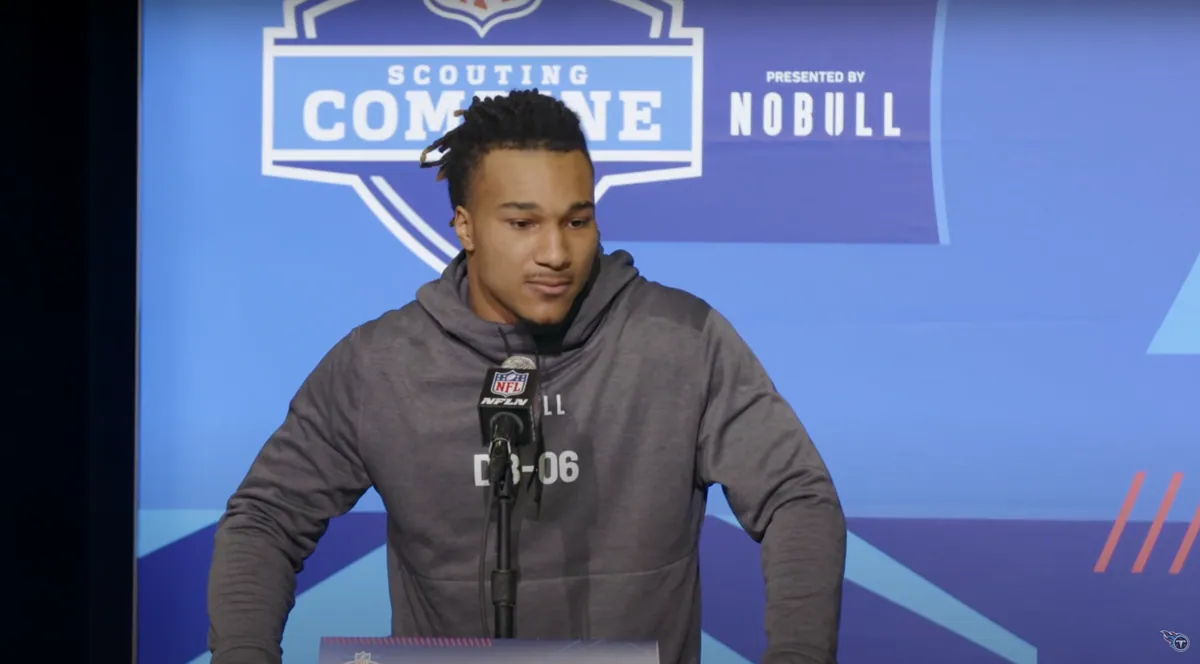
The NFL Scouting Combine was first shown on television in 2004. Media and cameras were historically prohibited from the event, but with the launch of NFL Network on November 4, 2003, the league began airing coverage. In February 2004, six one-hour recap shows aired. In 2005, NFL Network broadcast two hours of combine workouts for each day of on-field activities. Starting in 2010, the network aired over 30 hours of combine coverage, which has drawn millions of viewers. The combine has since become a major television event, with live coverage of drills and extensive analysis.
ESPN added its own live coverage from the combine in 2019, featuring daily on-site broadcasts of NFL Live. This included a two-hour special on ABC that covered quarterback and wide receiver drills, marking the first time official coverage was available on a network outside of NFL Network. The 2025 combine is scheduled to run from Thursday, February 27, to Sunday, March 2, in Indianapolis. All the action will air on NFL Network and can also be streamed on NFL+. The extensive media coverage has turned the combine into a key part of the NFL's offseason calendar, generating significant discussion and analysis of draft prospects.
Criticism and Debate Over Utility
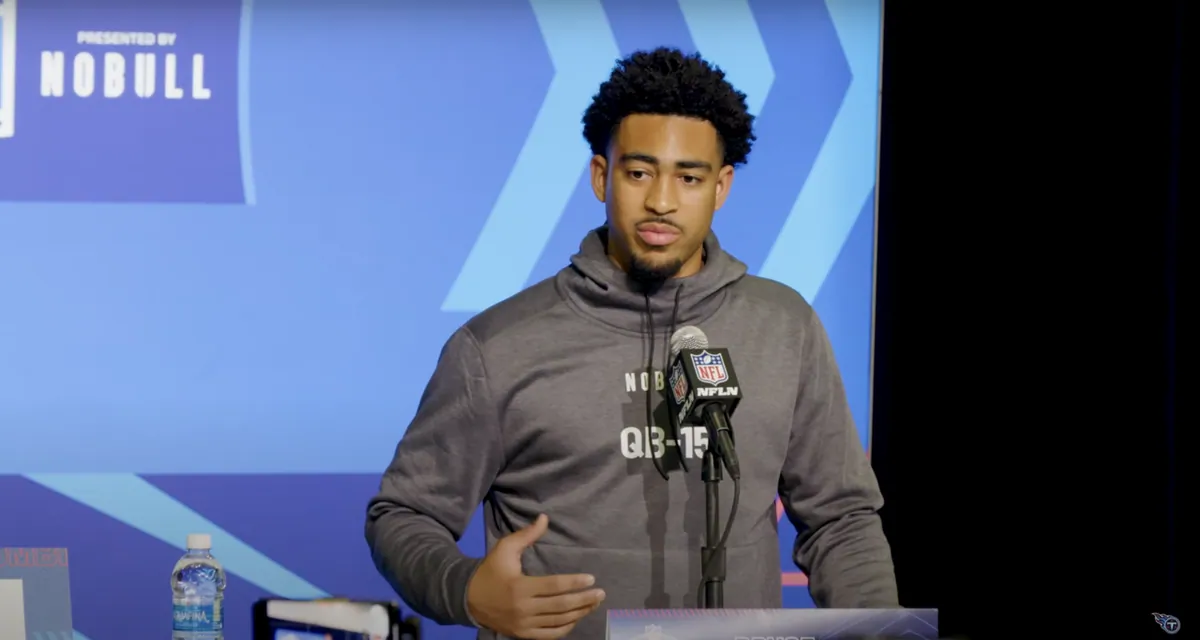
Sportswriters and analysts have long expressed skepticism about the combine's utility as a predictor of NFL success. Critics argue that isolated physical tests do not necessarily correlate with football performance in games. Sportswriter Steve Silverman has cited the experience of Terrell Suggs in 2003 as an example. Suggs was an impressive defensive end for Arizona State but ran a relatively slow 4.83-second 40-yard dash at the combine, causing scouts to downgrade him. Despite this, Suggs was selected tenth overall by the Baltimore Ravens and became an elite defender, recording 12.0 sacks during his rookie season. Doug Tatum of the Times-Picayune has argued that players are unlikely to be asked to run a 40-yard dash again in their careers, suggesting that game tape is more valuable.
Others believe the value of combine tests depends heavily on the player's position. Daniel Jeremiah, an NFL Network analyst and former scout, stated that the 40-yard dash holds the most weight for cornerbacks. He noted that if a cornerback runs a 4.6 and faces a receiver who runs a 4.4, the corner's ball skills may not matter. For other positions, like a receiver who runs a 4.6 but has short-area quickness and strong hands, the 40 time is less critical. The combine also serves as a hub for league business and negotiations, with one executive describing it as one part playing convention and one part lying convention, referring to the misinformation and bluffing that occurs among teams and agents regarding free agency and trades.
Impact on the NFL Draft
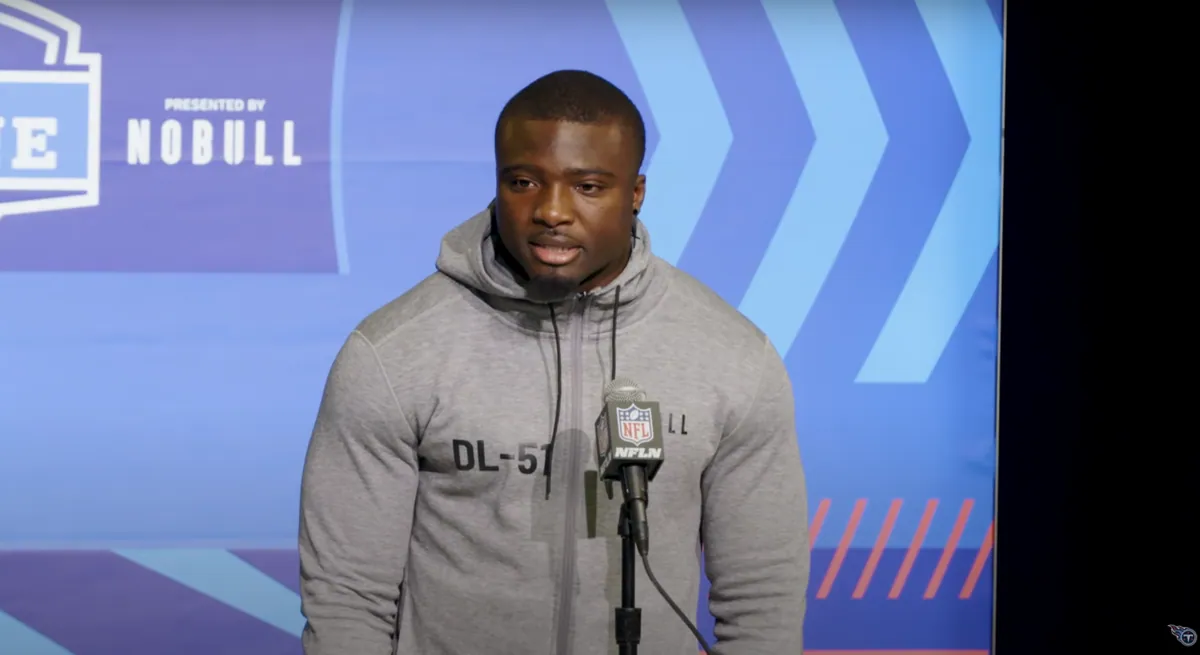
The combine is a major part of the NFL draft process, providing a centralized location for all 32 teams to evaluate talent. A player's performance can affect their draft status and eventual salary. The event allows teams to conduct medical evaluations on a large scale, which is often a decisive factor in draft decisions. The combine also includes formal interviews, giving teams insight into a player's intelligence, personality, and football knowledge. These elements combine to shape team draft boards in the weeks leading up to the selection meeting.
The top of the draft board can see volatility based on combine results. The financial implications are also significant, as the rookie wage scale ties contract values to draft slot. The event has prompted teams to reconsider traditional draft value charts, as the monetary value of picks and contract limitations have changed under the current collective bargaining agreement. Smart teams develop their own charts to account for these new values. The combine, therefore, is not just an athletic event but a critical business and evaluation period that directly influences team building for the upcoming season.
Video
FAQ
What is the NFL Scouting Combine?
The NFL Scouting Combine is an annual week-long event held every February in Indianapolis where college football prospects perform physical and mental tests for NFL teams. It includes standardized drills like the 40-yard dash and bench press, medical evaluations, and team interviews. The event originated from scouting organizations in 1977 and has been held in Indianapolis since 1987. Its primary purpose is to provide a centralized evaluation setting for all 32 NFL teams ahead of the draft.
How are players invited to the NFL Combine?
Players are invited to the NFL Scouting Combine by a selection committee that extends offers based on a supermajority of support. In a typical year, about 330 players receive invitations. Approximately 250 invitations are sent before bowl games conclude to players who have finished their seasons. Underclassmen have until mid-January to confirm their draft status, which affects their eligibility. Invitations are reserved for the draft class's top prospects as determined by the committee.
What drills are performed at the NFL Combine?
The primary drills at the NFL Combine include the 40-yard dash, bench press, vertical jump, broad jump, 20-yard shuttle, and 3 cone drill. The 40-yard dash measures straight-line speed, while the bench press tests strength with 225 pounds for maximum repetitions. The vertical and broad jumps measure lower-body explosiveness. The 20-yard shuttle, or 5-10-5 drill, evaluates agility and change-of-direction ability. Players also participate in position-specific drills led by NFL coaches to evaluate football skills.
Who holds the record for the fastest 40-yard dash at the combine?
The record for the fastest 40-yard dash at the NFL Scouting Combine is 4.21 seconds, set by Texas wide receiver Xavier Worthy in 2024. This set a new combine record. Other notable fast times include a 4.33-second run by Toledo cornerback Quinyon Mitchell in 2024 and a 4.47-second run by Alabama edge rusher Dallas Turner the same year. The 40-yard dash is the most publicized test at the event.
When and where is the NFL Combine held?
The NFL Scouting Combine is held every February in Indianapolis, Indiana. The 2025 event is scheduled to run from Thursday, February 27, to Sunday, March 2. It takes place at Lucas Oil Stadium, home of the Indianapolis Colts. The city has hosted the combine every year since 1987, having previously used the RCA Dome until 2008. For the 2025 combine, players, coaches, and executives began arriving for evaluations and media availability starting Monday, February 24.
How has the NFL Combine changed over time?
The NFL Combine has evolved significantly since its origins in 1977. It began as separate camps run by scouting organizations before merging into a single national event in 1985. It moved permanently to Indianapolis in 1987. Media coverage expanded dramatically, with the event first televised in 2004 on NFL Network, and ESPN joining with live coverage in 2019. The number of invited players has grown to about 330 annually. The league has also experimented with regional combines and a veteran combine to evaluate additional players beyond the main event.
Further reading
- NFL Scouting Combine NFL Football Operations. The league's description of the combine drills, testing and schedule.
Sources
- NFL Scouting Combine (Wikipedia) Wikipedia
- Scouting combine kicks off lying season around the NFL NFL
- NFL Scouting Combine by the Numbers 49ers.com
- NFL Scouting Combine 2024: Highlights, analysis & takeaways pff.com
- NFL Scouting Combine preview: How to watch, list of drills, players and more Yahoo Sports