Each NFL team plays 17 regular-season games over an 18-week schedule, totaling 272 games league-wide. The regular season begins on the weekend following Labor Day in early September and concludes in early January, after which the playoffs begin. Every team has one scheduled bye week during the 18-week period where they do not play a game. This 17-game format was introduced for the 2021 season, expanding from the 16-game schedule that had been standard from 1978 to 2020. The opponents for each team are determined by a specific scheduling formula that rotates matchups across the league.
Weekly Game Schedule and Broadcasts
NFL games are scheduled across multiple days and time slots each week during the regular season. The majority of games are played on Sunday, with early afternoon kickoffs at 1:00 PM Eastern Time and late afternoon games starting at 4:05 PM or 4:25 PM ET. The league also schedules nationally televised prime-time games on Thursday, Sunday, and Monday nights. Thursday Night Football typically kicks off at 8:15 PM ET, while Sunday Night Football airs at 8:20 PM ET on NBC. Monday Night Football games on ESPN and ABC start at 8:15 PM ET, with occasional doubleheaders where a second game may start earlier or later. Special holiday games include a tripleheader on Thanksgiving Day and, since 2023, an afternoon game on Black Friday. The Sunday afternoon games are broadcast regionally by CBS and Fox, with each network holding rights based on the conference of the visiting team. CBS broadcasts games where the visiting team is from the American Football Conference, while Fox has rights for games where the visiting team is from the National Football Conference. During most weeks, one of these networks airs a doubleheader of two consecutive games, while the other network broadcasts a single game. This structure ensures that most local television markets can watch three different Sunday afternoon games.
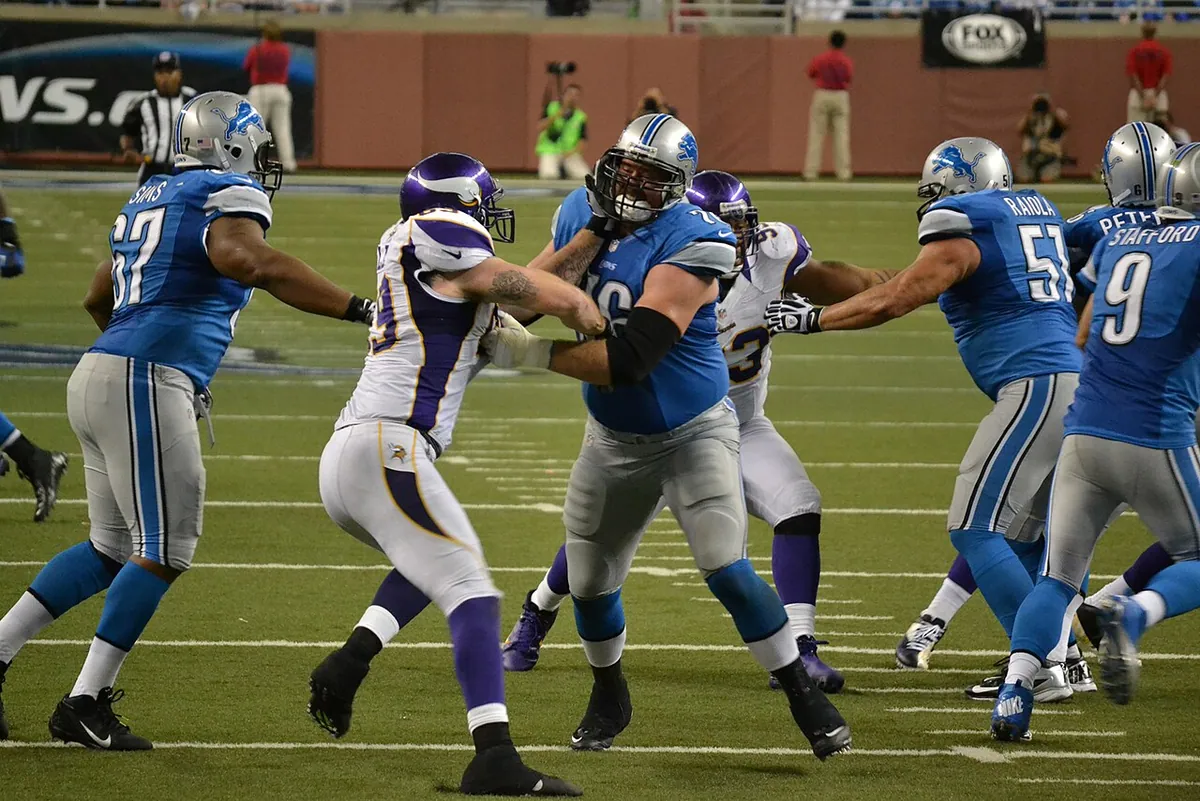
Current 17-Game Scheduling Formula
The NFL uses a precise formula to determine each team's 14 different opponents across its 17-game schedule. Every team plays six games against its three division rivals, facing each team once at home and once on the road. Each team also plays all four teams from one division within its own conference on a rotating three-year cycle, resulting in four games. Teams play another four games against all four teams from a division in the opposite conference on a rotating four-year cycle. Two additional intraconference games are scheduled based on the previous season's standings, matching teams that finished in the same position within their divisions. The 17th game is an extra interconference matchup also determined by the previous year's standings, featuring a team from a division in the opposite conference that the team played two years prior. It also guarantees that each club will play every team in the other conference at least once every four years. The home and away designations for non-divisional games follow a set rotation designed to balance travel over successive years.
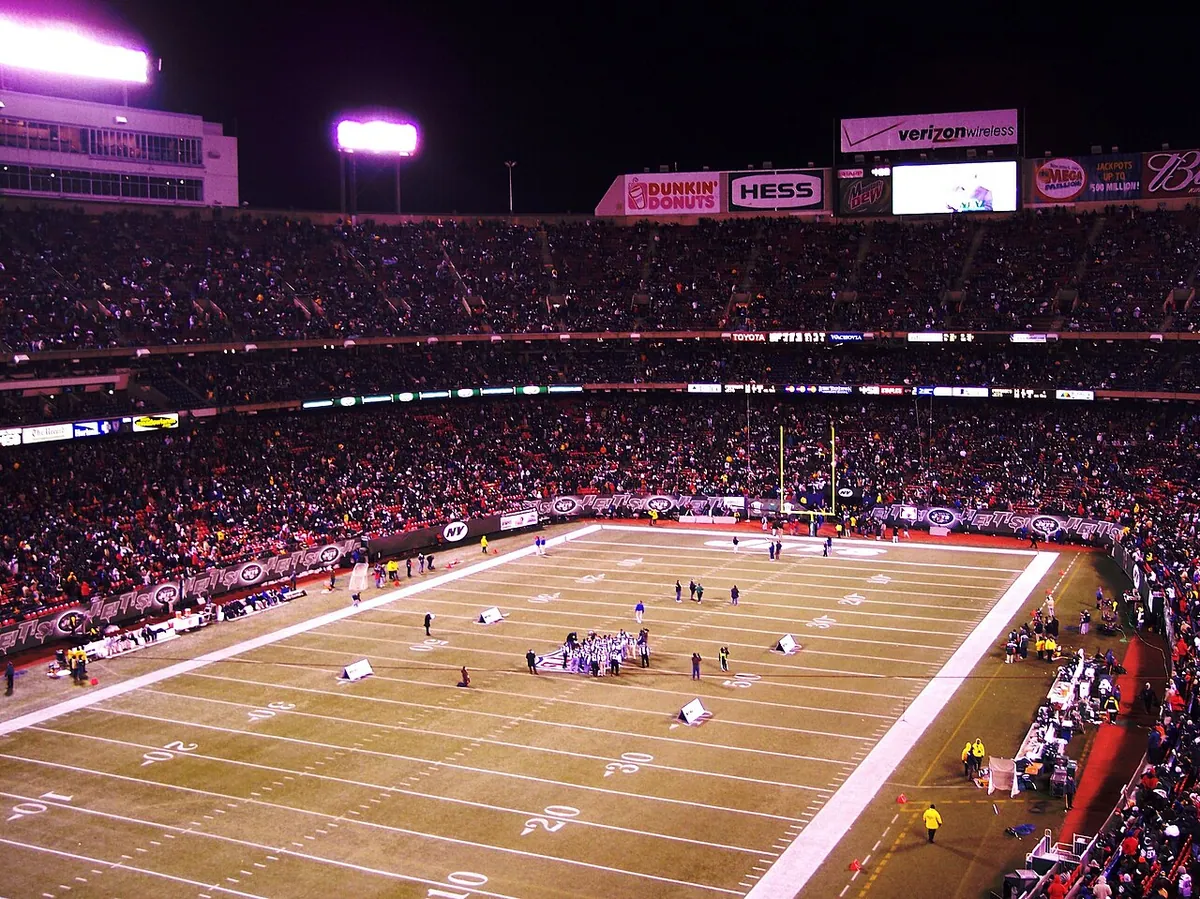
History of the NFL Regular Season Length
The length of the NFL regular season has evolved significantly since the league's early years. A more standardized schedule emerged in the post-war era, with teams playing 12 games per season from 1947 through 1960. The rival American Football League began in 1960 with a 14-game schedule, prompting the NFL to adopt a 14-game season from 1961 through 1977. The modern era of a longer season began in 1978 when the league expanded to 16 regular-season games, a format that remained in place through 2020. A bye week was reintroduced in 1990, stretching the 16 games over 17 weeks for most of the period until 2020. The league experimented with two bye weeks in 1993, resulting in a 16-game season over 18 weeks. The 2001 season was extended to 18 weeks due to the postponement of games following the September 11 attacks. The current 17-game, 18-week structure was approved in 2020 and implemented starting with the 2021 season. This change was enabled by the NFL-NFLPA Collective Bargaining Agreement and marked the first expansion of the regular season since 1978.
- 1961 to 1977: 14 games over 14 weeks (except 1966: 14 games over 15 weeks)
- 1978 to 1989: 16 games over 16 weeks (except 1982: 9 games)
- 1990 to 1992: 16 games over 17 weeks
- 1993: 16 games over 18 weeks (two byes)
- 2021 to present: 17 games over 18 weeks
Flexible Scheduling and Key Dates
To ensure compelling matchups for national broadcasts, the NFL employs a flexible scheduling system during the latter part of the regular season. For the final seven weeks of the season, the league can move a Sunday afternoon game into the Sunday Night Football slot to feature a more attractive national matchup. Since 2022, this flexibility has also been extended to include Monday night games in weeks 12 through 17. These changes are generally announced at least 12 days in advance to allow for fan and logistical adjustments. The regular season follows a consistent annual rhythm, beginning on the Thursday night after Labor Day. The season concludes in early January, with the final week, Week 18, consisting entirely of divisional matchups. This scheduling decision, in place since 2010, aims to maintain competitive integrity by discouraging playoff-bound teams from resting their starters. The 2026 regular season is scheduled to begin on September 9, 2026, and end on January 10, 2027.
Comparison to Other Football Levels and Sports
The NFL's 17-game regular season is notably shorter than the seasons of other major North American professional sports leagues. The shorter NFL season increases the importance of each individual game and contributes to high weekly viewership, which averaged 18.7 million per game in 2025. The structure also differs significantly from college and high school football in the United States due to legal and historical factors. A key legal distinction is the Sports Broadcasting Act of 1961, which prohibits the NFL from broadcasting games on Fridays and Saturdays during the high school and college football seasons. This law is why the NFL generally avoids scheduling games on those days until mid-December, when the college regular season concludes. The NFL's international expansion has added games in locations like London, Mexico City, and Munich, but the core 17-game, 18-week structure remains the foundation of the league's calendar. The league has played 62 international games since 2007, with the enhanced season structure ensuring all 32 clubs will play internationally at least once every eight years beginning in 2022.
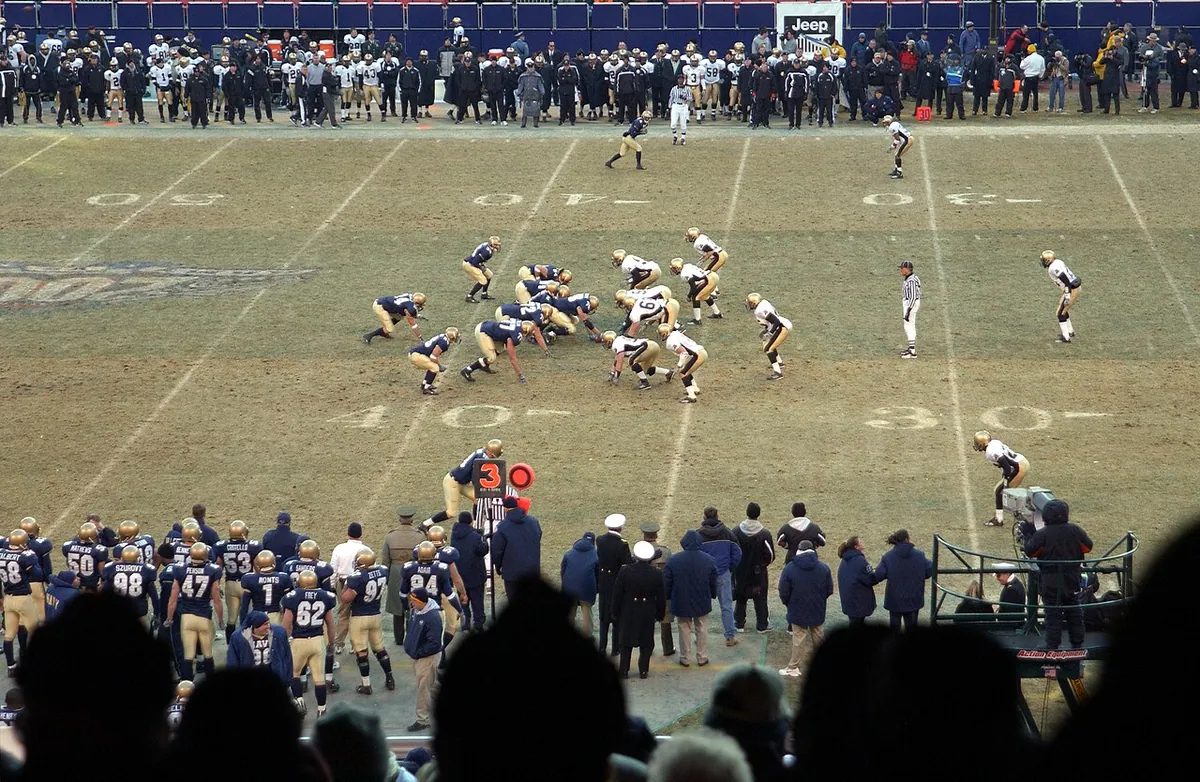
Impact of Bye Weeks and Playoff Structure
Each team's single bye week is a critical component of the 18-week regular season, providing a mid-season break for rest and strategic adjustment. Bye weeks are staggered across the league, typically occurring between Week 5 and Week 14. Teams coming off a bye week often have a slight performance advantage due to extra preparation and recovery time, a factor considered by analysts. The three wild cards are seeded five through seven. The postseason is a single-elimination tournament consisting of the Wild Card round, Divisional round, Conference Championships, and the Super Bowl. The entire NFL season, from the opening kickoff in September to the Super Bowl in early February, spans roughly five months and includes preseason, regular season, and playoff games. NFL revenue exceeded $23 billion in fiscal 2024, with the playoff window generating concentrated attention and revenue for the league.
Scheduling Process and Considerations
Creating the NFL schedule each spring is a complex logistical undertaking by a dedicated team of league executives. While the scheduling formula determines each team's opponents, the assignment of specific dates, times, and television slots takes months of coordination. The schedule makers must balance numerous competing factors, including stadium availability, avoiding excessive consecutive road games for any team, managing cross-country travel, and aligning with network television priorities. The league also works to ensure competitive fairness by attempting to balance rest times between opponents, especially for teams playing on Thursday nights following a Sunday game. The schedule is designed to maximize television ratings by placing high-profile matchups in prime-time slots and on holidays. The release of the full schedule, usually in the spring, is a major event for fans and marks the official countdown to the new season. The detailed process ensures that all 272 regular-season games are successfully staged across the 18-week window, leading into the postseason.
Video
FAQ
How many games are in the NFL regular season?
Each of the 32 NFL teams plays 17 regular-season games. This totals 272 games across the entire league. The 17-game format was introduced in the 2021 season, expanding from the previous standard of 16 games that had been in place from 1978 to 2020. Every team has one bye week during the 18-week schedule where they do not play. The season typically starts the weekend after Labor Day and ends in early January.
How long is the NFL regular season?
The NFL regular season spans 18 weeks. It typically begins on the Thursday night after Labor Day in early September and runs through early January. Because each team has one bye week, they play their 17 games over this 18-week period. The 2026 regular season, for example, is scheduled to start on September 9, 2026, and end on January 10, 2027. This structure has been consistent since the move to 17 games in 2021.
When did the NFL go to 17 games?
The NFL moved to a 17-game regular season starting with the 2021 season. This change was approved by team owners in 2020 under the new Collective Bargaining Agreement with the players' union. It marked the first expansion of the regular season since 1978, when the league increased from 14 to 16 games. The 17th game is an additional interconference matchup based on the previous season's standings.
What is flexible scheduling in the NFL?
Flexible scheduling allows the NFL to change the time or date of certain games later in the season to feature more compelling matchups in national television windows. For the final seven weeks, a Sunday afternoon game can be moved to the Sunday Night Football slot. Since 2022, Monday night games in weeks 12-17 can also be flexed. In 2023 and 2024, the league could flex games into Thursday night slots in weeks 13-17. These changes are announced at least 12 days in advance to give fans notice.
How many teams make the NFL playoffs?
A total of 14 teams qualify for the NFL playoffs each season. This includes the four division winners from both the AFC and NFC, making eight teams. The top seed in each conference receives a first-round bye. The playoffs are a single-elimination tournament culminating in the Super Bowl in early February.
When does the NFL regular season typically start and end?
The NFL regular season typically begins on the weekend following the first Monday of September, which is the weekend after Labor Day. It ends in early January, after which the playoffs begin. For example, the 2026 season is scheduled to start on September 9, 2026, and end on January 10, 2027. This 18-week period allows each team to play 17 games with one bye week. The season structure has evolved over time, with the current 17-game format starting in 2021.
Sources
- NFL regular season (Wikipedia) Wikipedia
- NFL season to feature 17 regular-season games per team NFL
- How Long Is the 2026 to 2027 NFL Season? What to Know nbc.com
- NFL Season Structure, Regular Season & Playoff Betting, American Football Betting Online americanfootballbet-uk.com
- NFL Season Length: Full Guide to the Schedule, Structure, and Key Dates blog.betway.com