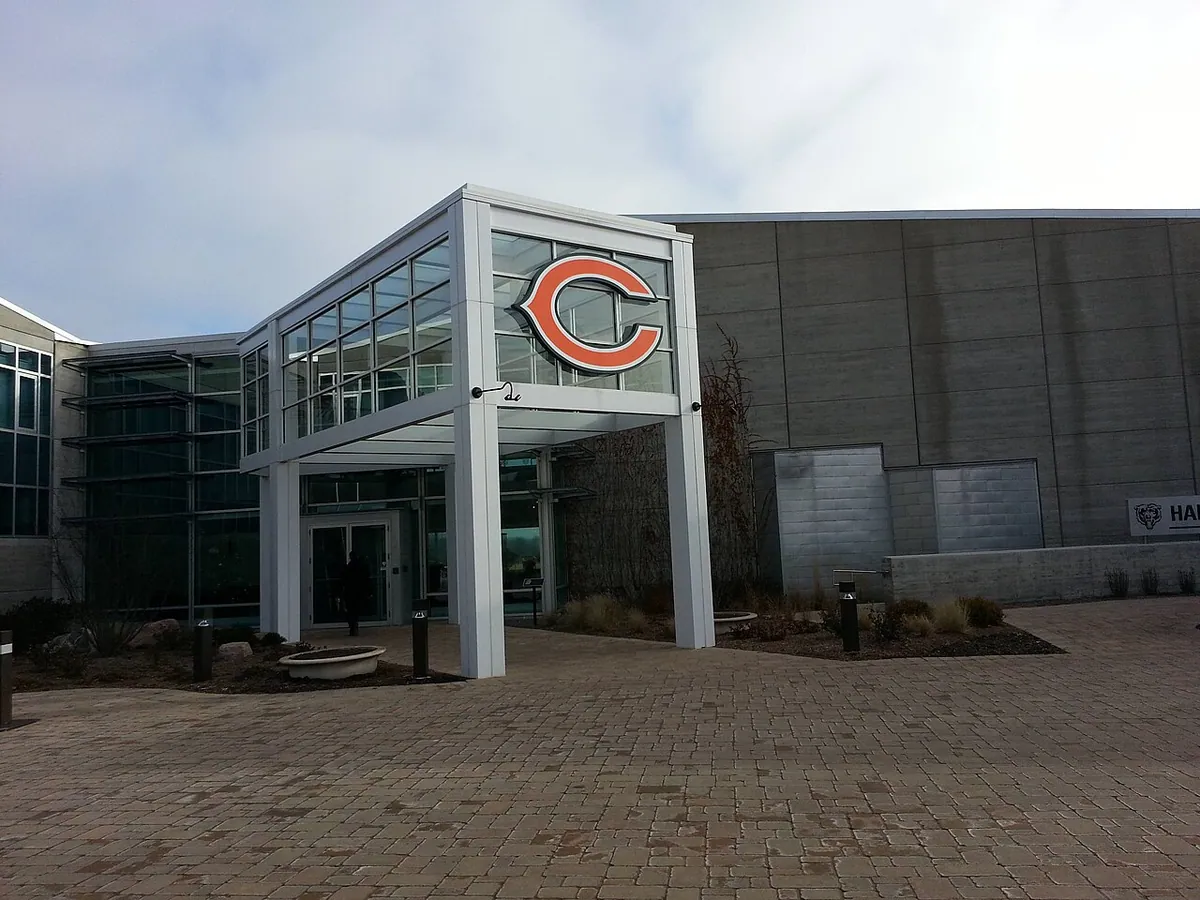
The Chicago Bears training camp is the annual preseason preparation period where the team conducts practices to evaluate players and install its systems for the upcoming NFL season. Since 2020, the Bears have held their primary training camp at their year-round headquarters, Halas Hall, in Lake Forest, Illinois. The camp typically begins in late July and runs through mid-August, with a portion of the practices open to the public. The Chicago Bears have conducted their primary training camp operations at Halas Hall since 2020, following major renovations to the team's headquarters and practice facility in Lake Forest. The camp utilizes the indoor Walter Payton Center and the outdoor practice fields adjacent to the main building. The schedule is governed by NFL collective bargaining agreement rules, which mandate specific phases of activity. The first day of camp is typically dedicated to player physicals, team meetings, and conditioning tests, with no on-field practice allowed. Days two and three involve on-field work but prohibit players from wearing full pads, focusing instead on helmets and shells. Full-pad practices are integrated into the schedule later in camp, but league rules limit the number of such contact sessions per week.
History of Training Camp Locations
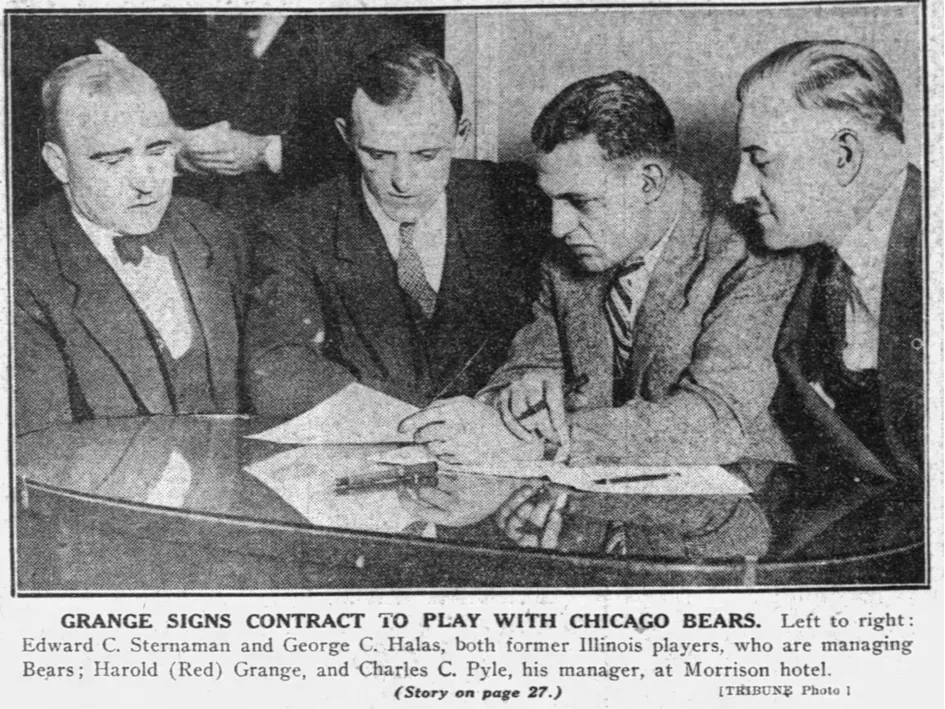
The Bears' tradition of traveling to a dedicated training camp site began in 1930 under founder George Halas. For its first five years, the team practiced at a different location each summer before establishing a more permanent base. The franchise's history of camp locations is a chronicle of its operational evolution over nearly a century. Prior to the 1944 season, Halas moved operations to St. Joseph’s College in Rensselaer, Indiana, beginning a 31-year tenure.
A more significant move occurred in 1984 when the team began a 28-year run at the University of Wisconsin-Platteville. This era spanned the successful 1980s, including the 1985 Super Bowl championship season under coach Mike Ditka. In 2002, the Bears entered a new partnership with Olivet Nazarene University in Bourbonnais, Illinois, which lasted for 18 seasons. The move to Olivet was noted for bringing the team closer to a broad fan base in an accessible setting with excellent grass practice fields and facilities.
- 1930 to 1934: Various temporary locations each year.
- 1975 to 1983: Lake Forest College, Lake Forest, Illinois.
- 1984 to 2001: University of Wisconsin-Platteville, Platteville, Wisconsin.
- 2020-Present: Halas Hall, Lake Forest, Illinois.
Public Access and Fan Experience
The Chicago Bears offer fans the opportunity to attend a select number of training camp practices each summer, continuing a long-standing tradition of community engagement. Access is managed through a free ticketing system, where fans must obtain passes in advance via the team's official website or designated platforms. Tickets are typically released in early July, with a set number available for each open practice date. The public sessions are held on the practice fields at Halas Hall, with viewing areas cordoned off for spectator safety. Concessions, merchandise tents, and interactive fan zones are often set up to enhance the experience, especially during special themed days promoted by the team.
During the team's tenure at Olivet Nazarene University, the camp schedule included multiple practices open to the public. The university's facilities included four full grass fields and a large recreation center to support the team's operations. The Bears recognized the value of holding camp away from their headquarters for player bonding and fan engagement. The partnership brought thousands of people to the greater Kankakee area each summer, providing an economic boost to local businesses. The current setup at Halas Hall follows a similar model of offering morning or afternoon sessions, though the number of open practices can vary based on the team's overall preseason schedule.
Training Camp Schedule and Reporting Dates
The NFL's collective bargaining agreement establishes a uniform reporting calendar for all teams, though exact dates vary slightly each year based on the preseason schedule. For the Bears, veterans typically report to Halas Hall in late July, with rookies and selected first-year players often arriving a few days earlier. The official start of camp is marked by the first practice, which follows the league-mandated acclimation period. The full camp schedule usually spans about three to four weeks, concluding before the team's third preseason game. During this period, the daily routine includes meetings, film study, conditioning, and multiple on-field practices, though the intensity and structure have evolved significantly for player safety.
Modern training camps are less grueling than their historical counterparts, which often featured two full-pad practices per day in intense summer heat. A tragic turning point came in 2001 with the heatstroke death of Minnesota Vikings tackle Korey Stringer, which prompted league-wide safety reforms. The current CBA rules, strengthened in 2011, limit full-pad practices to once per day and impose a maximum number per week. Teams are also required to give players mandatory days off throughout camp. The schedule for public practices is announced by the team each summer, with details on specific dates and times available on the Chicago Bears official website and mobile app.
Evolution of Camp Intensity and Player Safety
For most of NFL history, training camp was an arduous process designed to get players into football shape after off-seasons where many held other jobs. Practices were long, frequent, and conducted in full pads under often harsh summer conditions. The Bears' camps at locations like St. Joseph's College and Platteville were known for their physical demands. This model persisted for decades, with two-a-day practices in full gear remaining standard through the 1990s. The philosophy began to shift as player salaries rose and athletes began maintaining year-round fitness, reducing the need for camp solely as a conditioning period. The watershed moment for player safety occurred in 2001 following the death of Korey Stringer, which forced the league and teams to re-evaluate practice conditions, hydration, and medical oversight.
Subsequent collective bargaining agreements between the NFL and the NFL Players Association introduced strict regulations that have fundamentally changed the camp experience. The current rules, which have been in effect since 2011, mandate specific limits on contact. Teams are allowed only one practice per day in full pads, and the total number of padded practices during camp is capped. The first three days of camp are restricted to no pads or only shells, focusing on acclimation. These changes have made training camp less about surviving brutal physical trials and more about strategic installation, technique refinement, and competition in a controlled environment. The Bears, like all teams, now incorporate more walk-throughs, classroom time, and recovery protocols into their camp schedule, reflecting the league's increased emphasis on player health and safety.
The Olivet Nazarene University Era
This 18-season partnership was notable for its duration and its success in merging team preparation with fan accessibility. The university offered four full grass practice fields and extensive facilities, including a 168,000-square-foot recreation center. The Bears valued the separation from their daily headquarters, believing it fostered team bonding and focus. For fans, the location about 60 miles south of Chicago provided a more relaxed, collegiate atmosphere compared to the urban setting of Halas Hall, drawing thousands of visitors to the Kankakee area each summer. The public schedule at Olivet included practices open to the public, which required free tickets obtained in advance. The setup included fan zones and opportunities for autographs, creating significant local economic impact for restaurants and hotels. The arrangement also attracted substantial media coverage from Chicago's large market, with outlets like ESPN, NFL Network, and local newspapers regularly reporting from the site.
Economic and Community Impact
Chicago Bears training camp has historically served as a significant economic and community event, especially during its long-term stays at offsite locations. When the team trained at Olivet Nazarene University, the camp brought thousands of fans to Bourbonnais and the greater Kankakee area each summer. This influx provided a substantial boost to local businesses, including hotels, restaurants, gas stations, and retail shops. The university itself benefited from the national exposure and the partnership with a premier NFL franchise. Local municipalities often collaborated on traffic management, security, and public services to accommodate the crowds, which could number several thousand per open practice day.
Even with the move to Halas Hall in the more affluent northern suburb of Lake Forest, the camp continues to generate local economic activity. Fans traveling to the practices frequent area businesses, and the team often partners with local organizations for charitable initiatives during camp. The public practices also serve as a key community outreach tool, allowing the franchise to connect directly with its fan base in a more intimate setting than a regular-season game. Special theme days, such as those for youth football or military appreciation, are integrated into the schedule to broaden engagement. While the economic impact is now more concentrated in Lake County, the Bears' commitment to free public access ensures the camp remains a valuable promotional and community-oriented fixture for the organization.
Video
FAQ
Is Chicago Bears training camp open to the public?
Yes, the Chicago Bears training camp is partially open to the public. The team designates a select number of practice days each summer as open events. Attendance requires a free ticket, which must be obtained in advance through the team's official website. These tickets are released in early July and are available on a first-come, first-served basis. The open practices include viewing areas, fan zones, and often special themed activities.
How much does it cost to go to Bears training camp?
Admission to Chicago Bears training camp practices is free of charge. The team distributes tickets at no cost through its official online platforms. While there is no admission fee, fans must secure these free passes in advance for entry. Concessions and merchandise are available for purchase on-site. The free ticket model has been in place for many years, including during the team's tenure at Olivet Nazarene University and now at Halas Hall.
When does Bears training camp start?
Chicago Bears training camp typically starts in late July, following the NFL's uniform reporting date schedule. The exact start date varies slightly each year based on the preseason calendar. The first day of camp involves player physicals, meetings, and conditioning tests with no on-field practice. The first practices open to the public usually begin within a few days of the veterans reporting. The full camp schedule runs for approximately three to four weeks, concluding in mid-August before the third preseason game.
What are the rules for reporting to Bears training camp?
Reporting rules for Bears training camp are set by the NFL collective bargaining agreement. Rookies and selected first-year players typically report a few days before veterans. The first day involves physical examinations, team meetings, and conditioning tests, with no on-field work permitted. On days two and three, players can practice but are not allowed to wear full pads, limiting contact. The CBA also limits the number of full-pad practices per week and mandates specific rest days for players throughout the camp period to prioritize safety.
What is the history of the Chicago Bears' training camp locations?
The Chicago Bears have held training camp at numerous locations throughout their history. The team began traveling to dedicated campsites in 1930, using a different location each year until 1935. That year, they established their first permanent camp at St. John's Military Academy in Delafield, Wisconsin, where they stayed for nine seasons. In 1944, the camp moved to St. Joseph's College in Rensselaer, Indiana, for 31 seasons. The Bears moved their training camp to their renovated Halas Hall headquarters in 2020.
Where did the Chicago Bears hold training camp before moving to Halas Hall?
Before moving to Halas Hall in 2020, the Chicago Bears held training camp at Olivet Nazarene University in Bourbonnais, Illinois for 17 consecutive years. Prior to that, the team trained at the University of Wisconsin-Platteville for 28 years, beginning in 1984. The Bears' first permanent training camp location was at St. John's Military Academy in Delafield, Wisconsin, starting in 1935. The team moved its camp to St. Joseph's College in Rensselaer, Indiana in 1944, where it stayed for 31 seasons before moving to Lake Forest College in 1975.
Sources
- Chicago Bears (Wikipedia) Wikipedia
- The Evolution Of NFL Training Camps sportsmockery.com
- Chicago Bears: 17 consecutive years of Training Camp at Olivet olivet.edu
- nflverse game, roster and draft data nflverse (CC BY 4.0)