Paul Eugene Brown was an American football coach and executive born on September 7, 1908, in Norwalk, Ohio. He is best known as the co-founder and first coach of the Cleveland Browns and later as the co-founder and first coach of the Cincinnati Bengals. Brown's professional coaching career spanned 25 seasons, during which his teams won seven league championships. He was enshrined in the Pro Football Hall of Fame in 1967 and died on August 5, 1991, in Cincinnati, Ohio.
Early Life and Playing Career
Paul Brown was born in Norwalk, Ohio, to Lester and Idabelle Brown. His father worked as a railroad dispatcher. The family moved to Massillon, Ohio, when Brown was nine years old. He entered Massillon Washington High School in 1922 and played football. Brown became the starting quarterback as a junior in 1924. Massillon posted a 15-3 record in his junior and senior years as the starter. After graduating high school in 1925, Brown enrolled at Ohio State University in 1926 with the hope of making the Buckeyes team. Brown transferred to Miami University in Oxford, Ohio, for his junior year. He played quarterback for the Redskins under Coach Chester Pittser, posting a 14-3 record over two seasons and earning All-Ohio small-college second-team honors in 1928. Brown graduated with a bachelor's degree in education and married his high school sweetheart, Katie Kester, the following year. He earned a master's degree in education from Ohio State University in 1930.
High School Coaching Career
Paul Brown began his coaching career in 1930 at Severn School, a private preparatory school in Maryland. In his first season, his team went undefeated and won the Maryland state championship. His two-year record at Severn was 12-2-1. In 1932, Brown returned to his alma mater, Massillon Washington High School, as head football coach at age 24. The Tigers had finished 2-6-2 the year before his arrival. Brown instituted a disciplined system, firing an assistant for being late to practice and requiring players to stand during games. He implemented offensive schemes learned from college coaches Jimmy DeHart and Noble Kizer. His first Massillon team improved to a 5-4-1 record. The Tigers went 8-2 in 1933, losing to rival Canton McKinley High School. From 1935 to 1940, Brown's teams dominated Ohio high school football, losing only one game. That sole defeat was a 7-0 loss to New Castle, Pennsylvania, in 1937 after several players contracted the flu. The 1940 team, considered one of the best in state history, defeated a college team, the Kent State Golden Flashes, 47-0 in a spring scrimmage. Brown's overall record at Massillon was 80-8-2 over nine seasons, including a 35-game winning streak. His teams won six Ohio state championships from 1935 to 1940 and four national high school championships in 1935, 1936, 1939, and 1940.
- Severn School record: 12-2-1 (1930 to 1931).
- Massillon Washington High School record: 80-8-2 (1932 to 1940).
- Ohio State Championships: 1935, 1936, 1937, 1938, 1939, 1940.
- National High School Championships: 1935, 1936, 1939, 1940.
- 35-game winning streak.
- Outscored opponents 2,393 to 168 from 1935 to 1940.
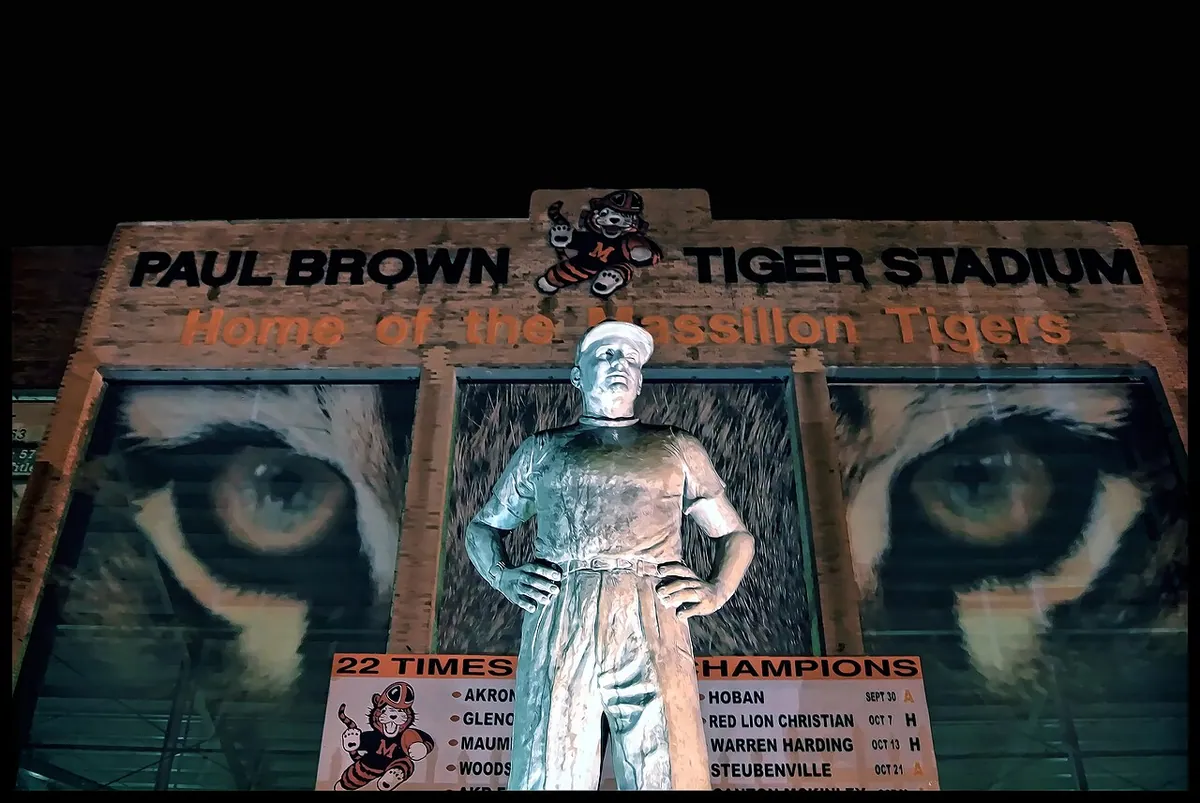
At Massillon, Brown developed many of his foundational coaching innovations. He created the playbook, a ring binder given to each player to memorize formations and plays. Brown began using hand signals to call plays from the sideline, a practice that evolved into a messenger system using guards. He also started grading players based on film study and required his team to stay in a hotel the night before games. The school built a new stadium in 1939, later renamed Paul Brown Tiger Stadium in his honor.
College and Military Coaching
In January 1941, Ohio State University hired the 33-year-old Brown as its head football coach, making him the youngest coach in Big Ten history at the time. His salary was $6,500. Brown immediately implemented his rigorous methods, drilling players and using the 40-yard dash to measure speed. His first Buckeyes team in 1941 finished with six wins in eight games. The team's only loss was to Northwestern University and its star quarterback, Otto Graham. The season ended with a 20-20 tie against Michigan. In 1942, Brown guided Ohio State to its first national championship. The team, featuring players like Bill Willis, Dante Lavelli, and Les Horvath, won the Western Conference and finished atop the AP Poll. The 1943 season was difficult due to wartime player losses, resulting in a 3-6 record. Brown's three-year college coaching record was 18-8-1. In 1944, Brown was commissioned as a lieutenant in the U.S. Navy and served as head coach of the Great Lakes Naval Training Station Bluejackets. His 1944 team finished 9-2-1 and was ranked in the AP Poll top 20. While at Great Lakes, Brown had halfback Ara Parseghian as a player. In February 1945, while still in the Navy, Brown accepted an offer from Arthur B. McBride to coach the new Cleveland franchise in the All-America Football Conference. He finished his military service with the Bluejackets, compiling a 15-5-2 record over two seasons, including a 39-7 victory over Notre Dame in his final game.
Cleveland Browns Dynasty
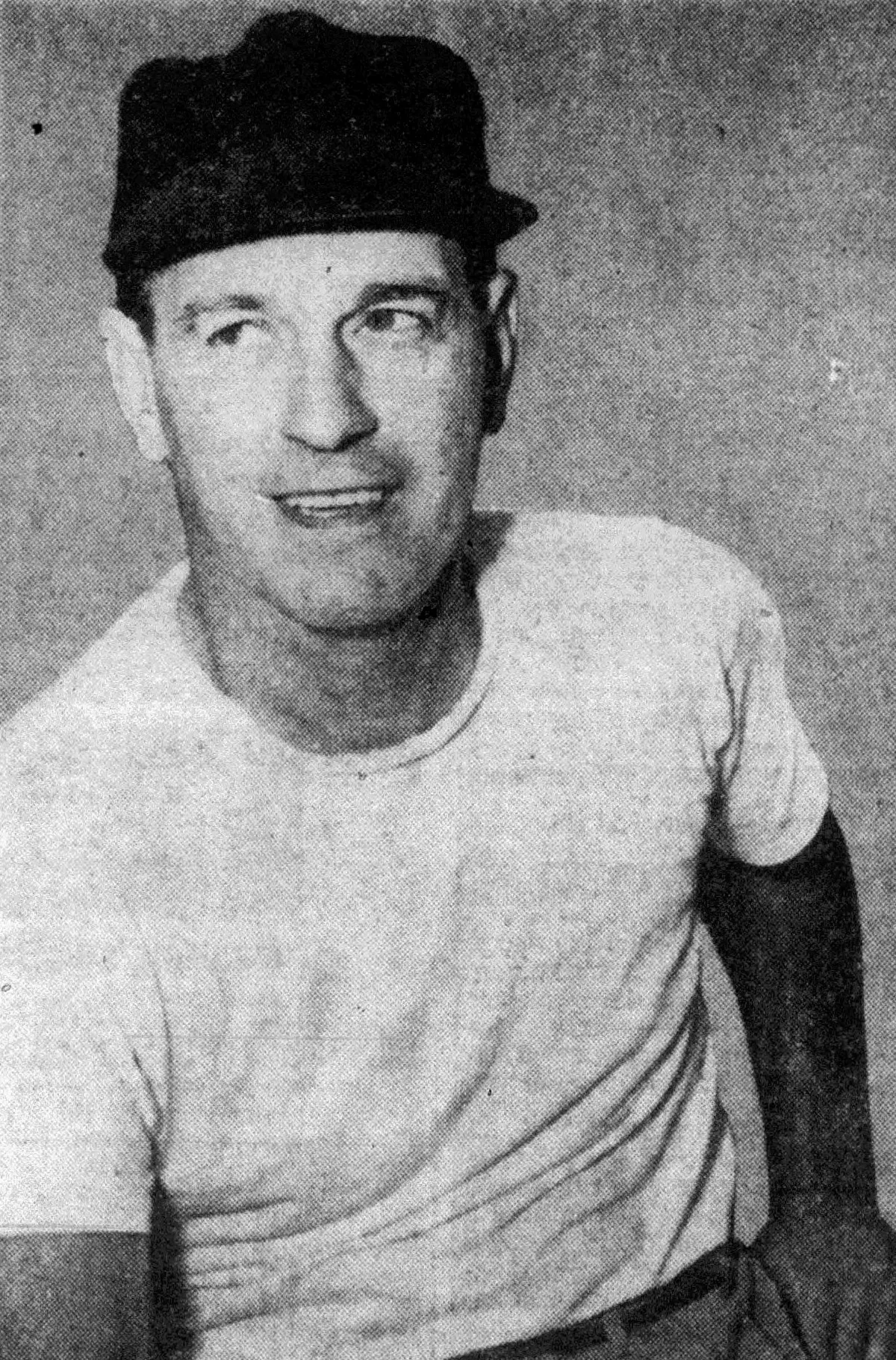
Paul Brown assembled the Cleveland Browns roster beginning in 1945, signing many players he had previously coached. Key acquisitions included quarterback Otto Graham, tackle and placekicker Lou Groza, receiver Dante Lavelli, center Frank Gatski, and receiver Mac Speedie. In 1946, Brown signed defensive lineman Bill Willis and running back Marion Motley, making them two of the first African-American players in professional football in the modern era. The team was named the Browns through a public contest, despite Brown's initial reluctance. The Browns played their first AAFC game in September 1946, defeating the Miami Seahawks 44-0 before a crowd of 60,135 at Cleveland Stadium. They finished their inaugural season with a 12-2 record and won the AAFC championship. Cleveland proceeded to win the AAFC title in each of the league's four years of existence. In the four AAFC seasons, the Browns lost just four games. When the AAFC dissolved, the Browns were absorbed into the NFL in 1950. They immediately won the NFL championship that year. Under Brown, the Browns played in the NFL championship game in each of their first six seasons in the league. They won NFL titles again in 1954 and 1955. Brown's regular season record with the Browns across both leagues was 167-53-8. He had only one losing season in 17 years with the franchise. A power struggle with new owner Art Modell, stemming from Brown's failure to consult on personnel decisions and his controlling style, led to his firing in January 1963.
Cincinnati Bengals Tenure
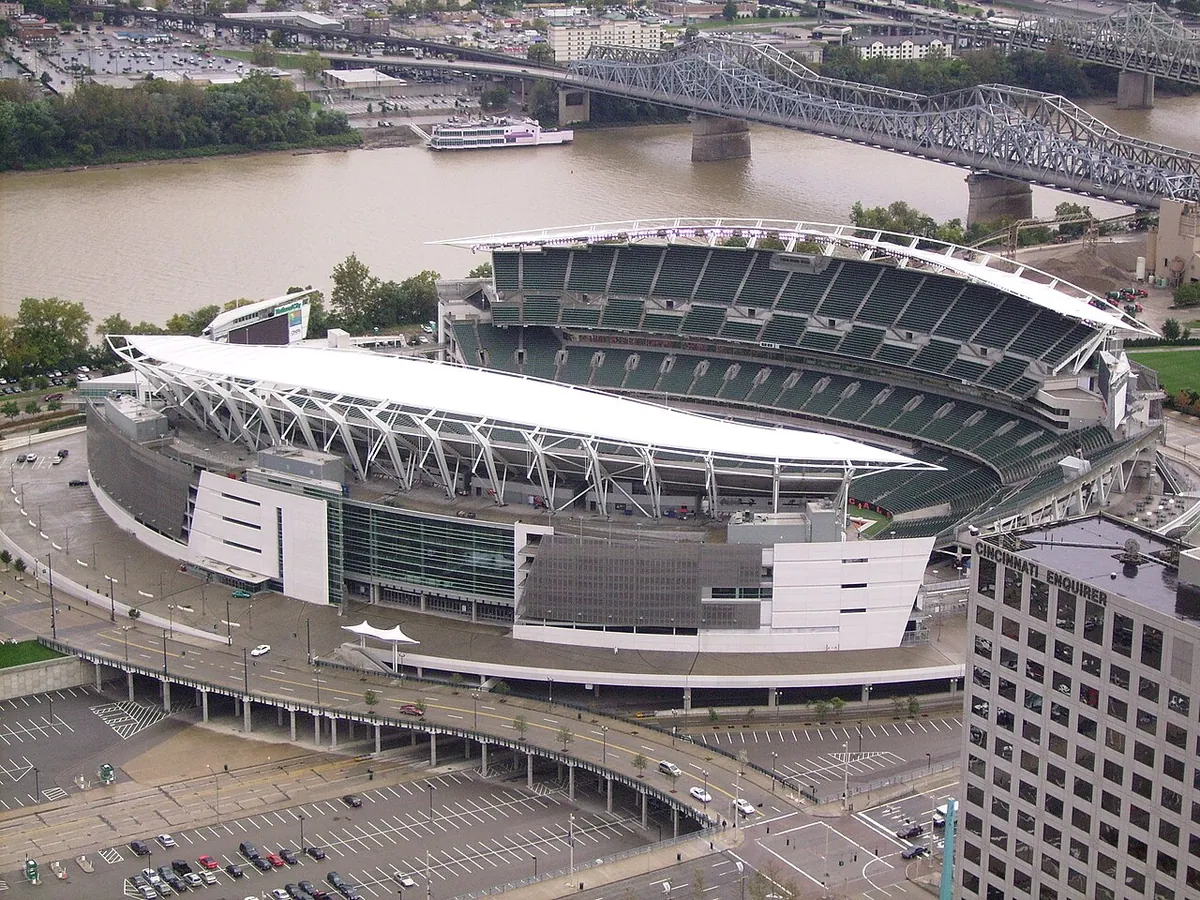
After a five-year hiatus from coaching, Paul Brown co-founded the Cincinnati Bengals in 1968. He served as the team's first head coach, general manager, and part-owner. In his time as head coach, Brown compiled a regular season record of 48-36-0 with the Bengals. He led the Bengals to two division championships. Brown retired from coaching after the 1975 season but remained as the Bengals' team president. He held that executive role until his death in 1991. The Bengals' home stadium, which opened in 2000 on the Cincinnati riverfront, was named Paul Brown Stadium in his honor.
Coaching Innovations and Influence
Paul Brown's systematic approach fundamentally changed football coaching. He was the first to hire a full-time, year-round staff of assistant coaches. Brown pioneered the extensive use of game film to scout opponents and to grade his own players' performance statistically. He introduced classroom instruction, requiring players to study detailed playbooks and take tests on the material. Brown also used standardized intelligence tests to evaluate players' learning potential. To control the game, he originated the practice of sending plays from the sideline, first with hand signals and later by using alternating guards as messengers. Brown placed an assistant coach in the press box to gather information, another now-standard practice. He is credited with inventing the draw play and developing the concept of a protected passing pocket for the quarterback. In 1954, he patented the modern football face mask. Brown also created the practice squad, a group of reserve players for developmental purposes. His integration of professional football in 1946 with the signings of Bill Willis and Marion Motley preceded Jackie Robinson's Major League Baseball debut by one year.
Coaching Tree and Honors
Numerous coaches who worked with or played for Paul Brown became successful head coaches, forming a prolific coaching tree. Ara Parseghian, a player at Great Lakes, later won national championships as head coach at Notre Dame. Brown received multiple Coach of the Year awards, including honors in 1957, 1969, and 1970. The Pro Football Hall of Fame inducted him in 1967. In April 2025, the NFL announced it would recognize All-America Football Conference records in its official history, moving Brown to seventh place on the league's all-time head coaching wins list. Brown achieved a unique distinction by winning a national championship as a head coach at the professional, college, and high school levels. His professional teams won a total of seven league championships.
Personal Life and Death
Brown was known for a strict, disciplined personality that extended beyond the field, often controlling players' off-season activities and study habits. This controlling nature contributed to his conflicts with Cleveland Browns owner Art Modell and some players. After retiring from coaching in 1975, Brown remained active as the Bengals' president. Brown was buried at Rose Hill Cemetery in Massillon, Ohio. His legacy is maintained through the Paul Brown Stadium in Cincinnati and Paul Brown Tiger Stadium in Massillon.
Video
FAQ
Who was Paul Brown?
Paul Brown was a foundational figure in American football as a coach and executive. He founded the Cleveland Browns, coaching them to four AAFC championships and three NFL titles. Brown later co-founded the Cincinnati Bengals and served as their first head coach. He was enshrined in the Pro Football Hall of Fame in 1967 for his innovations and championship success.
What teams did Paul Brown coach?
Paul Brown's head coaching career began at Severn School in Maryland from 1930 to 1931. He then coached at Massillon Washington High School in Ohio from 1932 to 1940. Brown was the head coach at Ohio State University from 1941 to 1943. He coached the Great Lakes Naval Training Station team in 1944 and 1945. His professional career consisted of leading the Cleveland Browns from 1946 to 1962 and the Cincinnati Bengals from 1968 to 1975.
How many championships did Paul Brown win?
Paul Brown's teams won seven professional league championships, all with the Cleveland Browns. His teams won every All-America Football Conference title from 1946 through 1949. After joining the NFL, the Browns won championships in 1950, 1954, and 1955 under his leadership. He also won a college national championship with Ohio State in 1942 and multiple state and national titles at the high school level in Massillon.
What are Paul Brown's most important innovations?
Paul Brown introduced the use of game film for opponent scouting and player grading. He created the playbook and implemented classroom testing for players. Brown was the first to call plays from the sideline using a messenger system. He invented the draw play, developed the practice squad concept, and patented the modern face mask in 1954. Brown also hired the first full-time coaching staff and broke pro football's color barrier by signing African-American players in 1946.
When and how did Paul Brown die?
Paul Brown died on August 5, 1991, in Cincinnati, Ohio. He was 82 years old. At the time of his death, he was still serving as the president of the Cincinnati Bengals, a role he held after retiring from coaching in 1975. He was buried in Rose Hill Cemetery in Massillon, Ohio.
Why is Paul Brown significant for integrating football?
Paul Brown significantly advanced the integration of professional football. In 1946, he signed defensive lineman Bill Willis and running back Marion Motley to the Cleveland Browns. This made them two of the first African-American players in professional football in the modern era, occurring one year before Jackie Robinson broke the color barrier in Major League Baseball. Both Willis and Motley were later inducted into the Pro Football Hall of Fame.
Sources
- Paul Brown (Wikipedia) Wikipedia
- Paul Brown Pro Football Hall of Fame
- Paul Brown Cincinnati Bengals, bengals.com bengals.com
- Paul Brown Bio, Norwalk, Ohio norwalkoh.com
- Coach Paul E. Brown massillontigers.com
- From the Stacks: Paul Brown and the Cradle of Coaches spec.lib.miamioh.edu