Deflategate was a National Football League controversy that emerged during the AFC Championship Game for the 2014 season, played on January 18, 2015. The scandal involved the allegation that New England Patriots quarterback Tom Brady ordered the deliberate deflation of game footballs used against the Indianapolis Colts on January 18, 2015. An NFL investigation concluded it was more probable than not that Patriots equipment staff deflated balls and that Brady was generally aware of the actions. The scandal resulted in a four-game suspension for Brady, a $1 million fine for the Patriots, and the loss of two draft selections in 2016. The legal and public relations battle lasted nearly two years, becoming one of the most discussed episodes in modern NFL history. The entire saga lasted from January 18, 2015, until Brady's reinstatement on October 9, 2016.
Origins and Rule Background
The Deflategate scandal involved NFL rules regarding game footballs. League rules required footballs to be inflated to a gauge pressure between 12.5 and 13.5 pounds per square inch when measured by game officials. The rules did not specify the temperature for measurement, which is significant due to the ideal gas law showing pressure drops in colder temperatures. Before 2006, the home team provided all game footballs. A 2006 rule change, advocated for by quarterbacks like Tom Brady and Peyton Manning, allowed each team to use its own footballs on offense. This gave quarterbacks control over footballs that suited them, as removing air from a football makes it easier to grip, throw, and catch. Prior to the AFC Championship Game, the Indianapolis Colts had notified the NFL of suspicions that the Patriots might be using underinflated balls. According to the NFL investigation, this suspicion was based on the Colts Week 11 game against the Patriots in Indianapolis, where intercepted footballs appeared spongy or soft when squeezed.
The AFC Championship Game Incident
The incident unfolded during the AFC Championship Game on January 18, 2015, with the Patriots hosting the Colts. In the second quarter, Colts linebacker D'Qwell Jackson intercepted a pass from Tom Brady. Jackson later stated he did not notice anything wrong with the ball and was unaware of the controversy until after the game, but a Colts equipment staffer found it felt soft. The Colts notified NFL officials of a potential issue with the Patriots' football inflation levels. At halftime, NFL officials conducted a rushed inspection of the game balls. The officials reinflated the Patriots' balls to regulation for the second half. The Patriots, who led 17-7 at halftime, scored 28 points in the second half to win the game 45-7 and advance to Super Bowl XLIX. No issues were raised about the football pressure in the second half of the game.
The NFL Investigation and Wells Report
The NFL hired attorney Ted Wells to lead an investigation, which resulted in a 243-page report released on May 6, 2015. Wells had previously worked with the NFL on the Miami Dolphins bullying scandal. The report cited text messages between McNally and Jastremski that discussed deflation, needles, and gifts from Brady, with McNally referring to himself as the deflator in a text from May 2014. It further concluded that Tom Brady was at least generally aware of the inappropriate activities, though it found head coach Bill Belichick and other coaching staff were not involved. The report relied on scientific analysis from the Exponent consulting firm and physicist Daniel Marlow, which argued that studied environmental or physical factors could not completely account for the pressure loss. The investigation also reviewed surveillance video showing McNally taking the game balls into a restroom for approximately 90 seconds. The report stated that the equipment personnel would not have personally and unilaterally engaged in such conduct without Brady's awareness and consent.
Scientific and Physics Arguments
The scientific debate was a core component of the Deflategate controversy. The Wells Report's physics argument, based on experiments and modeling by Exponent, alleged that no credible environmental factors fully explained the additional pressure loss in the Patriots' footballs compared to the Colts'. Factors considered included temperature changes, ball wetness, pre-game rubbing, and gauge measurement errors. The ideal gas law dictates that footballs inflated in a warm environment will lose pressure in the cold, but the report argued the balls would have partially repressurized in the warm locker room before halftime testing. The report detailed measurements taken with two different gauges, one with a Wilson logo and one without. The non-logo gauge was determined to be accurately calibrated and was believed to have been used for pregame checks. Measurements from the non-logo gauge showed significant deflation. Critics, including a group of nearly two dozen engineering and physics professors, argued the pressure drop was a natural phenomenon explained by basic science. They noted that the NFL's own subsequent league-wide spot-checks in the 2015 season, which were later deleted, reportedly showed similar deflation in cold weather conditions. HeadSmart Labs found that similar weather changes could cause an average 1.8 psi drop in football pressure. The specific halftime pressure measurements for the Patriots' footballs were recorded by two officials.
| Patriots Ball Number | Pressure (Blakeman Gauge) | Pressure (Prioleau Gauge) |
|---|---|---|
| 1 | 11.50 psi | 11.80 psi |
| 2 | 10.85 psi | 11.20 psi |
| 3 | 11.15 psi | 11.50 psi |
| 4 | 10.70 psi | 11.00 psi |
| 5 | 11.10 psi | 11.45 psi |
| 6 | 11.60 psi | 11.95 psi |
| 7 | 11.85 psi | 12.30 psi |
| 8 | 11.10 psi | 11.55 psi |
| 9 | 10.95 psi | 11.35 psi |
| 10 | 10.50 psi | 10.90 psi |
| 11 | 10.90 psi | 11.35 psi |
NFL Penalties and Team Response
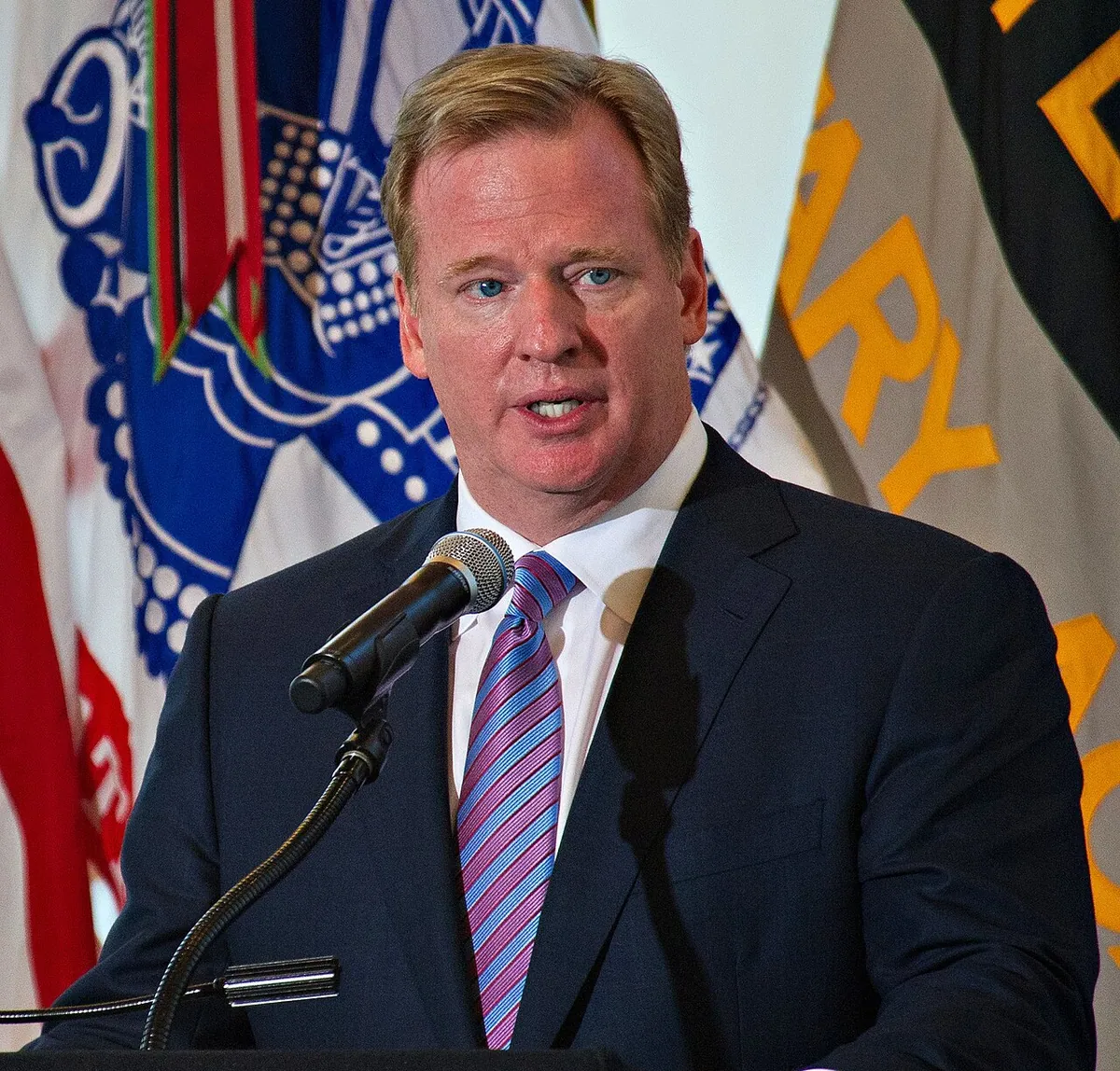
On May 11, 2015, NFL Commissioner Roger Goodell announced penalties based on the Wells Report. Tom Brady was suspended without pay for the first four games of the 2016 regular season. Patriots owner Robert Kraft agreed not to appeal the fine or draft pick loss. Brady and the Patriots organization initially denied any wrongdoing, with Brady calling the accusations ridiculous in a January 22 press conference. Head coach Bill Belichick stated he was shocked to hear the news reports and had no knowledge of the situation until the morning after the game. Brady refused the investigators' request to review his text and email communications and later destroyed his cell phone, which the league cited as evidence of non-cooperation.
Legal Timeline and Court Battles
The penalties triggered a complex legal fight that extended the scandal. Brady and the NFL Players Association filed an appeal of his suspension, which Commissioner Roger Goodell personally heard and upheld in late July 2015. Brady then filed a federal lawsuit against the league in the U.S. District Court for the Southern District of New York. Judge Richard M. Berman overturned the suspension, allowing Brady to play the entire 2015 season. Judge Berman found that Brady did not receive sufficient notice of the severity of the potential discipline. The NFL appealed to the U.S. Court of Appeals for the Second Circuit, which reinstated the four-game suspension in April 2016. The court emphasized the great deference given to arbitrators' decisions under labor law, as established in cases like the Steelworkers Trilogy. He was reinstated as the starting quarterback on October 9, 2016, in a game against the Cleveland Browns, concluding the active events of Deflategate after a timeline of 544 days.
Key Figures and Their Roles
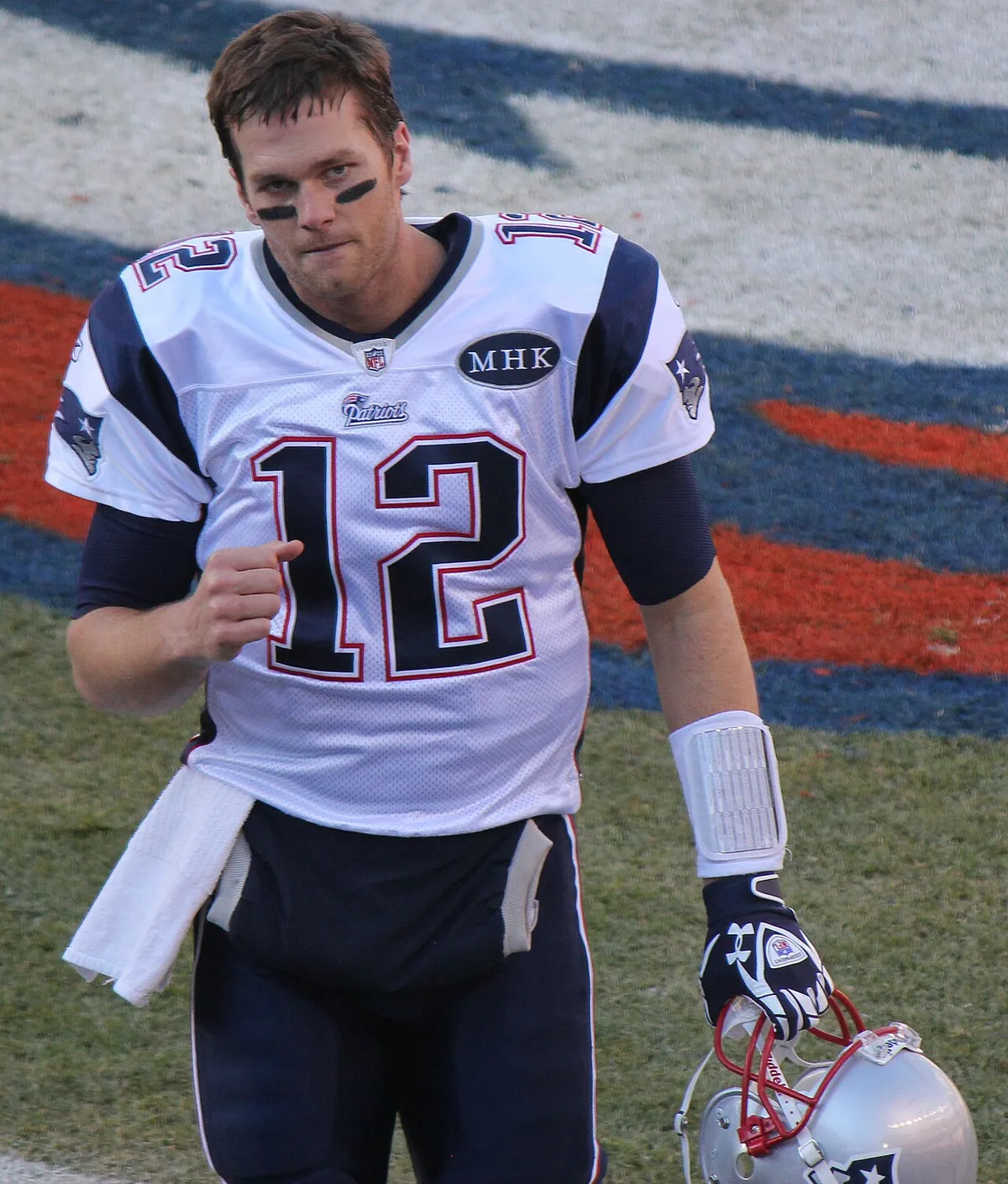
Several individuals played central roles in the Deflategate saga from its inception through the legal proceedings. Tom Brady was the Patriots quarterback accused of being generally aware of ball deflation, with investigators citing his preference for softer balls and his communication with equipment staff. Bill Belichick was the Patriots head coach who was not found culpable but gave a memorable press conference discussing football science. Roger Goodell was the NFL Commissioner who issued the penalties and oversaw the league's prosecution of the case. Ted Wells was the Manhattan attorney hired by the NFL to lead the independent investigation that produced the Wells Report. Jim McNally was the Patriots locker room attendant labeled the deflator in text messages, who was seen on video taking game balls into a restroom. John Jastremski was the Patriots equipment assistant who exchanged text messages with McNally about football pressure and gifts from Brady. D'Qwell Jackson was the Colts linebacker whose interception in the AFC Championship Game initiated the chain of events. Walt Anderson was the referee for the game who gauged the footballs before the game but did not log the pressures.
The controversy also involved numerous scientists, lawyers, and judges whose arguments over physics and labor law extended the case for nearly two years. Key legal figures included Judge Berman, who initially vacated the suspension, and the Second Circuit judges who reinstated it. The NFL's general counsel, Jeff Pash, was later reported to have ordered the deletion of the 2015 spot-check data. The league spent about $22 million to prosecute the scandal according to reports.
Aftermath, Repercussions, and Legacy
Tom Brady returned from his suspension on October 9, 2016, in a game against the Cleveland Browns. The Patriots finished the 2016 season and won Super Bowl LI, with Brady named Super Bowl MVP. The NFL implemented new procedures for monitoring football pressure, conducting air pressure spot-checks during halftime of games. The league abandoned this spot-check study midseason and never released its findings. In February 2022, sportswriter Mike Florio reported that the NFL had deleted data from its 2015 spot-checks that showed similar deflation in cold weather conditions, on orders from NFL general counsel Jeff Pash. The scandal remains a polarizing topic, with many viewing it as an overblown controversy based on flawed science and league mismanagement, while others see it as evidence of a pattern of rule-breaking by the Patriots following the 2007 Spygate incident. Deflategate cemented the rivalry between the Patriots and the NFL league office and sparked lasting debates about competitive integrity, the commissioner's power, and the application of scientific principles in sports regulations. The phrase more probable than not and the concept of being generally aware entered the sports lexicon as a result of the Wells Report's conclusions.
Video
FAQ
Which Super Bowl was involved in Deflategate?
The Deflategate incident occurred in the AFC Championship Game on January 18, 2015, which determined who would advance to Super Bowl XLIX. The New England Patriots won that game 45-7 over the Indianapolis Colts and advanced to Super Bowl XLIX. The scandal did not directly involve a Super Bowl game itself, but the controversy overshadowed the Patriots' preparation and victory in that championship. The Patriots also won Super Bowl LI the season after Brady served his suspension, with Brady earning MVP honors.
How many games was Tom Brady suspended for?
Tom Brady was suspended for the first four games of the 2016 NFL regular season. The suspension was originally set for the 2015 season but was overturned in federal court, allowing Brady to play that full year. After the NFL won an appeal, the suspension was reinstated and served at the start of the 2016 season. Brady missed the first four games before returning in Week 5. The Patriots used backup quarterbacks Jimmy Garoppolo and Jacoby Brissett during his absence.
Did Tom Brady know about the deflated footballs?
The NFL's Wells Report concluded it was more probable than not that Tom Brady was at least generally aware that Patriots equipment staff Jim McNally and John Jastremski were involved in a scheme to deflate game balls. The report cited circumstantial evidence like text messages discussing deflation and gifts for McNally. Brady consistently denied any knowledge or involvement and destroyed his cell phone during the investigation, which the league cited as evidence of non-cooperation. The question of his awareness became the central disputed fact in the scandal and the subsequent legal proceedings, with no direct evidence like a video or explicit instruction ever presented.
Was Bill Belichick involved in Deflategate?
The Wells Report explicitly concluded that New England Patriots head coach Bill Belichick, other coaches, and team management were not involved in or aware of the deflation of game footballs. The investigation focused solely on equipment staff and Tom Brady. Belichick publicly stated he had no knowledge of the situation until the day after the AFC Championship Game and gave a detailed press conference discussing the science of football pressure and temperature. Despite his exoneration in the report, the scandal occurred in the shadow of the 2007 Spygate incident, which kept Belichick's reputation for rule-bending in the public eye.
What were the scientific arguments in Deflategate?
The scientific debate centered on whether the measured low pressure in the Patriots' footballs could be explained by natural causes. The NFL's consultants argued environmental factors like cold weather could not fully account for the pressure loss. Critics, including many independent scientists, pointed to the ideal gas law, which states gas pressure drops in colder temperatures, as a complete explanation. They argued the NFL's investigation ignored basic physics, and the league's own later spot-checks in 2015, whose data was deleted, reportedly supported the natural deflation theory. The Wells Report's scientific analysis, conducted by Exponent, concluded that no studied set of credible environmental or physical factors completely accounted for the pressure loss measured at halftime.
What was the outcome of the Deflategate investigation for the New England Patriots?
The New England Patriots were fined $1 million and forfeited two draft selections in 2016 as a result of the Deflategate investigation. The team lost a first-round draft pick among these selections. These penalties were part of the NFL's disciplinary actions alongside the suspension of quarterback Tom Brady. The controversy also led to rule changes, including the implementation of air pressure spot-checks during halftime of games.
Sources
- Deflategate (Wikipedia) Wikipedia
- Deflategate | Sports and Leisure | Research Starters | EBSCOhost ebsco.com
- Deflategate 10 years later: Was it an actual scandal or an absurd comedy? Yahoo Sports
- Deflategate and the National Football League, Case, Faculty & Research hbs.edu
- Legal Fumble? Deflategate and the Law bostonbar.org
- Patriots Deflategate Story | ProFootball Sidekick profootballsidekick.com