These mascots, introduced in 1998, participate in the team's game day festivities and community appearances. The Ravens also feature a unique co-ed cheerleading squad, established in 1998, which performs dance routines and stunts at M&T Bank Stadium. Fan culture is further defined by traditions like the official fight song, The Baltimore Fight Song, creating a distinctive atmosphere at home games. The Baltimore Ravens mascots are three costumed ravens named Edgar, Allan, and Poe, a direct reference to the 19th century writer Edgar Allan Poe who lived and is buried in Baltimore. The mascots first hatched in 1998, two years after the team's establishment. The team name itself was chosen through a fan contest in 1996 where over 33,000 votes were cast, with Ravens winning decisively over options like Marauders and Americans. Poe is one of the three mascots that interacts with fans and leads cheers during games. Edgar and Allan also make regular appearances, with all three available for community and private events through the team's official mascot appearance program.
The Ravens Mascots: Edgar, Allan, and Poe
In addition to the costumed characters, the Ravens have a pair of live ravens named Rise and Conquer. These brother birds hatched on April 16, 2009, in Alabama and make occasional special appearances, often featured on the stadium's video boards. The mascots have become ingrained in team activities, with Poe even being placed on a mock injured reserve list after an incident during a preseason mascot football scrimmage. The trio's names and the team's identity are forever linked to Baltimore's literary history, creating a unique branding element in the NFL. Fans can purchase official merchandise featuring the mascots, such as a Poe Funko Pop vinyl figure.
- The mascots Edgar, Allan, and Poe debuted in 1998.
- The team name Ravens was chosen by fan vote in 1996, receiving 21,108 votes.
- The live ravens, Rise and Conquer, hatched on April 16, 2009.
- Poe is available for appearances at a rate of 250 dollars per half-hour for private events.
- The mascots visit local hospitals, such as a visit by Poe to MedStar Harbor Hospital.
- A Poe Funko Pop vinyl figure is sold as official team merchandise.
Baltimore Ravens Cheerleaders
The Baltimore Ravens Cheerleaders are a co-ed squad founded in 1998, the same year the mascots debuted. The squad consists of 48 total members, with 28 female dancers and 20 male stunt team performers. This structure is similar to only a few other NFL squads like those of the Seattle Seahawks, Tennessee Titans, and Washington Commanders. The female members perform dance routines while the male members focus on the acrobatic stunts traditional in cheerleading. The squad performs at all Ravens home games at M&T Bank Stadium and makes numerous appearances at corporate functions and community events throughout the year. The squad also runs a Lil Ravens summer program that is open to both boys and girls. The team also operated a separate promotional squad known as the Baltimore Ravens Playmakers, which consisted of 18 female members who engaged with fans and raffled tickets at events before the program was retired. Notable former cheerleaders include WWE alum Stacy Keibler, who was a member from 1998 to 2000.
- The cheerleading squad was established in 1998 with 48 total members.
- Squad director Tina Galdieri cheered at the 1996 Summer Olympics.
- The squad includes a Lil Ravens summer program for children.
- The retired Playmakers promotional squad had 18 female members.
- Former cheerleader Stacy Keibler was a member from 1998 to 2000.
- The female members of the squad have produced a swimsuit calendar, including a 2012 edition shot in the Bahamas.
Fan Culture and Traditions
Baltimore Ravens fans are known for their support at M&T Bank Stadium. The fan base developed a strong identity quickly after the team's arrival in 1996, partly due to the city's longing for an NFL team following the departure of the Colts in 1984. A defining visual tradition is the sea of purple and black worn by nearly all attendees on game days, reflecting the team's colors of purple, black, and metallic gold. The stadium is loud during games, and the team has had historical defensive prowess since the 2000 season.
One of the fan traditions is the adoption of a popular chant. A distinctive chant is played over the stadium speakers and chanted by the crowd, especially after big plays or defensive stops. Tailgating in the lots around M&T Bank Stadium is a major pre-game ritual. The team has honored its connection to Edgar Allan Poe, with players and cheerleaders having participated in readings of The Raven for public broadcasts.
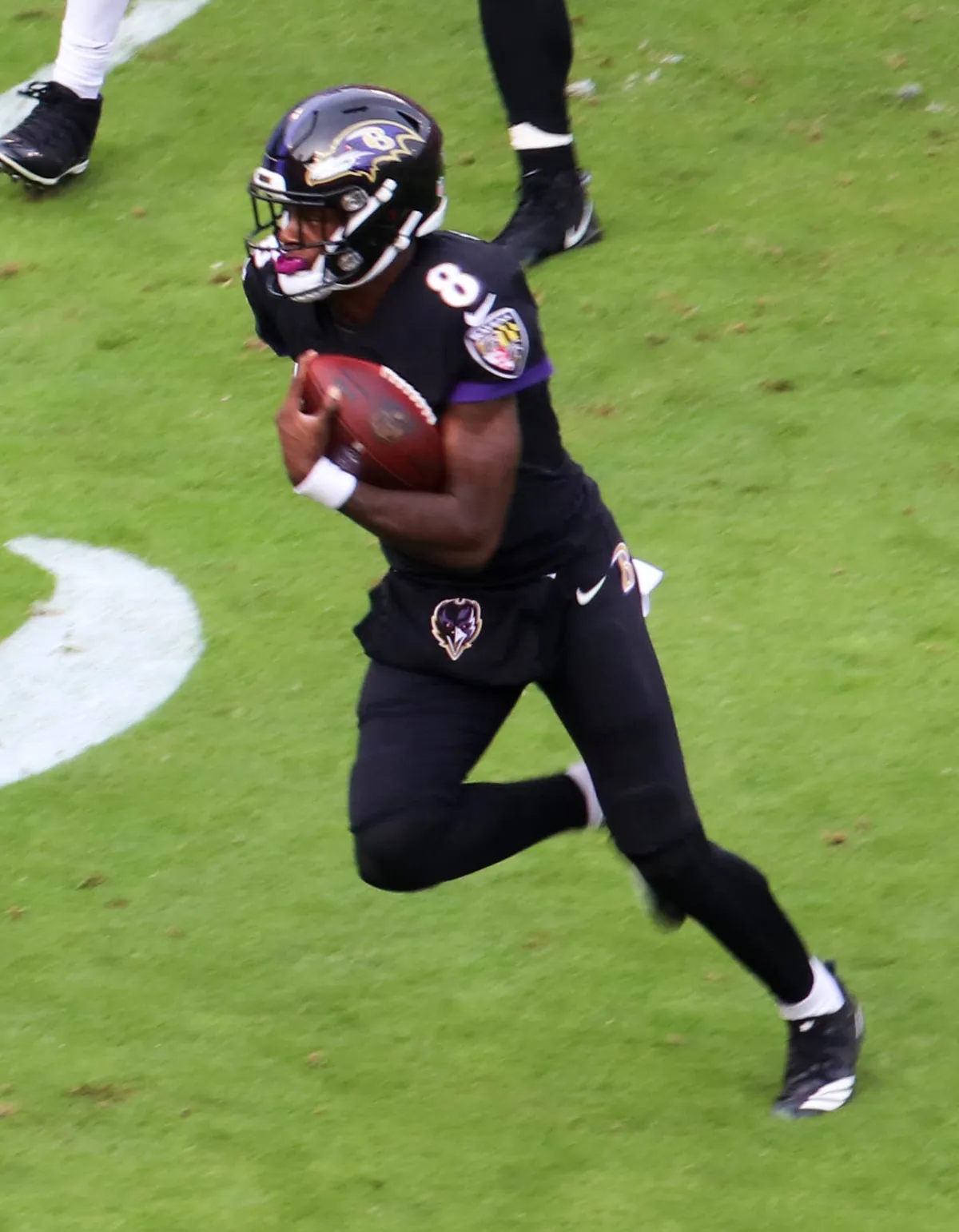
Fight Song and Game Day Atmosphere
The official fight song of the Baltimore Ravens is The Baltimore Fight Song. The fight song is played to rally the crowd. A marching band performs pre-game and during halftime, adding a classic football pageantry element to the game day experience. The fight song, band music, and cheers from the cheerleading squad contribute to the home game experience.
The in-stadium experience at M&T Bank Stadium includes various elements to engage fans. The mascots Edgar, Allan, and Poe roam the sidelines and stands, interacting with fans and leading cheers. The video boards feature the live ravens, Rise and Conquer, and other content during games. The cheerleaders perform choreographed routines on the field and on platforms in the stands to keep energy levels high. Since the 1999 season, the Ravens have developed a strong home-field advantage at M&T Bank Stadium.
Community Involvement and Appearances
Both the Ravens mascots and the cheerleading squad are heavily involved in the Baltimore community throughout the year. The mascots Edgar, Allan, and Poe are available for paid appearances at schools, nonprofit events, and private functions. Appearance fees for the mascots are listed, such as $100 per hour for schools and $250 per half-hour for private events. These appearances often include photo opportunities, high-fives, and helping to promote the team and its community initiatives.
The Baltimore Ravens Cheerleaders also maintain a busy schedule of community engagements beyond their game day duties. The squad's Lil Ravens program introduces children to cheerleading and dance. The former promotional squad, the Playmakers, were also involved in community appearances before the program was retired. This extensive community outreach helps build the bond between the team and its fan base, extending the Ravens' brand and spirit beyond the confines of the football season.
Historical Context and Team Identity
The Ravens' unique mascots and fan traditions are connected to the circumstances of the franchise's creation. The team moved from Cleveland to Baltimore in 1996, but as part of a legal settlement, the Browns' name, colors, and history remained in Cleveland. This meant the new Baltimore franchise needed a completely fresh identity. The fan contest to choose the name in 1996 provided that opportunity, directly linking the team to a beloved Baltimore literary figure. The choice of Ravens over names like Marauders and Americans immediately gave the team a distinctive and locally significant personality.
The introduction of the Edgar, Allan, and Poe mascots in 1998 further cemented this literary connection in a tangible, fan-friendly way. The establishment of the co-ed cheerleading squad that same year added another layer to the game day experience. Together, these elements helped the new team build its own traditions. The fight song, the colors, and the mascots all worked to create a new identity for football in Baltimore.
- The Ravens relocated from Cleveland to Baltimore in 1996.
- A 1996 fan contest with over 33,000 voters selected the name Ravens.
- Other names considered in the poll included Marauders and Americans.
- The costumed mascots were introduced two years later in 1998.
- The cheerleading squad was also founded in 1998.
- The team's identity was built anew after the Cleveland Browns' history was left behind.
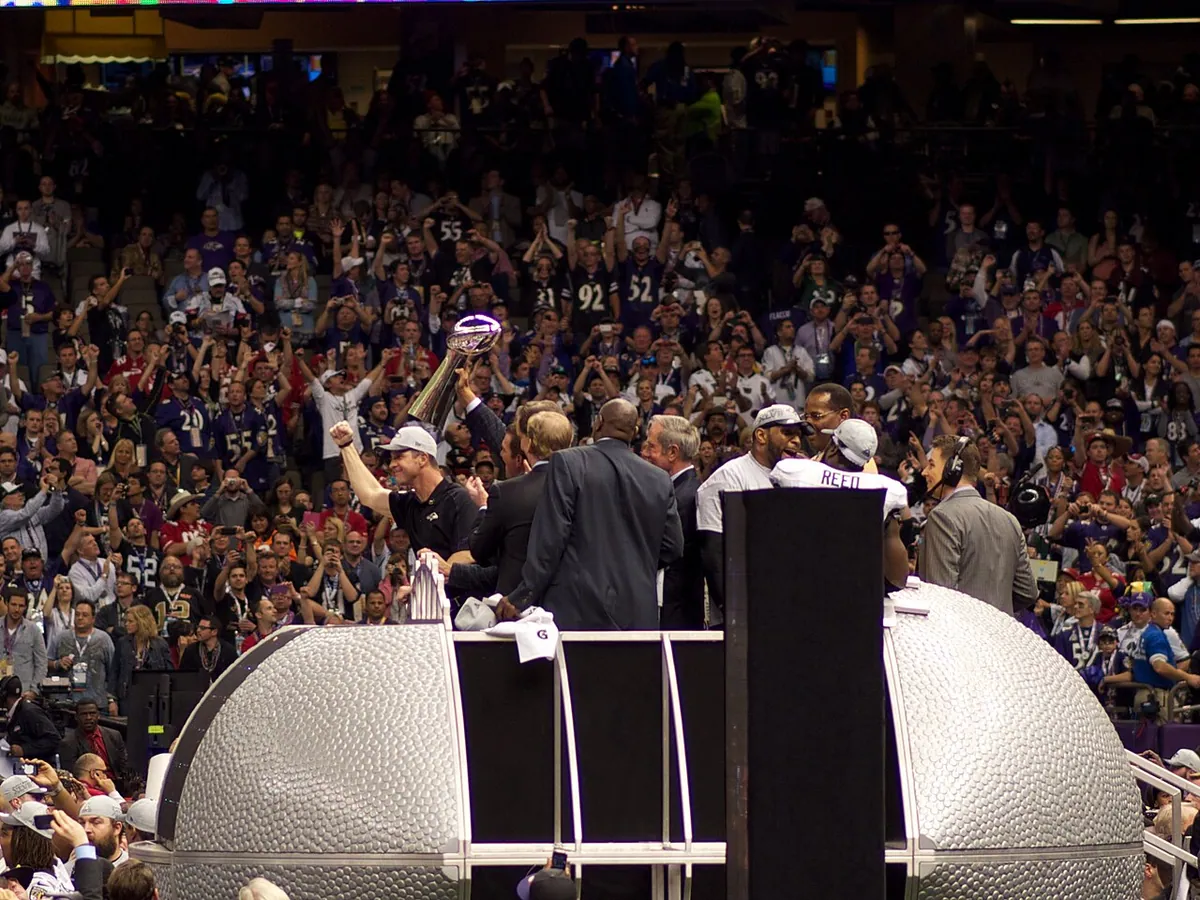
Video
FAQ
What are the names of the Baltimore Ravens mascots?
The Baltimore Ravens have three costumed mascots named Edgar, Allan, and Poe. They are named after the famous poet Edgar Allan Poe, whose poem The Raven inspired the team's name. These mascots debuted in 1998 and are a constant presence at games and community events. The team also has a pair of live ravens named Rise and Conquer that make special appearances.
Do the Baltimore Ravens have cheerleaders?
Yes, the Baltimore Ravens have a co-ed cheerleading squad that was founded in 1998. The squad consists of 48 total members, with 28 female dancers and 20 male stunt team performers. They perform at all home games at M&T Bank Stadium and participate in numerous community events throughout the year. The squad is directed by Tina Galdieri, who has an extensive background in cheerleading.
How did the Ravens get their name?
The Ravens got their name through a fan contest conducted in 1996. Over 33,000 people voted on potential names for the new Baltimore NFL franchise. The name Ravens won with 21,108 votes, beating out other options like Marauders and Americans. The name was chosen to honor Edgar Allan Poe, the author of the poem The Raven, who lived and is buried in Baltimore.
What are the names of the Baltimore Ravens' live raven mascots?
The Baltimore Ravens' live raven mascots are named Rise and Conquer. They are two brother birds who hatched from the same clutch on April 16, 2009, in Alabama. The team has had these live ravens since 2009, complementing their famous costumed mascots. The live birds are part of the team's mascot presentation, which honors the literary inspiration behind the team's name.
Who is the director of the Baltimore Ravens Cheerleaders?
The director of the Baltimore Ravens Cheerleaders is Tina Galdieri. She has an extensive background in cheerleading, having cheered at the 1996 Summer Olympics in Atlanta and for the Barcelona Dragons of the World League of American Football. Galdieri also led the University of Maryland's cheerleading squad to a national championship in 1999. Under her direction, the co-ed squad performs at M&T Bank Stadium and consists of 48 members, with 20 on the stunt team and 28 dancers.
When did the Baltimore Ravens mascots Edgar, Allan, and Poe make their debut?
The costumed mascots Edgar, Allan, and Poe made their debut in 1998. They were introduced shortly after the team's establishment and naming. Poe is one of the three mascots. These mascots were 'hatched' as part of the team's efforts to engage with the community and honor the Edgar Allan Poe poem that inspired the team's name.
Sources
- Baltimore Ravens Cheerleaders (Wikipedia) Wikipedia
- Baltimore Ravens (Wikipedia) Wikipedia
- MPT: Knowing Poe: The Poe Library: News: The Baltimore Ravens knowingpoe.thinkport.org
- nflverse game, roster and draft data nflverse (CC BY 4.0)