The principal owner of the Los Angeles Rams is billionaire businessman Stan Kroenke, who has held sole ownership since 2010. The Rams have had six principal owners throughout their history, beginning with founder Homer Marshman in 1936. Ownership transitions have often influenced the franchise's geographic moves and its periods of competitive success, including NFL championships in Cleveland, St. Louis, and Los Angeles. Stan Kroenke is the chairman and sole owner of the Los Angeles Rams, a position unanimously approved by NFL owners in 2010. His acquisition of the team for approximately $750 million followed a strategic path that began over a decade earlier. Kroenke first entered the Rams' ownership structure in 1995 by purchasing a 40% minority stake for $80 million, a move that was instrumental in relocating the franchise from Los Angeles to St. Louis. This initial investment included a right-of-first-refusal clause, allowing him to match any future offer for the remaining team shares. Upon the death of majority owner Georgia Frontiere in 2008, her children Chip Rosenbloom and Lucia Rodriguez decided to sell. Under Kroenke's leadership, the Rams returned to Los Angeles for the 2016 season, a move he spearheaded after acquiring land in Inglewood for a new stadium. His significant capital project is SoFi Stadium, a venue that opened in 2020 and hosted the Rams' Super Bowl LVI victory. Kroenke's sports empire, Kroenke Sports & Entertainment, also includes Arsenal FC, the Denver Nuggets, and the Colorado Avalanche, among other holdings.
Historical Timeline of Rams Ownership
The Los Angeles Rams franchise has experienced six principal owners since its founding in Cleveland in 1936. Each ownership era is defined by key decisions regarding location, stadiums, and competitive direction. The transitions between owners have sometimes been dramatic, involving franchise swaps and inheritances that shaped the team's identity. The following list details each owner and their tenure.
- Homer Marshman (1936 to 1941): The franchise's founding principal owner who, with Damon Wetzel, established the Cleveland Rams. He sold the team to Dan Reeves for $100,000.
- Robert Irsay (1972): Briefly owned the Rams in 1972 after purchasing the franchise for $19 million, then immediately traded it to Carroll Rosenbloom for the Baltimore Colts.
- Carroll Rosenbloom (1972 to 1979): Acquired the Rams in the unique franchise swap with Irsay. He oversaw a period of consistent NFC West dominance before his death in 1979.
- Chip Rosenbloom & Lucia Rodriguez (2008 to 2010): The children of Georgia Frontiere became majority owners upon her death. They sold the remaining stake to Stan Kroenke in 2010.
Ownership and Franchise Relocations
Critical decisions by Rams owners have directly caused all three of the franchise's major city changes. Dan Reeves initiated the first move, relocating the team from Cleveland to Los Angeles in 1946 after the 1945 NFL championship season. This move was contentious, as other NFL owners initially denied the request, but Reeves threatened to leave the league altogether. The relocation made the NFL the first coast-to-coast professional sports league and came with the historic condition of integrating the team to secure a lease at the Los Angeles Memorial Coliseum. Kroenke had previously attempted to bring an NFL expansion team back to St. Louis in 1993, named the St. Louis Stallions. The most recent relocation was orchestrated by Kroenke himself after he gained full ownership.
Purchase Prices and Franchise Valuation
The financial trajectory of the Rams franchise reflects the soaring value of NFL teams and the impact of strategic market moves. The team's first sale in 1941 saw Dan Reeves acquire it from Homer Marshman for $100,000. In 1972, Robert Irsay purchased the franchise for $19 million before the swap with Carroll Rosenbloom. The most significant transactions involve Stan Kroenke. His initial entry as a 40% minority owner in 1995 cost $80 million. When he exercised his right to purchase the remaining shares from the Rosenbloom family in 2010, the deal was worth about $750 million, giving him sole ownership. This purchase was a matching bid against other suitors, including Illinois businessman Shahid Khan. Under Kroenke's ownership, and particularly after the move to Los Angeles and the opening of SoFi Stadium, the team's value has increased significantly. As of August, Forbes estimates the Los Angeles Rams have an estimated value of $10.5 billion.
Family Succession and the Rosenbloom Era
The most notable period of family ownership in Rams history followed the death of Carroll Rosenbloom in 1979. Rosenbloom had acquired the team in 1972 and built a contender that reached its first Super Bowl at the end of the 1979 season. His widow, Georgia Frontiere, inherited 70% control of the franchise and assumed total control of Rams operations, firing stepson Steve Rosenbloom. Frontiere's tenure lasted nearly 30 years and included two major decisions: moving the team from the Los Angeles Memorial Coliseum to Anaheim Stadium in 1980 to address blackout issues, and later approving the relocation to St. Louis in 1995. Chip Rosenbloom, known as a writer and producer in the film world, served as majority owner for three years before he and his sister decided to sell. This led to Stan Kroenke's full acquisition in 2010, ending over three decades of ownership by the Rosenbloom and Frontiere family.
Stan Kroenke's Broader Sports Empire
Stan Kroenke's ownership of the Rams is part of a vast global sports and entertainment portfolio under Kroenke Sports & Entertainment. Founded in 1999, this holding company manages one of the most extensive collections of professional teams in the world. In addition to the Rams, Kroenke owns Arsenal Football Club in the English Premier League, the Denver Nuggets of the NBA, the Colorado Avalanche of the NHL, and the Colorado Rapids of MLS. This multi-sport ownership has yielded significant success, with his teams winning championships across leagues, including the Rams' Super Bowl LVI, the Avalanche's Stanley Cups, and the Nuggets' NBA title. A key aspect of his model is vertical integration, owning the venues his teams play in. Beyond SoFi Stadium, his properties include Emirates Stadium in London, Ball Arena in Denver, and Dick’s Sporting Goods Park in Colorado. His wealth, derived initially from real estate development anchored by Walmart partnerships, funds these ventures and allows for massive private investments like the SoFi Stadium project.
Ownership Impact on Team Performance and Stadiums
Ownership decisions have shaped the Rams' on-field fortunes and home venues throughout the team's history. Dan Reeves' commitment to integrating the team in 1946 was a landmark social decision that preceded a period of offensive innovation and the 1951 NFL championship. The Rosenbloom ownership, first under Carroll and then Georgia, oversaw a period of divisional dominance, with seven straight NFC West titles from 1973 to 1979 and the franchise's first Super Bowl appearance. The move to Anaheim Stadium under Georgia Frontiere was driven by practical business concerns over television blackouts in the massive Coliseum. Stan Kroenke's most definitive impact has been through facility development. His decision to build SoFi Stadium created a venue that became a catalyst for the NFL's return to Los Angeles and a hub for major events, including the Super Bowl his own team won.
Dan Reeves and the Move to Los Angeles
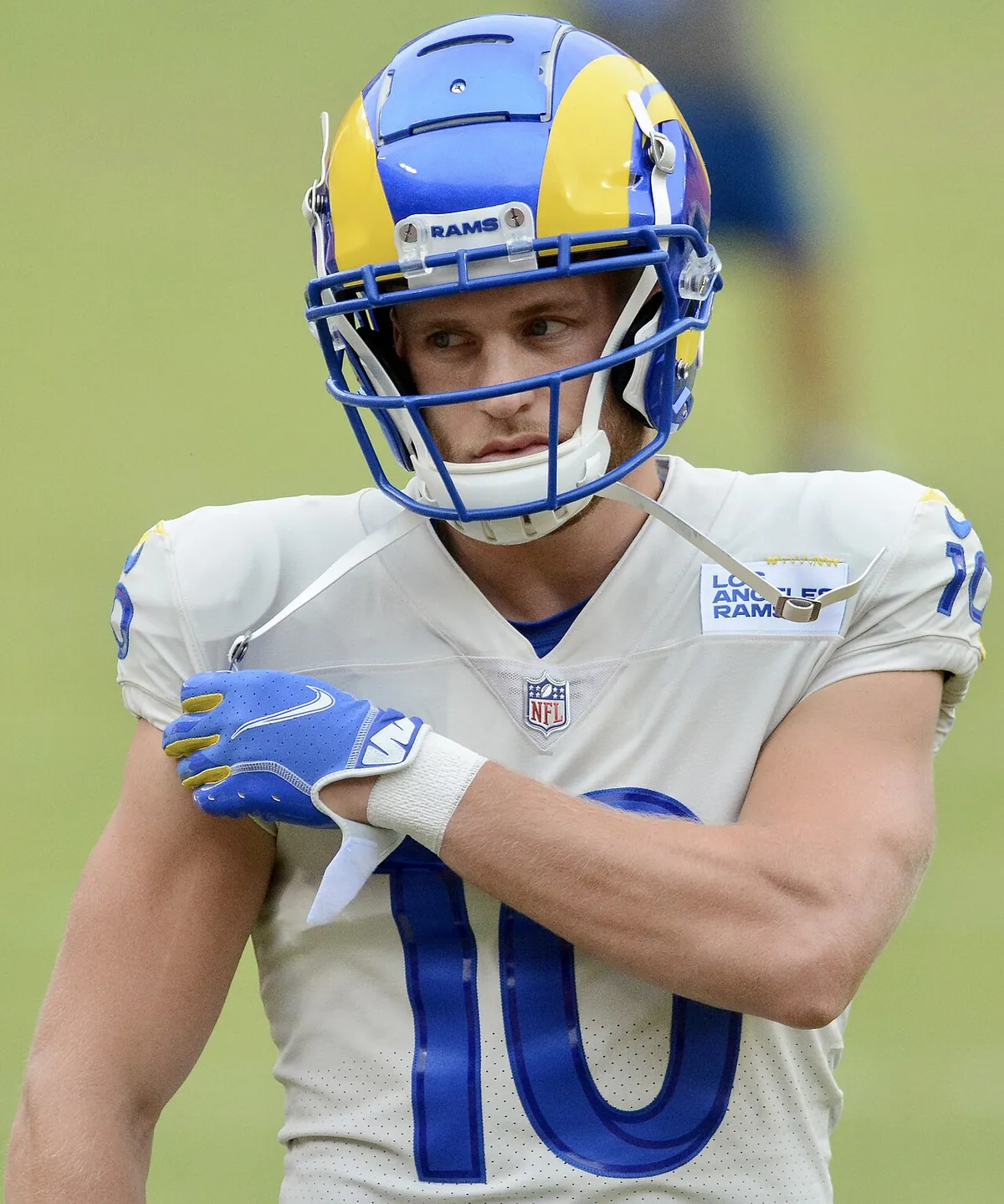
Dan Reeves purchased the Cleveland Rams in 1941 and became the owner who permanently changed the franchise's geographic identity. His most consequential action came after the team won the 1945 NFL championship in Cleveland. On January 12, 1946, Reeves requested permission from the NFL to move the team to Los Angeles and the Los Angeles Memorial Coliseum. When other owners denied his request, Reeves threatened to leave professional football entirely. A settlement was reached, and the move was approved, making the NFL the first coast-to-coast professional sports league. A condition of securing the Coliseum lease was the integration of the team. On March 21, 1946, the Rams signed Kenny Washington, breaking the NFL's color barrier in the modern era, and added Woody Strode on May 7, 1946. Under Reeves' ownership, the Rams won their first Los Angeles-based NFL championship in 1951. He owned the team for three decades, establishing its West Coast identity.
The 1972 Franchise Swap
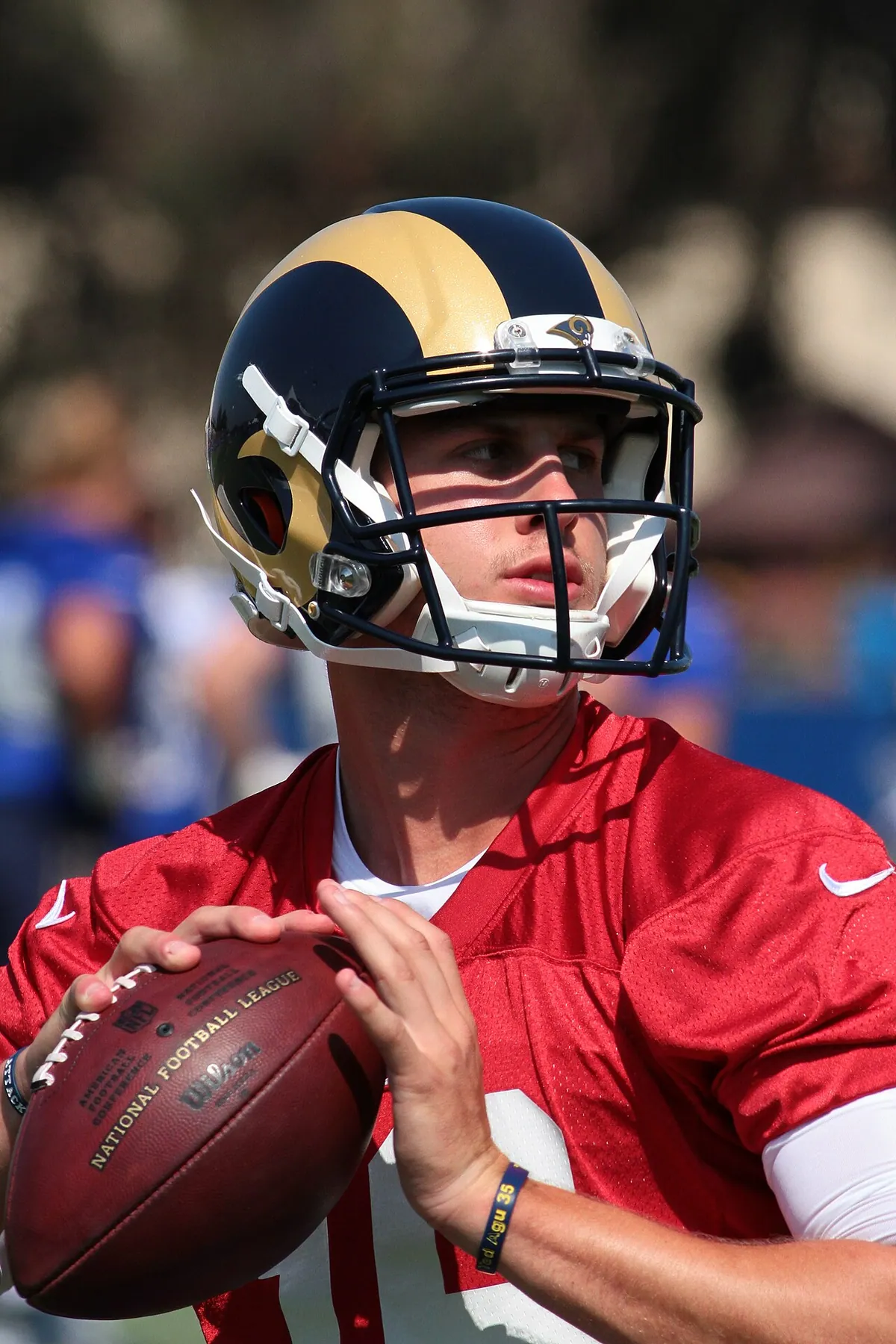
One of the most unusual ownership transitions in sports history occurred in 1972. Chicago industrialist Robert Irsay purchased the Los Angeles Rams for $19 million. Immediately after acquiring the franchise, Irsay traded it to Carroll Rosenbloom in exchange for Rosenbloom's Baltimore Colts and additional cash. This direct swap of entire NFL franchises is unprecedented. Carroll Rosenbloom had owned the Colts since 1953 and had been involved in major player trades, but never a franchise exchange. This transaction gave Rosenbloom control of the Rams, a team he would own until his death in 1979. The swap moved the Rams into a new era of ownership that would see the team achieve consistent success in the 1970s, including seven consecutive NFC West championships from 1973 to 1979 and an appearance in Super Bowl XIV at the conclusion of the 1979 season.
Stadium History Under Various Owners
The Rams' home stadiums are a direct reflection of ownership strategy and market conditions. From 1946 to 1979, under Dan Reeves and then Carroll Rosenbloom, the team played at the Los Angeles Memorial Coliseum. Georgia Frontiere moved the team to Anaheim Stadium in 1980 to escape the Coliseum's large capacity and frequent television blackouts. The reconfigured stadium held 69,008 for football. When the team moved to St. Louis in 1995, facilitated by Frontiere and minority owner Stan Kroenke, it played in the TWA Dome (later the Edward Jones Dome). Upon Kroenke's decision to return the team to Los Angeles in 2016, the Rams temporarily played at the Los Angeles Memorial Coliseum again from 2016 to 2019. The stadium's development and the team's 2022 Super Bowl LVI victory there represent the culmination of Kroenke's ownership vision.
FAQ
Who is the current owner of the Los Angeles Rams?
The current owner of the Los Angeles Rams is Stan Kroenke. He became the sole owner in 2010 after purchasing the remaining shares of the franchise from the Rosenbloom family for approximately $750 million. Kroenke had been a minority owner since 1995, when he bought a 40% stake to help move the team to St. Louis. He is a billionaire real estate developer and the head of Kroenke Sports & Entertainment.
What is the history of Los Angeles Rams ownership?
The Los Angeles Rams have had six principal owners since their founding in 1936. Homer Marshman was the first owner from 1936 to 1941. Dan Reeves owned the team from 1941 to 1971, moving it from Cleveland to Los Angeles. Robert Irsay briefly owned the Rams in 1972 before trading the franchise to Carroll Rosenbloom for the Baltimore Colts. Rosenbloom owned the team until his death in 1979, when his widow Georgia Frontiere took over. Upon Frontiere's death in 2008, her children Chip Rosenbloom and Lucia Rodriguez assumed control before selling to Stan Kroenke in 2010.
How did Stan Kroenke become the owner of the Rams?
Stan Kroenke became the Rams owner through a strategic, multi-step process. In 1995, he purchased a minority stake in the team, which helped facilitate the franchise's move from Los Angeles to St. Louis. This deal included a right to match any future offer for the remaining shares. When majority owner Georgia Frontiere died in 2008, her children decided to sell.
How much are the Los Angeles Rams worth?
As of August, Forbes estimates the Los Angeles Rams have an estimated value of $10.5 billion. This valuation reflects the tremendous increase in NFL franchise values and the specific impact of the team's move to the Los Angeles market and the opening of SoFi Stadium. The stadium, developed by owner Stan Kroenke, hosts major events and generates significant revenue. The team's value has multiplied many times over since Kroenke purchased the remaining shares for about $750 million in 2010.
Who owned the Rams before Stan Kroenke?
Immediately before Stan Kroenke gained full ownership, the Rams were owned by Chip Rosenbloom and Lucia Rodriguez, the children of former owner Georgia Frontiere. They inherited majority control upon their mother's death in 2008 and held it for three years before selling to Kroenke in 2010. Prior to that, Georgia Frontiere owned the team from 1979 to 2008, having inherited it from her husband, Carroll Rosenbloom. Carroll Rosenbloom had acquired the Rams in a 1972 franchise swap with Robert Irsay.
Who was the first owner of the Rams franchise?
The first principal owner of the Rams franchise was Homer Marshman. He founded the team in Cleveland in 1936 along with Damon Wetzel, who suggested the Rams name. Marshman approved the name, which was Wetzel's favorite college mascot from Fordham University. He later sold the franchise to Dan Reeves in 1941 for $100,000.
Sources
- Los Angeles Rams (Wikipedia) Wikipedia
- How did Stan Kroenke become the owner of the Rams? Yahoo Sports
- E. Stanley Kroenke cnbcevents.com
- L.A. Rams owner history: Full list and timeline ramblinfan.com
- History of the Los Angeles Rams Facts for Kids kids.kiddle.co
- nflverse game, roster and draft data nflverse (CC BY 4.0)