The New York Giants are co-owned by John Mara and Steve Tisch, who serve as the franchise's president and co-owner, respectively. The Mara family has owned the team since its founding in 1925, when Timothy Mara purchased the franchise for $500. In 1991, the Tisch family acquired a stake, establishing the current partnership. This ownership structure has overseen the team's most recent Super Bowl victories in 2007 and 2011. The families are deeply involved in the team's operations, with John Mara handling day-to-day football matters and Steve Tisch focusing on business and stadium operations. Their leadership guides a franchise that ranks third in NFL history with eight championship titles.
Founding and the Mara Family Dynasty
The New York Giants were founded on August 1, 1925, when bookmaker Timothy Mara and his partner Will Gibson were granted an NFL franchise. The initial cost of the franchise was $500, an investment Mara reportedly had to supplement with an additional $25,000 during the first season to keep the team solvent. Tim Mara's early commitment was crucial for the fledgling NFL, securing a foothold in the nation's largest media market. His investment was validated in December of that first season when over 70,000 fans attended a game at the Polo Grounds against the Chicago Bears. Upon his death in 1959, ownership passed equally to his two sons, Jack Mara and Wellington Mara. Wellington Mara, deeply involved in football operations, became the public face of the franchise for decades. This succession established the Mara family's continuous, multigenerational control of the franchise, one of the longest such tenures in professional sports.
The Tisch Partnership and Modern Co-Ownership
For over six decades, the Giants were solely owned by the Mara family. This changed in 1991 when Tim J. Mara sold his stake in the franchise. Tim J. Mara sold his stake in the franchise to Preston Robert Tisch, a successful businessman. The sale created a 50/50 partnership between Wellington Mara and Bob Tisch, who served as co-chief executive officers. This partnership brought significant financial stability and business acumen to the organization. Following the deaths of Wellington Mara and Bob Tisch in 2005, ownership passed to the next generation. John Mara, Wellington's son, assumed the role of president and CEO, while Steve Tisch, Bob's son, became chairman and co-owner. The current structure maintains the equal partnership, with John Mara overseeing football operations and Steve Tisch focusing on business, marketing, and the team's shared stadium, MetLife Stadium. The Tisch family completed the transfer of shares from Steve Tisch and his siblings to their children's trusts, ensuring the continuation of the partnership.
Ownership History and Key Transitions
The ownership history of the New York Giants is defined by family succession within the Mara line and the strategic addition of the Tisch family. The transition points were typically marked by the passing of the principal owner, with control remaining within the family. The 1991 sale to Bob Tisch was a major exception, born from internal family discord that required intervention from NFL Commissioner Pete Rozelle years earlier. The following timeline outlines the major ownership periods.
- 1925 to 1959: Timothy Mara, founding owner.
- 1959 to 1965: Jack Mara and Wellington Mara, co-owners following their father's death.
- 1991 to 2005: Wellington Mara and Preston Robert Tisch, co-CEOs.
- 2000s to present: John Mara and Steve Tisch, co-owners.
Financial Valuation and Franchise Growth
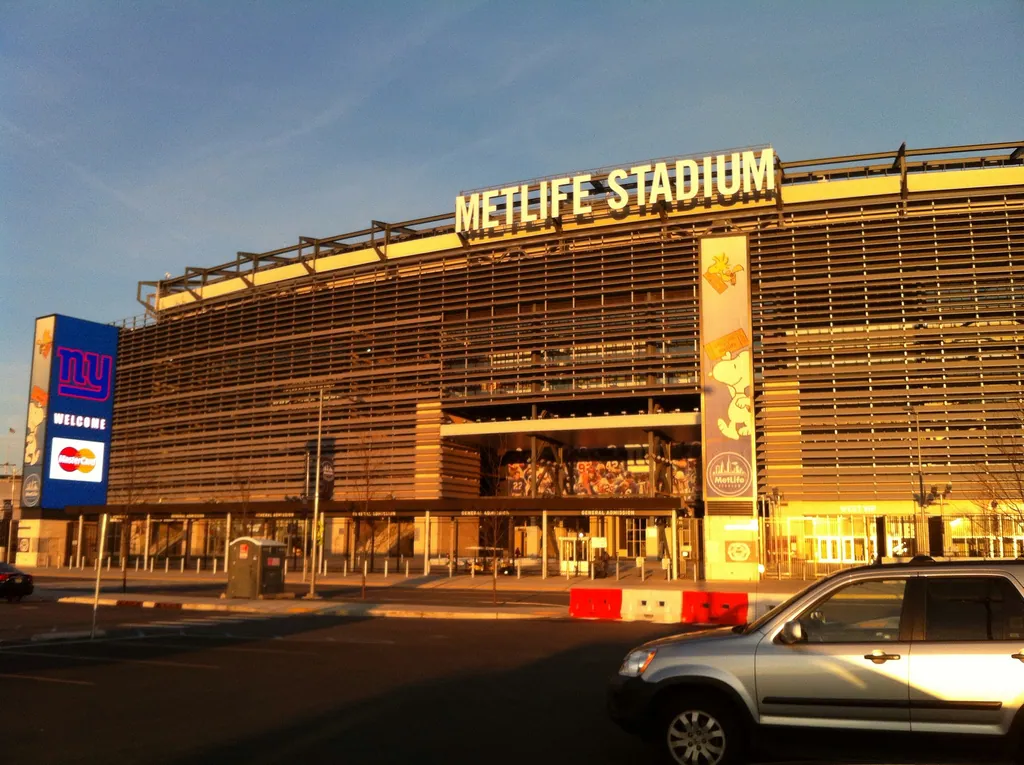
From its humble $500 inception, the New York Giants have grown into one of the most valuable franchises in global sports. This venue provides a massive, modern revenue stream and replaced Giants Stadium, the team's home for many years. The Mara and Tisch ownership has consistently invested in the team's facilities, including the Quest Diagnostics Training Center in East Rutherford, New Jersey. The franchise's value is bolstered by its location in the New York metropolitan area, its historic brand, and its consistent popularity. The 50/50 partnership between the families has provided the capital and stability necessary for these large-scale investments, ensuring the team remains financially competitive within the NFL. The Giants' value reflects the overall explosion in NFL franchise worth, driven by television contracts and league-wide revenue sharing.
Major Decisions and Ownership Impact
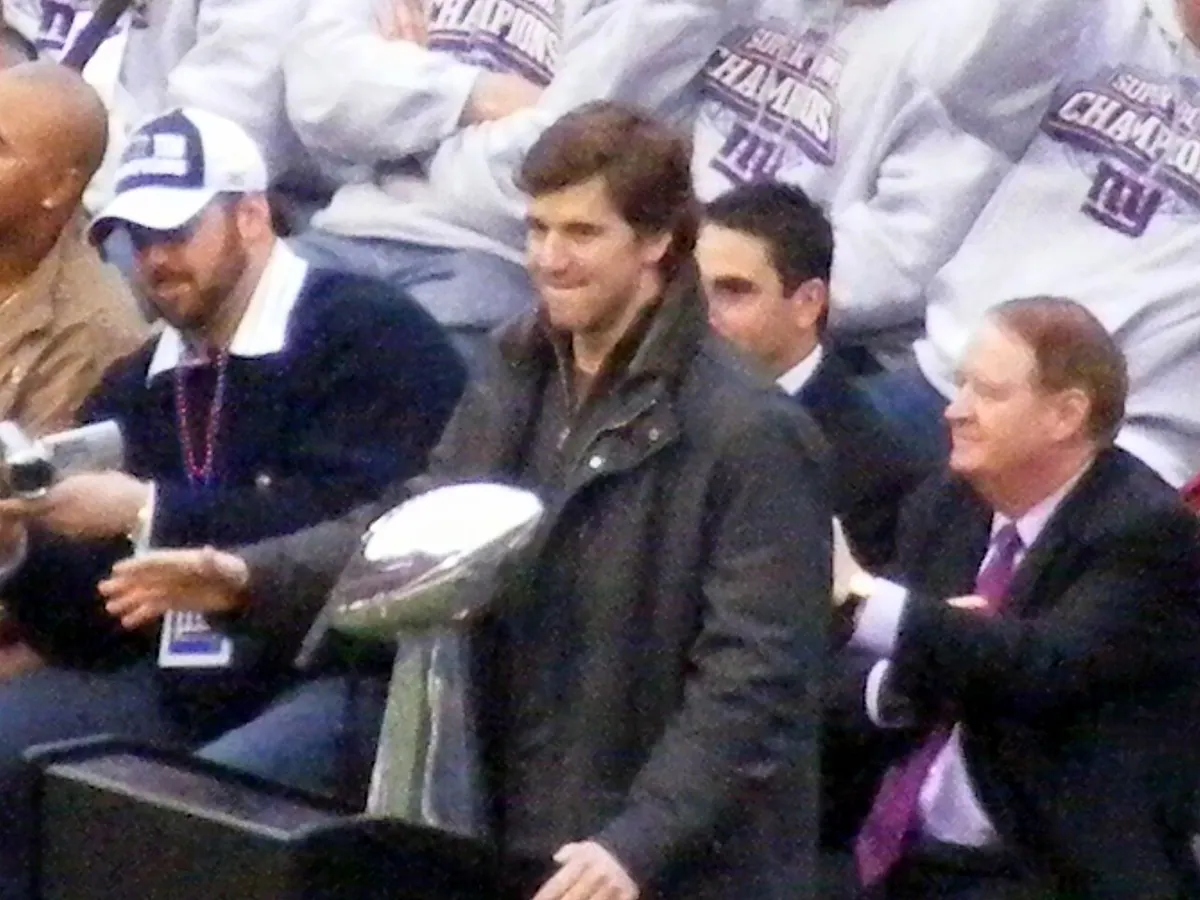
The ownership groups have been responsible for decisions that shaped the franchise's history. Timothy Mara's initial investment and his commitment to weather early financial losses kept the team and the league afloat in New York. In the late 1970s and early 1980s, Wellington Mara oversaw a football renaissance, hiring George Young as general manager to end a front-office feud and supporting the drafts of Phil Simms in 1979 and Lawrence Taylor in 1981. The decision to hire Bill Parcells as head coach in 1983 led to the team's first two Super Bowl victories in the 1986 and 1990 seasons. The partnership with Bob Tisch in 1991 brought renewed business focus. A major decision in the 2000s was the joint venture with the Jets to build MetLife Stadium. Under John Mara and Steve Tisch, the franchise made the trade for quarterback Eli Manning in the 2004 NFL Draft, a move that directly resulted in Super Bowl victories in the 2007 and 2011 seasons. More recently, ownership has made changes in general management and head coaching.
The Mara and Tisch Families' Profiles
The Mara family's wealth originated with Timothy Mara's successful bookmaking operations in New York City. The family's fortune has been sustained and grown through the appreciating value of the NFL franchise over a century. John Mara, a graduate of Boston College Law School, worked within the Giants organization for decades in various legal and executive roles before assuming control. He is known for his deep involvement in league affairs, serving on several powerful NFL committees. The Tisch family wealth was built through diversified investments and business success. Preston Robert Tisch expanded the family's profile through his business success. His son, Steve Tisch, is an Academy Award-winning film and television producer, bringing a perspective from the entertainment industry to the NFL. Steve Tisch's role often emphasizes the team's brand, marketing, and fan experience, complementing John Mara's football-centric leadership.
Ownership During Recent Competitive Eras
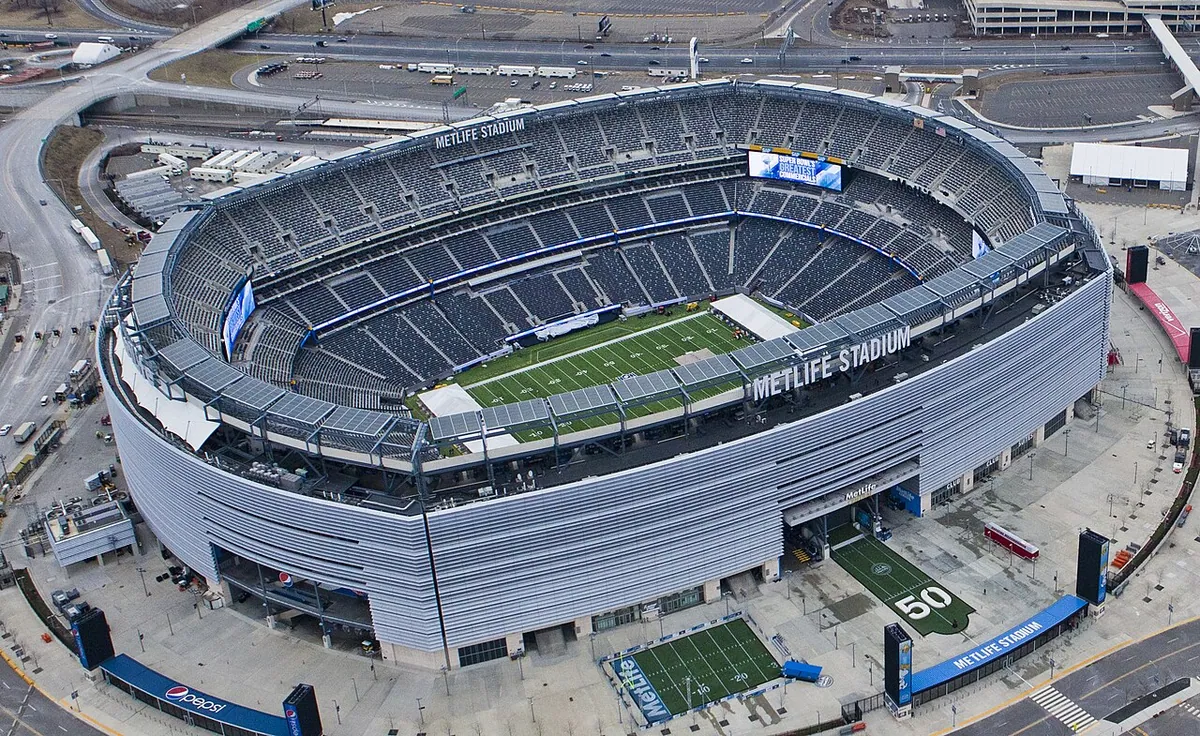
The John Mara and Steve Tisch partnership has presided over the most recent championship era and subsequent challenges. Their tenure began just before the Giants' victory in Super Bowl XLII in the 2007 season, which was followed by another title in Super Bowl XLVI in the 2011 season. Since that last championship, the team has experienced competitive struggles. From the 1999 season through 2025, the Giants compiled a regular season record of 197-239-1, with an 11-7 playoff record over that same span. They have had only three winning seasons since 2011 (2012, 2016, and 2022) and as of 2025 held the longest active division title drought in the NFC at 14 seasons. Ownership has been active in attempting to reverse this trend, making changes in general management and head coaching. The 2026 season showed early signs of potential improvement, with the team holding a 6-3-1 record through games of November 27, 2026. Throughout these cycles, the ownership has maintained a consistent, patient approach, characteristic of families with a long-term, generational view of the franchise.
Governance and Day-to-Day Operations
The Giants operate under a clear division of responsibilities established by the co-owners. John Mara, as president and CEO, has final authority over all football decisions, including the hiring of the general manager and head coach, player personnel, and the football operations budget. He works closely with General Manager Joe Schoen. Steve Tisch, as chairman, oversees the business side, including marketing, sponsorships, broadcasting, and the team's relationship with MetLife Stadium. Both owners are involved in major strategic decisions, such as stadium projects and league-wide initiatives. This structure has provided stability, with both families represented in the highest levels of management. The corporate entity, New York Football Giants, Inc., reflects the team's legal distinction from the baseball Giants and is the vehicle through which the Mara and Tisch families hold their ownership stakes. This governance model has ensured the franchise remains a privately held, family-run business within the structure of the NFL.
Ownership and Team Legacy
The Mara and Tisch ownership is stewarding a franchise with one of the richest legacies in professional football. The Giants rank third among all NFL franchises with eight league championship titles, including four from the pre-Super Bowl era (1927, 1934, 1938, 1956) and four Super Bowl victories (XXI, XXV, XLII, XLVI). The team has made 19 championship game appearances, more than any other NFL franchise. The roster of Giants players includes 29 individuals who have been enshrined in the Pro Football Hall of Fame, and the list of team MVPs features Mel Hein, Frank Gifford, Y.A. Tittle, and Lawrence Taylor. The ownership has maintained fierce rivalries, most notably with the Philadelphia Eagles, a series dating back to 1933. The families have also overseen the team's navigation of different home stadiums, from the Polo Grounds and Yankee Stadium to Giants Stadium and finally the jointly-owned MetLife Stadium. This deep connection to the team's history is a defining feature of the family ownership model, where the franchise is viewed as a legacy to be preserved and enhanced for future generations.
Video
FAQ
Who is the current owner of the New York Giants?
The New York Giants are currently co-owned by John Mara and Steve Tisch. John Mara serves as the team's President and CEO, while Steve Tisch is the Chairman. They inherited their ownership stakes from their fathers, Wellington Mara and Preston Robert Tisch, respectively, forming a 50/50 partnership that has been in place since 1991. Both are actively involved in running the franchise, with Mara focusing on football operations and Tisch on business and stadium matters. This partnership has guided the team through two Super Bowl victories in the last two decades.
What is the history of New York Giants owners?
The Giants have had a continuous ownership history since their 1925 founding. Founder Timothy Mara owned the team until his death in 1959. Ownership then passed to his sons, Jack and Wellington Mara. After Jack's death in 1965, his son Tim J. Mara co-owned with Wellington. In 1991, Tim J. Mara sold his 50% share to Preston Robert Tisch. Since the deaths of Wellington Mara and Bob Tisch in 2005, the team has been co-owned by John Mara and Steve Tisch. The Mara family has been involved for the entire 101-year history, making it one of the most enduring family ownerships in professional sports.
How much did the New York Giants franchise cost originally?
Timothy Mara purchased the New York Giants NFL franchise in 1925 for $500. Historical accounts note that he was required to invest an additional $25,000 during the team's inaugural season to keep it financially solvent. This initial investment has grown exponentially, making the Giants one of the most valuable sports franchises in the world today. The team's value is supported by the NFL's revenue model, its major market location, and its ownership of MetLife Stadium alongside the New York Jets.
Does the Tisch family still own part of the Giants?
Yes, the Tisch family still owns 50 percent of the New York Giants. Steve Tisch, the son of original partner Preston Robert Tisch, is the current co-owner and chairman. It was reported that the transfer of shares from Steve Tisch and his siblings to their children's trusts was completed, ensuring the Tisch family's ownership stake will continue for the next generation. This planned succession mirrors the Mara family's approach and secures the 50/50 partnership structure for the foreseeable future.
Why do the Giants have two owners?
The Giants have two principal owners due to a 1991 transaction that resolved a long-standing internal feud within the Mara family. Wellington Mara's nephew, Tim J. Mara, sold his 50 percent stake to businessman Preston Robert Tisch. This created a 50/50 partnership that combined the Mara family's football tradition with the Tisch family's business expertise. The structure has provided stability, capital, and a balanced leadership approach for over three decades. It also facilitated the construction of MetLife Stadium through a joint venture with the New York Jets.
How did the Mara family make their money?
The Mara family's original wealth came from Timothy Mara's career as a successful bookmaker in New York City in the early 20th century. His initial capital allowed him to purchase the Giants franchise for $500 in 1925. The family's fortune has since been sustained and massively increased by the appreciation of the NFL franchise's value over the past century. The team's value is tied to the league's shared revenue model, television contracts, and ownership of valuable assets like MetLife Stadium. The franchise itself is the family's primary financial legacy.
Sources
- New York Giants (Wikipedia) Wikipedia
- New York Giants, Owners - 1925 to 2021 (97 seasons) retroseasons.com
- Giants team history Pro Football Hall of Fame
- nflverse game, roster and draft data nflverse (CC BY 4.0)