The 2005 NFL Draft was the 70th annual selection meeting of National Football League franchises. It was held on April 23 and 24, 2005, at the Jacob K. Javits Convention Center in New York City, marking the first time the draft was hosted at that venue. The San Francisco 49ers selected quarterback Alex Smith from the University of Utah with the first overall pick. The draft is most famously remembered for quarterback Aaron Rodgers' unexpected slide to the 24th overall selection by the Green Bay Packers. A total of 255 players were chosen over seven rounds. The draft was televised on ESPN and ESPN2, continuing a 26-year streak of television coverage.
Draft Order and First Round Selections
The Miami Dolphins followed by taking Auburn running back Ronnie Brown second overall. The Cleveland Browns selected Michigan wide receiver Braylon Edwards with the third pick. The Chicago Bears chose Texas running back Cedric Benson fourth, and the Tampa Bay Buccaneers picked Auburn running back Cadillac Williams fifth, making 2005 the first draft where three of the first five selections were running backs. The most consequential pick of the round came at number 24, where the Green Bay Packers selected California quarterback Aaron Rodgers, who had been projected to go much earlier.
The complete first round included a diverse group of players from various college conferences. The Arizona Cardinals selected safety Antrel Rolle from Miami with the eighth pick. The Washington Redskins took cornerback Carlos Rogers from Auburn ninth, and the Detroit Lions chose wide receiver Mike Williams from USC tenth. The Dallas Cowboys used their second first-round pick, acquired from Buffalo, on defensive end Marcus Spears from LSU at number 20. The Jacksonville Jaguars selected wide receiver Matt Jones from Arkansas at 21, and the Baltimore Ravens picked wide receiver Mark Clayton from Oklahoma at 22. The Oakland Raiders selected cornerback Fabian Washington from Nebraska at 23. The round concluded with selections like center Chris Spencer to the Seattle Seahawks at 26 and defensive tackle Luis Castillo to the San Diego Chargers at 28.
Notable Trades and Draft Movement
Several trades before and during the draft reshaped the first-round order and team strategies. The Minnesota Vikings acquired the seventh overall pick from the Oakland Raiders, using it to select wide receiver Troy Williamson. The San Diego Chargers obtained the 12th pick from the New York Giants and selected linebacker Shawne Merriman. The New Orleans Saints moved up to the 13th pick via a trade with the Houston Texans to select offensive tackle Jammal Brown. The Dallas Cowboys held two first-round picks, using the 11th selection on DeMarcus Ware and the 20th pick, acquired from the Buffalo Bills, on defensive end Marcus Spears. The Washington Redskins selected quarterback Jason Campbell from Auburn with the 25th pick, which they acquired from the Denver Broncos. These moves reflected teams aggressively targeting specific positions throughout the opening round.
Second-round trades also involved significant movement. The Philadelphia Eagles acquired the 35th pick from the Miami Dolphins and used it on wide receiver Reggie Brown. The Detroit Lions traded with the Tennessee Titans, moving to pick 37 to select defensive tackle Shaun Cody. The New Orleans Saints obtained the 40th pick from the Washington Redskins and selected safety Josh Bullocks. The Tennessee Titans, after trading down, used pick 41 from Detroit on offensive tackle Michael Roos. The Seattle Seahawks traded with the Carolina Panthers to acquire pick 45, which they used on linebacker Lofa Tatupu. The New York Jets selected kicker Mike Nugent at pick 47, a selection they acquired from the Houston Texans through the Oakland Raiders. These transactions demonstrated how teams maneuvered on the second day to acquire specific players they valued.
Analysis of Picks by Position and College
The positional breakdown of the first round highlighted league trends at the time. Wide receiver was the most selected position with six picks, followed by defensive end with five. Quarterback and running back each had three selections. The first round also included three defensive backs, two offensive tackles, two linebackers, one center, one tight end, one defensive tackle, and one guard. From a collegiate perspective, the University of Oklahoma led all schools with 11 total players drafted in 2005. Florida State was next with eight draftees, while USC and Wisconsin each had six players selected. Virginia also had six players drafted. The draft class was notable for the high number of players taken from specific successful college programs. This list shows the primary sources of NFL talent for this draft class, with Oklahoma's 11 selections leading all schools. The following colleges produced the most drafted players in 2005.
- Oklahoma: 11 players
- Florida State: 8 players
- USC: 6 players
- Wisconsin: 6 players
- Virginia: 6 players
- Utah: 5 players
- Auburn: 5 players
- Miami: 5 players
Key Later-Round Selections and Undrafted Players
While the first round garnered the most attention, several impactful players were found in later rounds. In the second round, the Seattle Seahawks selected linebacker Lofa Tatupu at pick 45, and the San Diego Chargers picked wide receiver Vincent Jackson at 61. Other notable Day 2 picks included cornerback Nick Collins by the Green Bay Packers at 51 and offensive tackle Michael Roos by the Tennessee Titans at 41. The Cincinnati Bengals selected linebacker Odell Thurman at 48, and the Pittsburgh Steelers picked cornerback Bryant McFadden at 62. The draft also produced a significant number of successful undrafted free agents. Other undrafted players who entered the league included long snapper L.P. Ladouceur, linebacker Chase Blackburn, and safety Jim Leonhard.
The value found in the middle and late rounds extended to several key contributors for playoff teams. The Baltimore Ravens used their second-round selections on defensive end Dan Cody at 53 and offensive tackle Adam Terry at 64. The New York Giants selected cornerback Corey Webster at 43. The Arizona Cardinals picked running back J.J. Arrington at 44. In terms of team totals, different data sets show varying counts for the most selections. One source states the Tampa Bay Buccaneers had 12 picks, the most in the draft. These teams utilized their volume of picks to build depth across their rosters.
Career Achievements and Historical Legacy
The 2005 draft class has produced a distinguished group of players with significant career accomplishments. Linebacker DeMarcus Ware, the 11th overall pick, was inducted into the Pro Football Hall of Fame in 2023. The draft set a record by having three running backs selected in the top five for the first time in draft history. The legacy of the draft is often defined by the contrasting careers of the top two quarterbacks, Alex Smith and Aaron Rodgers, and the exceptional defensive talent found in the first round. Many first-round selections from this draft went on to have long and productive NFL careers, contributing to their teams for over a decade. The class is remembered for its depth at several premium positions, including pass rusher and wide receiver. The first round of the 2005 draft included many players who achieved individual recognition. The following table lists all 32 first-round picks, their teams, positions, and colleges.
| Pick | Team | Player | Position | College |
|---|---|---|---|---|
| 1 | San Francisco 49ers | Alex Smith | QB | Utah |
| 2 | Miami Dolphins | Ronnie Brown | RB | Auburn |
| 3 | Cleveland Browns | Braylon Edwards | WR | Michigan |
| 4 | Chicago Bears | Cedric Benson | RB | Texas |
| 5 | Tampa Bay Buccaneers | Cadillac Williams | RB | Auburn |
| 7 | Minnesota Vikings | Troy Williamson | WR | South Carolina |
| 8 | Arizona Cardinals | Antrel Rolle | S | Miami |
| 9 | Washington Redskins | Carlos Rogers | CB | Auburn |
| 10 | Detroit Lions | Mike Williams | WR | USC |
| 11 | Dallas Cowboys | DeMarcus Ware | OLB | Troy |
| 12 | San Diego Chargers | Shawne Merriman | DE | Maryland |
| 13 | New Orleans Saints | Jammal Brown | OT | Oklahoma |
| 14 | Carolina Panthers | Thomas Davis | OLB | Georgia |
| 15 | Kansas City Chiefs | Derrick Johnson | LB | Texas |
| 16 | Houston Texans | Travis Johnson | DE | Florida State |
| 17 | Cincinnati Bengals | David Pollack | LB | Georgia |
| 18 | Minnesota Vikings | Erasmus James | DE | Wisconsin |
| 19 | St. Louis Rams | Alex Barron | OT | Florida State |
| 20 | Dallas Cowboys | Marcus Spears | DE | LSU |
| 21 | Jacksonville Jaguars | Matt Jones | WR | Arkansas |
| 22 | Baltimore Ravens | Mark Clayton | WR | Oklahoma |
| 24 | Green Bay Packers | Aaron Rodgers | QB | California |
| 25 | Washington Redskins | Jason Campbell | QB | Auburn |
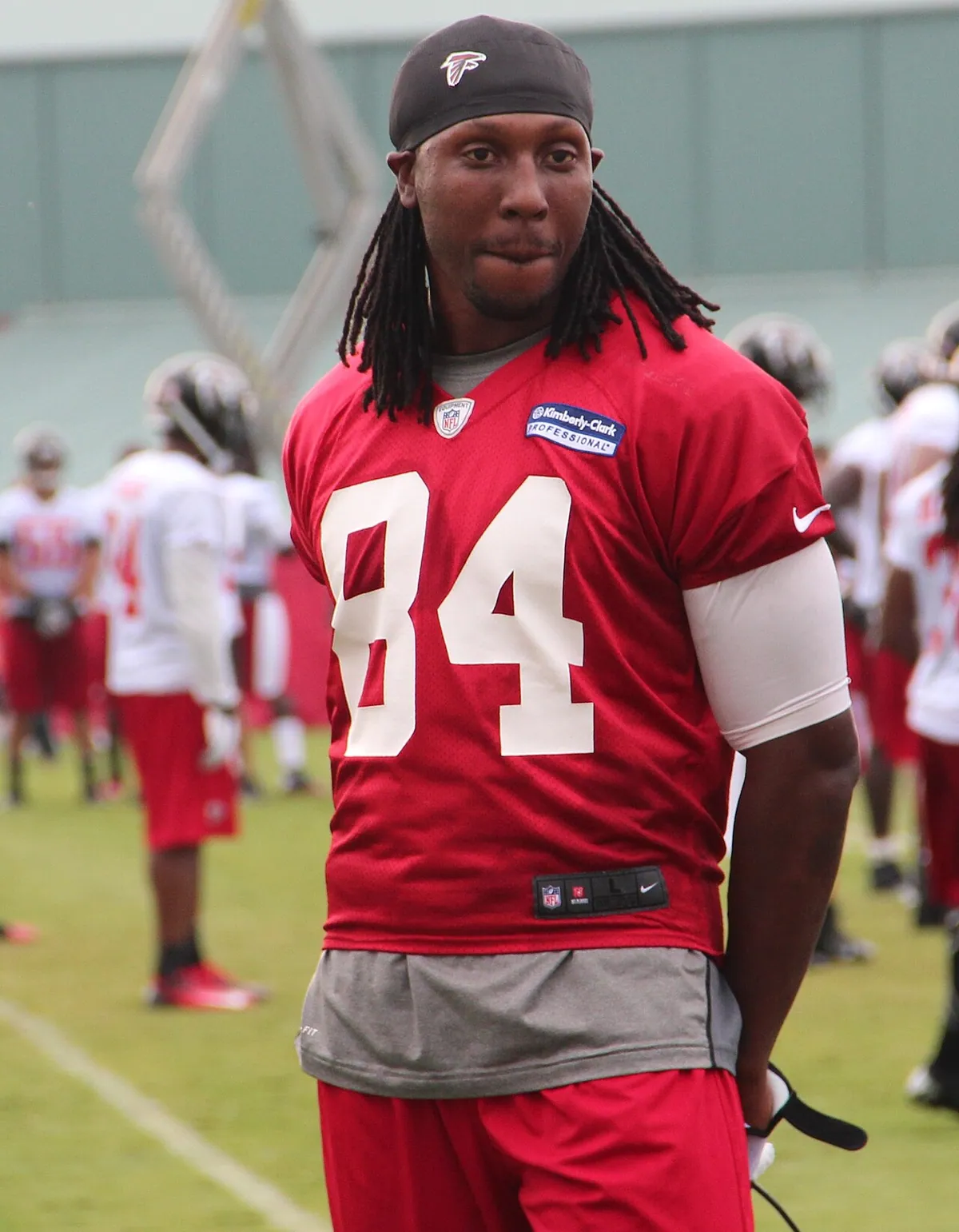
| 27 | Atlanta Falcons | Roddy White | WR | UAB |
| 28 | San Diego Chargers | Luis Castillo | DE | Northwestern |
| 30 | Pittsburgh Steelers | Heath Miller | TE | Virginia |
| 31 | Philadelphia Eagles | Mike Patterson | DT | USC |
| 32 | New England Patriots | Logan Mankins | G | Fresno State |
Supplemental Draft and Final Pick
The NFL held a supplemental draft in 2005 after the regular draft concluded but before the regular season began. In that draft, the Miami Dolphins selected defensive tackle Manuel Wright from USC. The regular 2005 draft concluded with 255 total selections. The Seattle Seahawks used pick number 254 on offensive tackle Doug Nienhuis from Oregon State. The draft also included a Mr. Irrelevant, which is traditionally the final pick of the draft. For the 2005 draft, Mr. Irrelevant was tight end Andy Stokes, selected by the New England Patriots. The draft's length and the supplemental process allowed teams to address roster needs with additional talent outside the standard schedule.
Broadcast and Draft Details
The 2005 NFL Draft was televised for the 26th consecutive year, with live coverage on ESPN and ESPN2. The draft began at 12:00 p.m. Eastern Daylight Time on Saturday, April 23, and resumed at 11:00 a.m. EDT on Sunday, April 24. This was the first draft held at the Jacob K. Javits Convention Center after a decade of being hosted at Madison Square Garden. The move to the larger Javits Center accommodated growing fan interest and media coverage. The draft featured 255 selections over seven rounds. Compensatory picks were awarded to teams that lost more qualifying free agents than they acquired the previous year. These extra picks provided teams with more opportunities to find talent in the later rounds and were often used on special teams players and developmental prospects. The draft order for non-playoff teams was based on the reverse order of the previous season's standings.
Video
FAQ
Why is the 2005 NFL Draft famous for Aaron Rodgers?
The 2005 NFL Draft is famous for Aaron Rodgers' unexpected fall to the 24th overall pick. Rodgers was widely projected to be one of the top selections, potentially even first overall. After the 49ers chose Alex Smith, Rodgers was passed over by multiple teams with other needs until the Green Bay Packers selected him. This slide has been heavily scrutinized in retrospect as Rodgers developed into an elite quarterback. Notes indicate that as of 2026, he is the only remaining player from the draft class still in the league.
Which teams had the most picks in the 2005 draft?
Different sources provide different counts for the most picks. One source states the Tampa Bay Buccaneers made the most selections with 12 total picks. The San Francisco 49ers had 10 picks according to that same data. At the other end of the spectrum, the New York Giants had the fewest picks with only four. Compensatory selections were distributed among teams, adding to the total number of picks.
Who were some of the best players from the 2005 NFL Draft?
The 2005 NFL Draft produced several elite players. The most decorated is linebacker DeMarcus Ware, the 11th overall pick by the Dallas Cowboys, who was inducted into the Pro Football Hall of Fame in 2023. Quarterback Aaron Rodgers, picked 24th, is a future Hall of Famer. Other standout first-round players include linebacker Thomas Davis, defensive end Shawne Merriman, linebacker Derrick Johnson, wide receiver Roddy White, tight end Heath Miller, and guard Logan Mankins. The draft also yielded impactful later-round players like linebacker Lofa Tatupu and wide receiver Vincent Jackson.
What record was set in the first round of the 2005 draft?
The 2005 NFL Draft set a record by having three running backs selected within the first five picks. This was the first time in NFL draft history that occurred. The running backs were Ronnie Brown picked second by the Miami Dolphins, Cedric Benson picked fourth by the Chicago Bears, and Cadillac Williams picked fifth by the Tampa Bay Buccaneers. This reflected the high value placed on the running back position at the time. The first round also included six wide receivers, the most of any position.
Who was the first overall pick in the 2005 NFL Draft?
The first overall pick in the 2005 NFL Draft was quarterback Alex Smith, selected by the San Francisco 49ers from the University of Utah. This selection occurred on April 23, 2005, at the Jacob K. Javits Convention Center in New York City. The draft is famously remembered for Aaron Rodgers falling to the 24th pick after the 49ers chose Smith. Smith's selection began a draft class that included 255 total players over seven rounds.
Where and when was the 2005 NFL Draft held?
The 2005 NFL Draft was held at the Jacob K. Javits Convention Center in New York City on April 23 and 24, 2005. It was televised on ESPN and ESPN2 for the 26th consecutive year. This event was the 70th draft in NFL history and marked the first time it was held at the Javits Center after being at Madison Square Garden since 1995. The draft started at 12:00 p.m. EDT on April 23 and 11:00 a.m. EDT on April 24.
Sources
- 2005 NFL draft (Wikipedia) Wikipedia
- 2005 NFL Draft, Round 2 footballdb.com
- 2005 #30 NFL Draft For The BUCS buccaneersfan.com
- 2005 NFL Draft First Round statmuse.com
- nflverse game, roster and draft data nflverse (CC BY 4.0)