Bountygate was a National Football League scandal involving an illegal bounty program operated by the New Orleans Saints from the 2009 season through the 2011-12 playoffs. The program, administered by defensive coordinator Gregg Williams, involved cash payments to defensive players for specific in-game actions, including hits that resulted in opponents being carted off the field or knocked out of the game. The NFL's investigation concluded in 2012, resulting in historic suspensions for coaches and executives, a $500,000 team fine, and the forfeiture of two second-round draft picks. The scandal led to federal court hearings and the eventual vacating of all player suspensions by former commissioner Paul Tagliabue.
Origins and Initial Allegations
During that game, Vikings quarterback Brett Favre was subjected to numerous hard hits, including a high-low tackle from Saints defenders Bobby McCray and Remi Ayodele that hit Favre below the knees and injured him. Vikings coaches and players, including head coach Brad Childress and punter Chris Kluwe, suspected the Saints were deliberately trying to injure Favre. Favre's agent, Bus Cook, also alleged similar targeting of Arizona Cardinals quarterback Kurt Warner in the divisional round the previous week. These suspicions prompted Vikings owner Zygi Wilf to complain to the league, though no formal action was taken at the time. The NFL claimed that an anonymous player told officials the Saints had targeted Favre and Warner as part of a bounty program, leading the NFL's security department to open an investigation in 2010.
The NFL Investigation and Findings
The NFL's initial 2010 investigation into the Saints stalled due to denials from team officials and players, but it was reopened late in the 2011 season after the league received what it called significant and credible new information. On March 2, 2012, the NFL announced it had evidence that defensive coordinator Gregg Williams had created a bounty program soon after his arrival in 2009. The investigation, which reviewed 18,000 documents, found that between 22 and 27 Saints defensive players were involved. The program was funded by pooled cash from Williams and the players themselves, with no direct club money involved. Payments were made for specific in-game actions, with escalating rewards for more severe outcomes. The NFL sent a memo to all 32 teams detailing that the Saints had targeted several star quarterbacks, including Aaron Rodgers and Cam Newton during the 2011 regular season. Specific findings included linebacker Jonathan Vilma offering $10,000 cash to any teammate who knocked Brett Favre out of the NFC Championship Game. The investigation also revealed that head coach Sean Payton knew about the scheme, tried to cover it up during league inquiries, and failed to shut it down when ordered by owner Tom Benson. General manager Mickey Loomis failed to stop the program after being ordered to do so, and assistant head coach Joe Vitt knew about it and witnessed Williams handing out payments but failed to report it.
- Program Duration: Active from the 2009 season to the 2011-12 playoffs.
- Funding Source: Personal cash from Gregg Williams and participating players.
- Payment Examples: $1,000 for a cart-off, $1,500 for a knockout, $100 for downing a kick returner inside the 20.
- Playoff Incentives: Bounty payments were known to double or triple during the playoffs.
- Targeted Players Included: Brett Favre, Kurt Warner, Aaron Rodgers, Cam Newton, and Seattle Seahawks players Matt Hasselbeck, Marshawn Lynch, and Mike Williams in the 2011 wildcard game.
- Additional Pledges: Michael Ornstein pledged $10,000 to the bounty pool in 2009, and Saints defensive end Charles Grant also pledged money.
Unprecedented League Sanctions
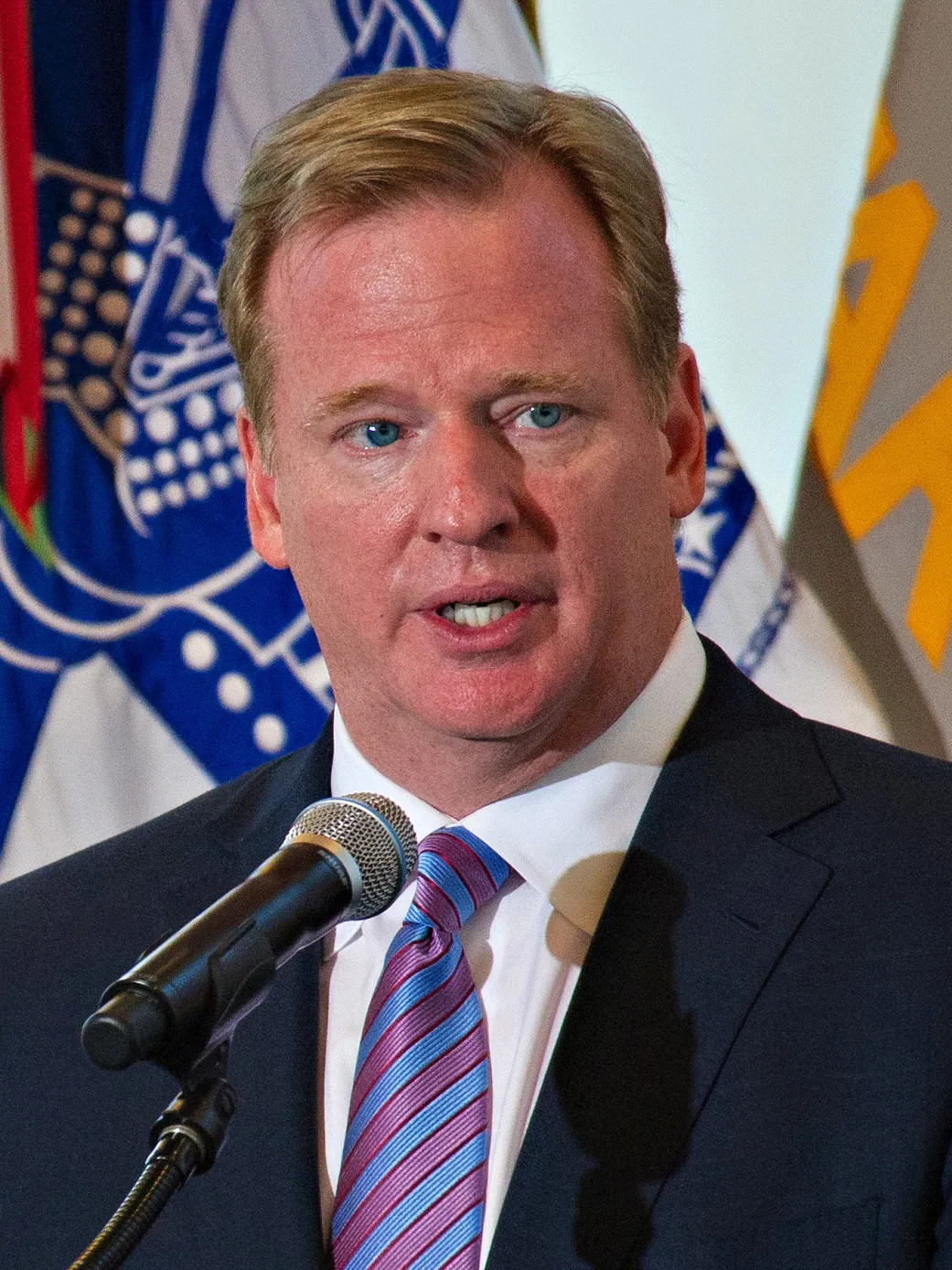
In response to the findings, NFL Commissioner Roger Goodell issued severe punishments in March 2012. The sanctions targeted the Saints' coaching staff, front office, and the organization as a whole. Former defensive coordinator Gregg Williams, who had moved to the St. Louis Rams, was suspended indefinitely. General manager Mickey Loomis received an eight-game suspension, the first time a general manager was suspended by the league. Assistant head coach Joe Vitt was suspended for six games. The Saints organization was fined $500,000 and forced to forfeit its second-round draft selections in both the 2012 and 2013 NFL drafts.
| Individual | Role | Punishment |
|---|---|---|
| Sean Payton | Head Coach | Suspended for 2012 season |
| Gregg Williams | Defensive Coordinator | Suspended indefinitely |
| Mickey Loomis | General Manager | Suspended 8 games in 2012 |
| Joe Vitt | Assistant Head Coach | Suspended 6 games in 2012 |
| New Orleans Saints | Team | $500,000 fine, forfeit 2012 & 2013 2nd-round picks |
Player Suspensions and Legal Challenges
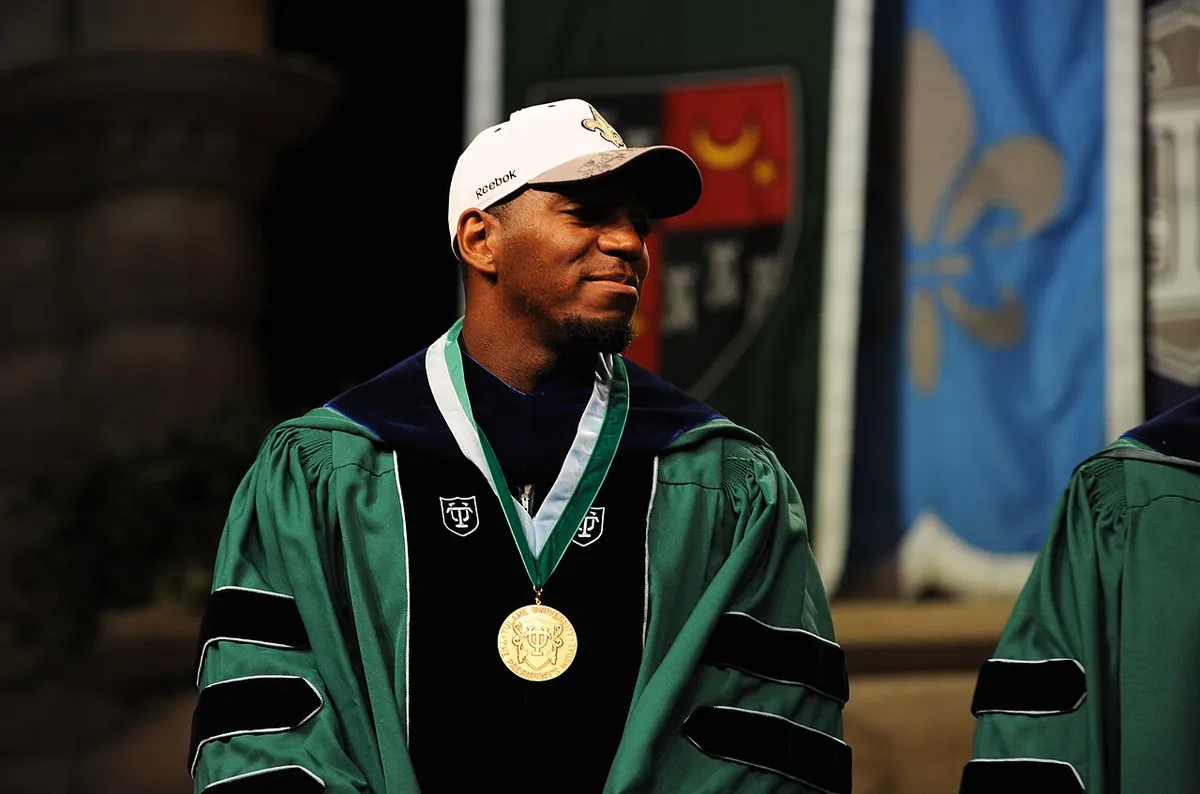
In May 2012, the NFL suspended four current and former Saints players after naming them as participants in the scandal. Linebacker Jonathan Vilma was suspended for the entire 2012 season. The suspensions sparked immediate legal challenges, with the case moving into federal court. The case moved into federal court in New Orleans, where Vilma and other witnesses testified under oath in July 2012, denying the existence of a bounty program. In December 2012, former NFL Commissioner Paul Tagliabue, appointed as an arbitrator, overturned all sanctions against the players. NFL Players Association executive director DeMaurice Smith, who reviewed nearly 50,000 pages of evidence and 20 hours of testimony, stated in December 2012 that there was certainly no evidence that the bounties existed.
Allegations Against Gregg Williams at Other Teams
Following the revelations in New Orleans, allegations surfaced that Gregg Williams had operated similar programs during his previous coaching tenures. In March 2012, four former Washington Redskins players and a coach told The Washington Post that Williams ran a bounty system while he was the team's defensive coordinator from 2004 to 2007. They said Williams paid players thousands of dollars for aggressive play, with the biggest payouts coming for hits that knocked opposing players out of games. Former Buffalo Bills players subsequently told The Buffalo News of a similar system during Williams' tenure as head coach from 2001 to 2003. Accounts from Bills players disagreed on whether there were rewards for intentionally injuring players, with safety Coy Wire saying bonuses were given for hits that left opponents seriously injured, while others denied it. The NFL briefly investigated these allegations but elected to focus solely on the Saints.
The Whistleblower and Wider NFL Culture
The whistleblower who provided the NFL with critical information was former Saints defensive assistant Mike Cerullo. Cerullo was released after the 2009 postseason, and he contacted the NFL regarding the bounty program. He testified that he kept track of payments and pledges made. Testimony during the Saints' appeals process revealed that Sean Payton once asked for police protection for his family because he considered Cerullo a threat. In the summer of 2017, the NFL hired Mike Cerullo as Director of Football Administration. The scandal highlighted an underground culture of pay-for-play systems alleged to exist in the NFL. These programs were usually informal and often between players only.
Impact and Legacy on the NFL
Bountygate had a lasting impact on the NFL, influencing league policy and public perception. The scandal occurred as the league was facing increasing scrutiny regarding player safety. Commissioner Roger Goodell used the case to reinforce his player safety initiative. The controversy fueled ongoing debates about the violent nature of football and the league's disciplinary authority. For the New Orleans Saints, the 2012 season was severely disrupted by the loss of head coach Sean Payton. The franchise's reputation was tarnished, and the forfeited draft picks hampered roster development. Bountygate remains a defining scandal of the Goodell era, often referenced in discussions about NFL integrity and the culture of football.
Key Figures in the Scandal
The Bountygate scandal involved a network of coaches, executives, and players whose actions and subsequent punishments defined the episode. Gregg Williams, the defensive coordinator, was the architect of the program, contributing his own money and directly administering the payments to players. Head coach Sean Payton's year-long suspension was historic, removing the leader of the team. General manager Mickey Loomis and assistant coach Joe Vitt were penalized for their failure to stop the scheme. Among the players, linebacker Jonathan Vilma was the most prominent figure, accused of offering a specific bounty on Brett Favre and leading the legal fight. Former player agent Michael Ornstein was also identified as a key non-team participant who pledged money to the bounty pool. NFL Commissioner Roger Goodell and former commissioner Paul Tagliabue played central roles as the chief disciplinarian and ultimate arbiter, respectively.
- Gregg Williams: Suspended indefinitely. Program architect.
- Sean Payton: Suspended for the 2012 season. Knew about and tried to cover up the scheme.
- Mickey Loomis: Suspended 8 games. General manager who failed to stop the program.
- Joe Vitt: Suspended 6 games. Assistant head coach who knew about the scheme.
- Jonathan Vilma: Player suspended for 2012 season. Suspension later vacated.
- Mike Cerullo: Former Saints assistant turned whistleblower.
- Roger Goodell: NFL Commissioner who issued punishments.
- Paul Tagliabue: Former commissioner who overturned player suspensions.
Video
FAQ
What was Bountygate in the NFL?
Bountygate was an NFL scandal where the New Orleans Saints operated an illegal bounty program from the 2009 season through the 2011-12 playoffs. Defensive coordinator Gregg Williams organized a system where defensive players received cash bonuses from a pooled fund for specific in-game actions, including plays that resulted in an opponent being carted off the field or knocked out of the game. The program targeted opposing players, including star quarterbacks. The NFL investigation concluded in 2012, leading to severe punishments for coaches and the team organization.
What were the punishments for Bountygate?
The NFL issued harsh penalties in 2012. Head coach Sean Payton was suspended for the entire 2012 season. Defensive coordinator Gregg Williams was suspended indefinitely. General manager Mickey Loomis was suspended for eight games, and assistant coach Joe Vitt for six games. The Saints organization was fined $500,000 and forced to forfeit its second-round draft picks in 2012 and 2013. The league also suspended players, including a season-long ban for Jonathan Vilma in May 2012, but those player suspensions were later overturned in December 2012 by former commissioner Paul Tagliabue.
Who was the whistleblower for Bountygate?
The whistleblower was Mike Cerullo, a former Saints defensive assistant. Cerullo was released after the 2009 postseason and later contacted the NFL regarding the bounty program. He testified that he kept track of payments and pledges. His information was part of the new evidence the NFL received late in the 2011 season. In the summer of 2017, the NFL hired Cerullo as Director of Football Administration.
How did Bountygate affect the New Orleans Saints?
Bountygate had a significant negative impact on the Saints. Without head coach Sean Payton for the 2012 season, the team's coaching staff was in shambles. The forfeiture of second-round draft picks in 2012 and 2013 deprived the team of valuable assets for roster development. The scandal also damaged the franchise's reputation. The organization faced the historic suspensions of its key leaders and a substantial financial penalty.
What specific players were targeted by the New Orleans Saints bounty program?
The bounty program specifically targeted opposing star players. During the 2009 playoffs, the Saints targeted quarterbacks Kurt Warner of the Arizona Cardinals and Brett Favre of the Minnesota Vikings. In the 2011 regular season, they targeted Green Bay Packers quarterback Aaron Rodgers and Carolina Panthers quarterback Cam Newton. The program also placed bounties on several Seattle Seahawks players during the 2011 wildcard playoffs, including Matt Hasselbeck, Marshawn Lynch, and Mike Williams. The NFL's confidential memo detailed these findings after its investigation.
How much money was offered for injuring players like Brett Favre in the Saints bounty program?
Significant cash bounties were offered for injuring key opponents. Linebacker Jonathan Vilma offered $10,000 to any teammate who knocked Brett Favre out of the 2009 NFC Championship Game. Overall, the total bounty on Favre was reported to be worth up to $35,000, with additional pledges from others like Michael Ornstein and Charles Grant. During the regular season, players typically earned $1,000 for a 'cartoff' and $1,500 for a 'knockout', with payments known to double or triple during the playoffs. These funds came from a pool contributed to by coaches and players.
Sources
- Bountygate (Wikipedia) Wikipedia
- New Orleans Saints Bountygate: Roger Goodell Has Gone Overboard Once Again Bleacher Report
- » Bountygate Punishments and Reactions grantland.com
- NFL Slams Saints Over 'Bountygate.' Coach Suspended For 2012 Season wkyufm.org
- NFL Slams Saints Over 'Bountygate.' Coach Suspended For 2012 Season wrvo.org