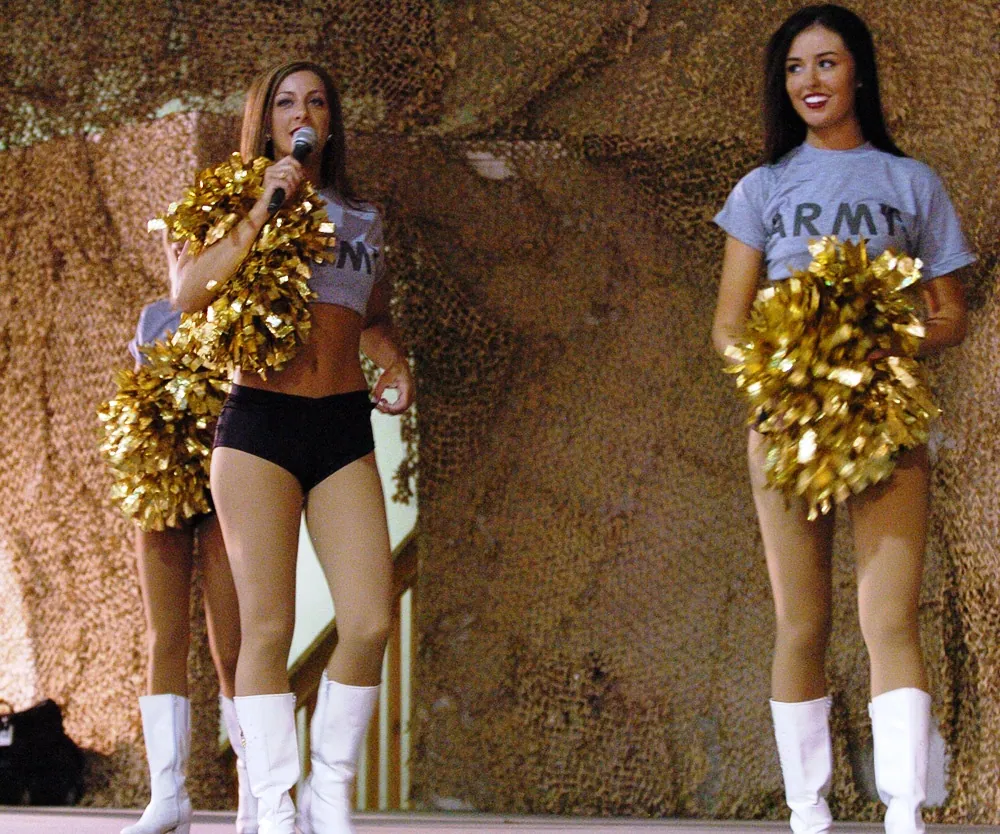
The Minnesota Vikings Cheerleaders are the official cheer squad for the NFL franchise, established in 1984. They perform at every home game in U.S. Bank Stadium and engage in community outreach and game day entertainment. The squad's history includes predecessors like the Vi-Queens and high school groups. Alongside the cheerleaders, the team's mascot history, fan traditions like the Skol chant, and the overall game day atmosphere create a distinctive identity for Vikings supporters. This article details these elements of the franchise's fan culture.
Minnesota Vikings Cheerleaders
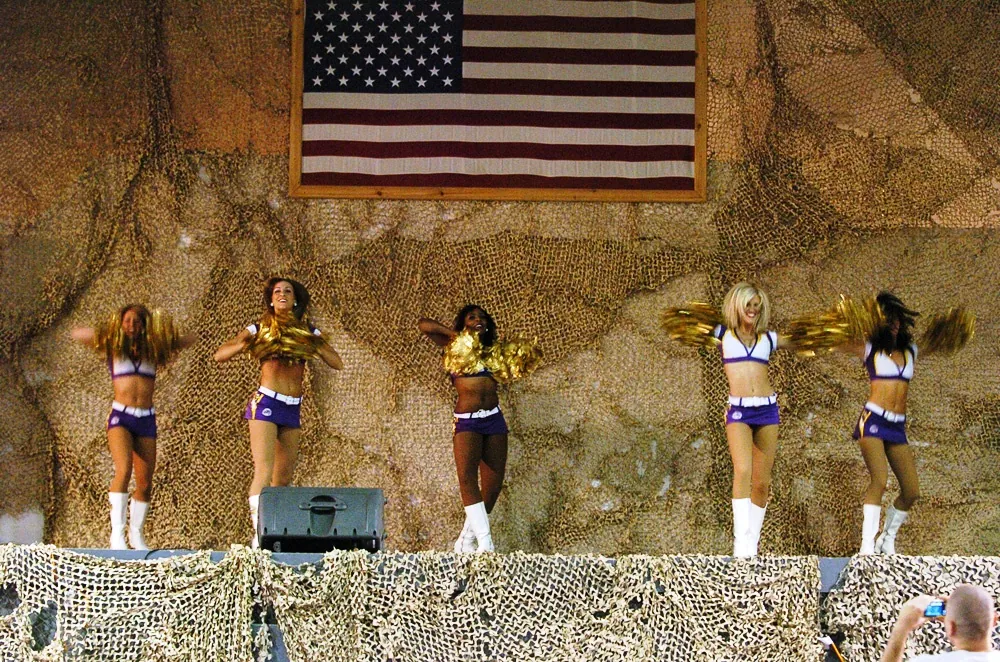
Before their creation, game day entertainment was provided by groups like the Vi-Queens from 1961 to 1963 and various local high school squads including the St. Louis Park High School Parkettes. The MVC performs at all Vikings home games, which have been held at U.S. Bank Stadium since the 2016 season. The squad maintains a roster of 35 members. Beyond game day performances, the MVC engages in extensive community work, making appearances at parades, schools, and charity events throughout Minnesota.
The cheerleaders operate a Junior Minnesota Vikings Cheerleaders program designed to mentor young fans. This program includes divisions for girls aged 3 to 5 and 6 to 14. The MVC also releases an annual swimsuit calendar, a tradition that began in 2001. The squad is directed by Jacie Scott and maintains active social media profiles on platforms like Instagram and Facebook to connect with fans.
During the 2025 preseason, the Vikings added two male cheerleaders named Louie Conn and Blaize Shiek to the squad. This decision generated national media attention and backlash on some social media platforms. The team defended the move with an official statement noting that male cheerleaders had been part of previous Vikings teams and have a long history in collegiate and professional cheerleading. The 2026 Cheerleaders Roster includes members named Annie, Ashley, Blaize, Brooklyn, Caitlin, Elizabeth, Ella, and Emma.
History of Vikings Mascots
The Minnesota Vikings have featured several mascots throughout their history, each with a unique origin story and fan connection. The first official mascot was Hub Meeds, whose tenure began entirely by accident. On January 11, 1970, Hub Meeds and his brother-in-law Dan Jeans went to Tulane Stadium to watch Super Bowl IV. They were wearing rented Vikings costumes and entered the stadium through an open player gate, where staff allowed them onto the field. After the game, Meeds asked the team to become the permanent mascot, a role he held from 1970 through the 1992 season. Hub Meeds crafted his own costume, which included a faux fur vest, a cow horn modified into a Gjallarhorn, a shield made from a children's sled, and a German prop sword from 1888 he purchased at auction for 26 dollars. The Vikings honored him as one of the 60 Greatest Vikings Fans, and his costume is displayed in the Minnesota Vikings Museum. He returned to wear the costume for special games in 2010 and for the Metrodome's final game in 2013.
Following a year without a mascot in 1993, the Vikings introduced Ragnar, portrayed by Joe Juranitch, in 1994. Ragnar was a larger-than-life Viking warrior who made dramatic entrances on a custom purple motorcycle. He became a hugely popular symbol of the team's Norse heritage. His tenure ended abruptly in 2015 after contract negotiations broke down, with reports indicating Juranitch sought a significant pay increase. Another 1990s mascot was Vikadontis Rex, a purple dinosaur who served as the mascot for the Vikings Children's Fund before being retired before the 2000 season.
- Hub Meeds: First mascot, served from 1970 to 1992.
- Ragnar: Portrayed by Joe Juranitch from 1994 to 2015.
- Vikadontis Rex: Purple dinosaur mascot for the Children's Fund in the 1990s.
- Viktor the Viking: Current mascot, debuted in 2007.
Viktor the Viking
Viktor the Viking is the current official mascot of the Minnesota Vikings, first unveiled during the 2007 NFL season. The team developed Viktor after previous attempts to create a lasting team-based mascot, with a specific goal of connecting with younger fans. Viktor wears a purple Vikings uniform with the number 1 and a horned helmet. He is a constant presence on the sidelines during home games at U.S. Bank Stadium, interacting with fans, leading cheers, and participating in in-game promotions and activities. Viktor also makes numerous appearances at community events, schools, and charity functions throughout the year, extending the team's brand beyond game days. His introduction followed the departure of the human-performer mascot Ragnar. The team had been without an official mascot from 1993 until Ragnar's debut in 1994. Viktor the Viking, introduced in 2007, became the primary mascot after Ragnar's departure in 2015.
Fan Traditions and the Skol Chant
Minnesota Vikings fans, known for their passionate support, have developed several distinctive game day traditions. The most recognizable is the Skol chant, accompanied by the team's official fight song, Skol, Vikings. This ritual typically occurs after the Vikings score a touchdown or during key defensive stands, uniting the crowd in U.S. Bank Stadium. The chant and fight song are integral to the auditory identity of a Vikings home game.
Another tradition involves fan costumes and themes that pay homage to the team's namesake. Many fans dress in Viking-themed attire, including horned helmets and fur vests. The fan base's identity is deeply tied to the Scandinavian American heritage of Minnesota, which inspired the team's name when it was chosen on September 27, 1960. The team's colors of purple, gold, and white dominate the stadium on game days, creating a unified visual spectacle.
Game Day Atmosphere at U.S. Bank Stadium
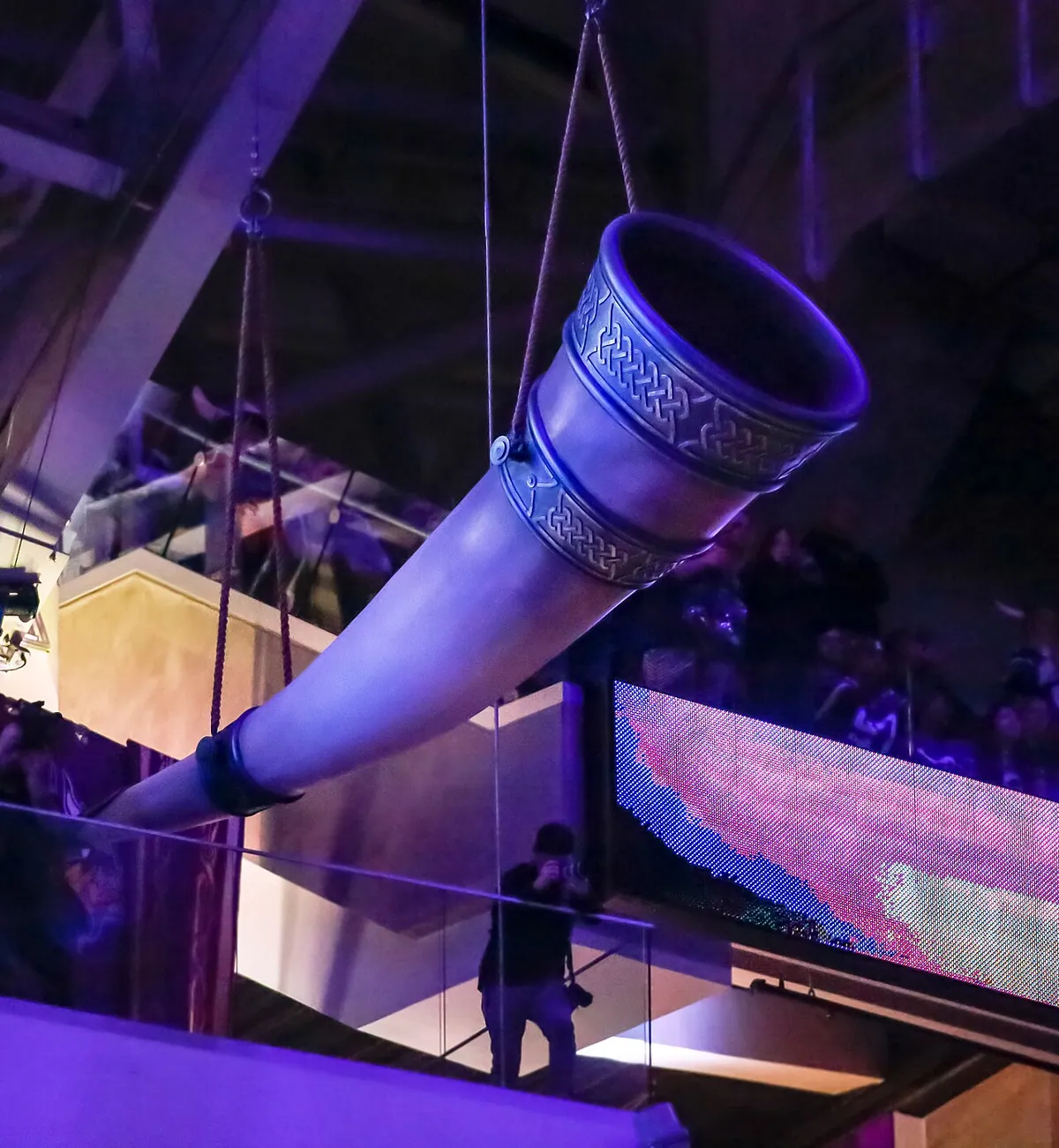
The Minnesota Vikings have played their home games at U.S. Bank Stadium in Minneapolis since the 2016 season. The stadium is the latest in a series of home venues that have included the Hubert H. Humphrey Metrodome from 1982 to 2013 and TCF Bank Stadium as a temporary home during the 2014 and 2015 seasons. The crowd noise within U.S. Bank Stadium is a notable feature of Vikings home games, a legacy from the loud indoor environment of the Metrodome era. A typical game day features the full spectacle of Vikings entertainment. The Minnesota Vikings Cheerleaders perform choreographed routines on the sidelines and during breaks in the action. Viktor the Viking roams the stands and field, engaging with spectators. The Skol chant is a frequent occurrence, often amplified by the stadium's sound system and video boards. This consistent competitiveness has helped maintain a lively atmosphere on game days.
Community Involvement and Alumni
The spirit of the Minnesota Vikings extends beyond the stadium through extensive community programs led by the cheerleaders and mascot. The Minnesota Vikings Cheerleaders are involved in community service, regularly visiting schools, hospitals, and participating in charity fundraisers. Their Junior Cheerleader program includes divisions for young girls and is designed to enrich their interests. Viktor the Viking makes appearances at community events, bringing the team's spirit to fans across the region. The organization maintains connections with its alumni, including former cheerleaders and mascots. Hub Meeds, the original mascot, remains a celebrated figure, honored by the team and featured in the museum. The team's commitment to its history is evident in the Minnesota Vikings Museum, which opened in 2018 and displays artifacts like Meeds' costume and gear.
Evolution of Game Day Entertainment
The presentation of Minnesota Vikings home games has evolved significantly since the team's first season in 1961. The introduction of the first mascot, Hub Meeds, in 1970 added a new visual element to the sidelines at Metropolitan Stadium. The move to the Hubert H. Humphrey Metrodome in 1982 provided an indoor venue where crowd noise became a defining characteristic. Meeds continued his role at the Metrodome until 1992. The 1994 debut of Ragnar marked a shift towards a more theatrical, character-driven mascot performance. His departure in 2015 and the established presence of Viktor the Viking since 2007 represent different eras in the team's mascot history. The cheerleading squad was formalized in 1984, creating a permanent game day entertainment team.
| Time Period | Primary Home Stadium | Primary Mascot(s) |
|---|---|---|
| 1970 to 1981 | Metropolitan Stadium | Hub Meeds |
| 1982 to 1992 | Hubert H. Humphrey Metrodome | Hub Meeds |
| 2014 to 2015 | TCF Bank Stadium | Ragnar |
| 2016 to 2026 | U.S. Bank Stadium | Viktor the Viking |
Video
FAQ
When were the Minnesota Vikings Cheerleaders established?
The official Minnesota Vikings Cheerleaders squad was formed in 1984. Before that, other groups performed at games, including the Vi-Queens from 1961 to 1963 and local high school teams like the St. Louis Park High School Parkettes. The current squad has 35 members and performs at every Vikings home game held at U.S. Bank Stadium. The cheerleaders also participate in community events and release an annual swimsuit calendar.
What is the name of the Minnesota Vikings mascot?
The Minnesota Vikings' current mascot is Viktor the Viking, who first appeared in 2007. Previous mascots include Hub Meeds, who served from 1970 to 1992, and Ragnar, who was active from 1994 to 2015. Another mascot from the 1990s was Vikadontis Rex, a purple dinosaur. Viktor is a costumed character designed to interact with fans during games and community events.
What is the Vikings fight song and what does 'Skol' mean?
The Minnesota Vikings' fight song is called Skol, Vikings. During games, fans perform the Skol chant, which involves clapping and shouting the word. This tradition is a defining feature of the game day experience at U.S. Bank Stadium. The team's name and themes are derived from the Vikings of medieval Scandinavia, reflecting the Scandinavian American culture of Minnesota.
Did the Vikings recently add male cheerleaders?
The Vikings added two male cheerleaders, Louie Conn and Blaize Shiek, to their squad in the 2025 preseason. This decision received national media coverage and sparked discussion on social media. The team issued a statement supporting the inclusion, noting that male cheerleaders have historical precedent with the Vikings and in cheerleading generally. The name Blaize appears on the 2026 Cheerleaders Roster.
Who was the Vikings' first mascot and how did he start?
Hub Meeds was the first mascot for the Minnesota Vikings. His role began unexpectedly at Super Bowl IV on January 11, 1970, when he and his brother-in-law entered Tulane Stadium in costume through an open gate. Stadium staff allowed them onto the field, mistaking them for official personnel. After the game, Meeds proposed becoming the team's permanent mascot, a position he held for 23 seasons until 1992.
Where do the Vikings play their home games?
The Minnesota Vikings have played home games at U.S. Bank Stadium in Minneapolis since 2016. From 1982 to 2013, their primary venue was the Hubert H. Humphrey Metrodome in Minneapolis. They used TCF Bank Stadium as a temporary home from 2014 to 2015. The team's original home from 1961 to 1981 was Metropolitan Stadium in Bloomington, Minnesota.
Sources
- Minnesota Vikings Cheerleaders (Wikipedia) Wikipedia
- Minnesota Vikings (Wikipedia) Wikipedia
- A brief history of Minnesota Vikings mascots dailynorseman.com
- 60 Greatest Vikings Fans, Hub Meeds vikings.com
- The ultimate Vikings fan, Signature Stories, WordPress.com signaturestoriesblog.wordpress.com
- Hub Meeds, Viktor & Ragnar the Viking, Minnesota Vikings sportmascots.com
- nflverse game, roster and draft data nflverse (CC BY 4.0)