The New York Jets are a professional American football team based in the New York metropolitan area that plays in the East division of the American Football Conference. Founded on August 14, 1959, as the Titans of New York, a charter member of the American Football League, the franchise took the Jets name in 1963 and joined the NFL in the 1970 merger. The Jets won Super Bowl III in January 1969, beating the heavily favored Baltimore Colts 16-7 behind quarterback Joe Namath, and they have not returned to the Super Bowl since. The team plays its home games at MetLife Stadium in East Rutherford, New Jersey, which it shares with the New York Giants. The Jets are owned by Woody Johnson and Christopher Johnson and coached by Aaron Glenn, and they hold the longest active playoff drought in the NFL, with no postseason appearance since the 2010 season.
From the Titans of New York to the Jets
The first organizational meeting of the American Football League took place on August 14, 1959, and Harry Wismer, representing New York, was granted one of its charter franchises. Wismer, a broadcaster who had once held a 25% stake in the Washington Redskins, named the team the Titans, explaining that titans are bigger and stronger than giants. The Titans began play in 1960 at the Polo Grounds in upper Manhattan, the former home of the football and baseball Giants, and went 7-7 in each of their first two seasons under coach Sammy Baugh. Attendance dropped in the second year, debts mounted, and in 1962 the AFL had to take over the team's costs until the end of the season.
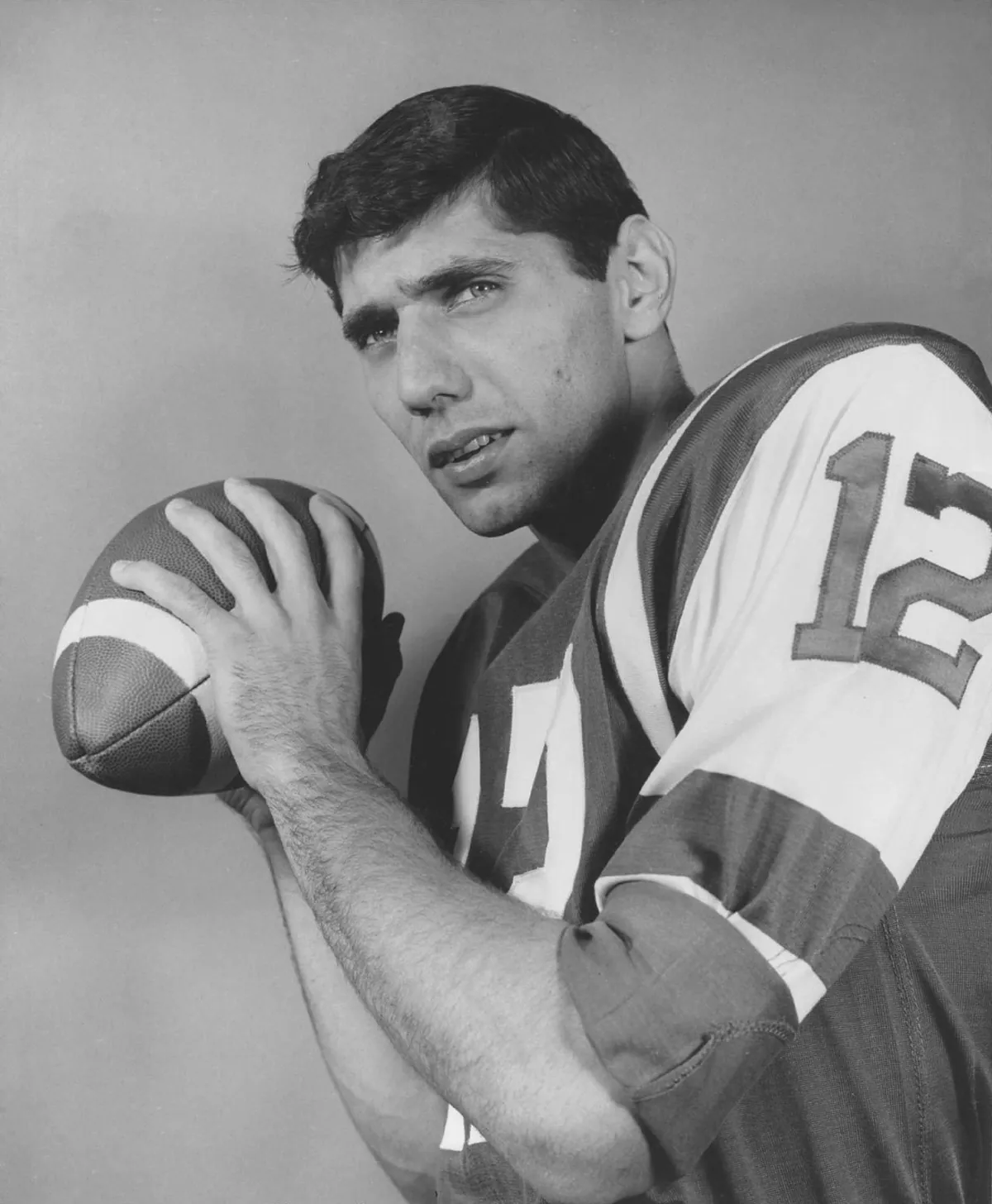
In February 1963 a five-man syndicate of Sonny Werblin, Leon Hess, Philip H. Iselin, Townsend B. Martin and Donald C. Lillis bought the bankrupt franchise for $1 million. Werblin, a former head of the television division of the Music Corporation of America, renamed the team the New York Jets, because it would play near LaGuardia Airport and because the name rhymed with the Mets, who would share Shea Stadium. The new owners hired Weeb Ewbank, who had won championships with the Baltimore Colts in the 1950s, as general manager and head coach. On January 2, 1965, Werblin signed Alabama quarterback Joe Namath to a rumored $400,000 contract, a signing that helped bring about the end of the war between the AFL and the NFL.
The 1968 champions and Super Bowl III
The 1968 season was the high point in the history of the franchise. Led by Ewbank, Namath and Don Maynard, the Jets won the AFL East with an 11-3 record and beat the Oakland Raiders 27-23 in the AFL Championship Game at Shea Stadium. They then defeated the heavily favored Baltimore Colts 16-7 in Super Bowl III at the Orange Bowl in Miami, a game in which Namath had famously guaranteed a win. It was the first time an AFL team had beaten an NFL club in the AFL-NFL World Championship Game, and the result strengthened the position of the AFL in professional football.
The Jets won the AFL East again in 1969 but lost to Kansas City in a first-round playoff game. Super Bowl III remains their only Super Bowl appearance, which makes them one of two NFL teams, along with the New Orleans Saints, to have won their lone appearance in the game. Since the 1970 merger the Jets have never won a conference championship, a distinction they share with the Cleveland Browns, the Detroit Lions, the Jacksonville Jaguars and the Houston Texans. In 2023 their title drought passed the 54-year drought of the New York Rangers, from 1940 to 1994, as the longest among the major professional teams of New York.
Eras after the merger
After the merger the team fell into a long period of mediocrity, and Namath had only three successful seasons after the merger as injuries hampered his career. The Jets recovered in the 1980s under coaches Walt Michaels and Joe Walton, a decade remembered for the popular New York Sack Exchange. They reached the playoffs in 1981, 1982, 1985, 1986 and 1991, and in the strike-shortened 1982 season they advanced to the AFC Championship Game, where they lost 14-0 to Miami. The early 1990s were difficult again, as Pete Carroll went 6-10 in his only season and Rich Kotite then went 4-28 over two years.
Leon Hess, by then the sole owner, brought in Bill Parcells from the New England Patriots in 1997, and Parcells took the Jets back to the AFC Championship Game in 1998. When Parcells stepped down after the 1999 season, his assistant Bill Belichick resigned the very next day, leaving a napkin on which he had written "I resign as HC of the NYJ", and went on to coach the Patriots. Under Herm Edwards, Eric Mangini and Rex Ryan, the Jets reached the playoffs five times in the 2000s, a franchise record. Over its whole history the franchise has won 4 division titles, but only two of them since 1970, the fewest of any NFL team in the post-merger era.
- 1968: AFL East, coach Weeb Ewbank, 11-3
- 1969: AFL East, coach Weeb Ewbank, 10-4
- 1998: AFC East, coach Bill Parcells, 12-4
- 2002: AFC East, coach Herm Edwards, 9-7
Rex Ryan was hired in January 2009, and the Jets drafted quarterback Mark Sanchez of USC with the fifth overall pick that spring. Ryan and Sanchez led the team to the AFC Championship Game in each of their first two seasons, losing to the Indianapolis Colts 30-17 and to the Pittsburgh Steelers 24-19. The Jets did not reach the playoffs again under Ryan, and after a 4-12 season in 2014 Sanchez was released and Ryan and general manager John Idzik were fired. Since the 1999 season the Jets have gone 184-253 in the regular season through 2025 and 6-6 in the playoffs, with no Super Bowl appearance.
Polo Grounds, Shea Stadium and the Meadowlands
The Titans played their first four seasons at the Polo Grounds, the last of them as the Jets, and they were the final team to host a game there, a 19-10 loss to the Buffalo Bills on December 14, 1963. In 1964 the Jets moved to the newly built Shea Stadium in Queens, where they set an AFL attendance record of 45,665 in the season opener against the Denver Broncos. The baseball Mets had first use of the stadium until their season was over, so the Jets usually had to open with several road games, a problem made worse by the long Mets playoff runs of 1969 and 1973. Hess wanted the city to expand Shea and change the lease, which was due to expire in 1983, but his proposals met resistance from mayor Ed Koch, and the Jets left for New Jersey after a 34-7 loss to the Pittsburgh Steelers in their final game at Shea on December 10, 1983.
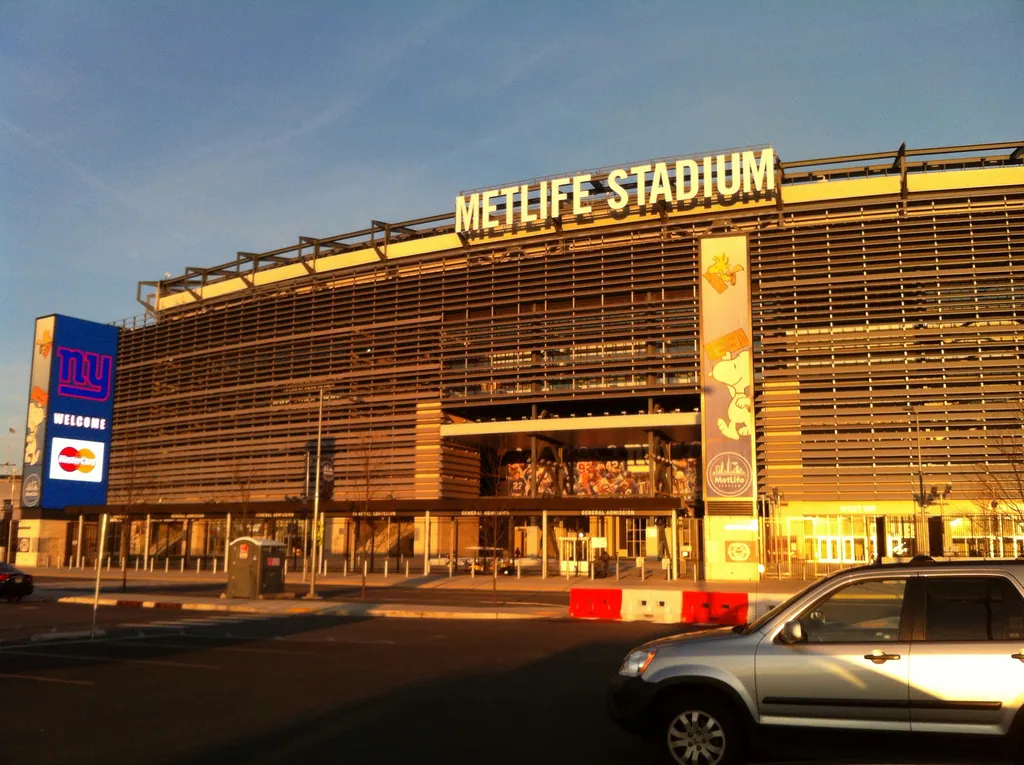
From 1984 the Jets shared Giants Stadium at the Meadowlands Sports Complex with the Giants, who refused to change its name, so the grounds crew hung green banners and placed Jets logos over those of the Giants on game days. The Jets played the first NFL playoff game in the history of the stadium, losing to the Patriots on December 28, 1985. Since 2010 they have played at MetLife Stadium, also shared with the Giants, in East Rutherford, New Jersey, five miles west of New York City. The Jets have not had an average attendance below 54,051 per game since 1964 and have not had a game fail to sell out in more than 25 years. The team trained at Hofstra University on Long Island until 2008, when the Atlantic Health Jets Training Center opened in Florham Park, New Jersey.
Owners, colors and the Giants rivalry
Hess gradually bought out his partners, starting with Werblin in 1968, became majority stockholder in 1973 and gained sole control when he bought the stake of Helen Dillon, the daughter of Donald Lillis, for $5 million. He generally left football decisions to his coaches and general manager but took losses hard, and in 1995 he told a press conference, "I'm 80 years old, I want results now". Hess died on May 7, 1999, and Woody Johnson, an heir of the family that founded Johnson & Johnson, bought the franchise for $635 million in 2000. While Woody Johnson served as United States ambassador to the United Kingdom from 2017 to 2021, his brother Christopher Johnson ran day-to-day operations, and the two are listed together as the current owners.
The Jets share the New York market, the largest television market in the United States, with the Giants, and the two clubs have shared a home stadium since 1984. As the younger and historically less successful team, the Jets are seen by some fans as a little brother to the Giants. The teams play in different conferences and meet only rarely, but players and fans still regularly stoke the rivalry. The size of the market has kept the franchise valuable, and Forbes ranked the Jets the seventh most valuable NFL team in 2023 at an estimated $6.1 billion.
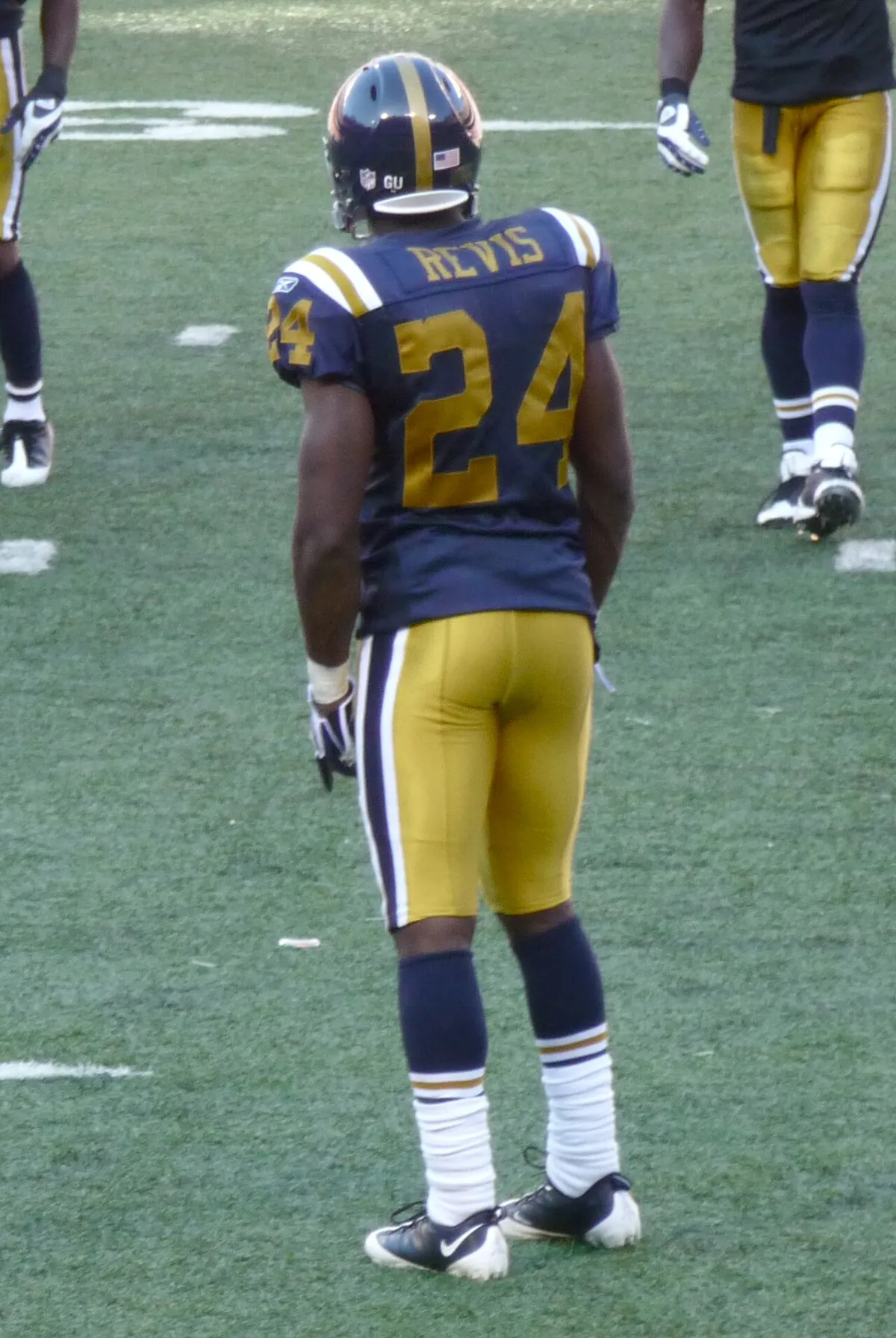
The team colors are green and white, and black has served as a third or trim color, with a black alternate uniform since 2019. For most of their history the Jets wore white helmets with green stripes, while the current primary uniforms are based on the design used from 1978 to 1989, with green helmets and a wordmark logo topped by a jet-plane silhouette. Joe Namath and cornerback Darrelle Revis are among the Jets players honored in the Pro Football Hall of Fame. Weeb Ewbank, who coached the 1968 team, is still the only head coach to lead the franchise to a championship.
The Jets today
The Jets have not reached the playoffs since the 2010 season, the longest active drought in the NFL and the longest in the four major North American sports leagues. Todd Bowles went 10-6 in 2015 but missed the postseason before three last-place finishes, and the team drafted quarterback Sam Darnold third overall in 2018. Under Robert Saleh the Jets drafted quarterback Zach Wilson second overall in 2021 and later traded for Aaron Rodgers, who tore his Achilles tendon on the first offensive series of the 2023 season. Saleh was fired after a 2-3 start in 2024, Rodgers was released in February 2025, and former Detroit Lions defensive coordinator Aaron Glenn was named head coach.
Glenn's first season in 2025 ended at 3-14, and the team was 3-8 in the 2026 season through November 27. Geno Smith is the quarterback, Garrett Wilson is one of his receivers, and offensive coordinator Frank Reich moved to the sideline during the season. The Jets won on the road against the Los Angeles Chargers in Week 11 and were preparing for a Week 12 game at the Miami Dolphins. Entering Week 12 they held two picks in the top five of the 2027 NFL Draft order.
Video
FAQ
How many Super Bowls have the New York Jets won?
The New York Jets have won 1 Super Bowl, Super Bowl III, played in January 1969 at the Orange Bowl in Miami. They beat the heavily favored Baltimore Colts 16-7, the first win by an AFL team over an NFL club in the championship game. It is the only Super Bowl appearance in franchise history. The Jets and the New Orleans Saints are the only NFL teams to have won their lone Super Bowl appearance.
What were the New York Jets called before?
The Jets were originally called the Titans of New York, a name chosen by founding owner Harry Wismer when the team joined the new American Football League in 1959. The Titans played at the Polo Grounds from 1960 and struggled financially under Wismer. A syndicate led by Sonny Werblin bought the team in February 1963 and renamed it the New York Jets. The name referred to LaGuardia Airport near Shea Stadium and rhymed with the Mets, the baseball team that shared the stadium.
When did the Jets leave New York for New Jersey?
The Jets moved to New Jersey in 1984, after lease talks with New York mayor Ed Koch over Shea Stadium reached an impasse. They played their last game at Shea on December 10, 1983, and the scoreboard that day read N.J. Jets. From 1984 they played at Giants Stadium in the Meadowlands, and since 2010 they have played at MetLife Stadium in East Rutherford. Before that, the team had played in Manhattan at the Polo Grounds and in Queens at Shea Stadium.
Who is older, the Jets or the Giants?
The Giants are the older franchise, and the Jets are often described as the younger of the two New York teams. The Jets were founded in 1959 as the Titans of New York and began play in 1960 in the American Football League. They entered the NFL with the 1970 merger, and the two clubs now play in different conferences. Since 1984 they have shared a home stadium, first Giants Stadium and now MetLife Stadium.
When did the Jets last make the playoffs?
The Jets last made the playoffs in the 2010 season, when they reached the AFC Championship Game and lost 24-19 to the Pittsburgh Steelers. It was their second straight trip to the conference title game under Rex Ryan and Mark Sanchez. They have qualified for the postseason 12 times in all and have reached the AFC Championship Game four times. Their drought since 2010 is the longest active one in the NFL.
Who owns the New York Jets?
Woody Johnson and his brother Christopher Johnson are the owners of the New York Jets, and Christopher Johnson is also the chief executive officer. Woody Johnson, an heir of the family that founded Johnson & Johnson, bought the franchise for $635 million in 2000 after the death of Leon Hess. Christopher Johnson ran the team from 2017 to 2021 while his brother served as United States ambassador to the United Kingdom. Forbes ranked the Jets the seventh most valuable NFL franchise in 2023.
Sources
- New York Jets (Wikipedia) Wikipedia
- New York Jets newyorkjets.com
- New York Jets News, Scores, Stats, Schedule NFL
- Team history Pro Football Hall of Fame
- New York Jets | Sports and Leisure | Research Starters | EBSCOhost ebsco.com
- nflverse game, roster and draft data nflverse (CC BY 4.0)