The New York Jets have won one Super Bowl in franchise history, appearing in the championship game only once. Their sole victory came in Super Bowl III on January 12, 1969, when they defeated the Baltimore Colts 16-7. That triumph, led by quarterback Joe Namath, made the Jets the first American Football League team to defeat an NFL club in the Super Bowl. The franchise has not returned to the Super Bowl since that historic win. The team's playoff record from the 1999 season through the 2025 season is 6 wins and 6 losses. They currently hold the longest active playoff drought in the NFL.
The Lone Super Bowl Victory: Super Bowl III
The New York Jets' Super Bowl victory occurred at the end of the 1968 season. The team, coached by Weeb Ewbank, finished the regular season with an 11-3 record and defeated the Oakland Raiders 27-23 in the AFL Championship Game. This victory earned them a berth in Super Bowl III against the NFL champion Baltimore Colts, who were heavily favored. The game was played on January 12, 1969, at the Orange Bowl in Miami, Florida. Jets quarterback Joe Namath famously guaranteed a victory in the days leading up to the game, a promise he fulfilled with a 16-7 upset. The Jets' win proved the competitive legitimacy of the American Football League just before its merger with the NFL. The victory is consistently ranked among the greatest upsets in sports history.
The final score of 16-7 reflected a game where the Jets upset the heavily favored Colts. The team's success that season was built on a core of players developed by coach and general manager Weeb Ewbank. The championship remains the defining moment for a franchise that began play in 1960 as the Titans of New York. The Jets' colors are legacy green, legacy white, and legacy black, and they currently play their home games at MetLife Stadium in East Rutherford, New Jersey. The franchise is legally organized as a limited liability company named New York Jets, LLC.
Super Bowl Appearances and Results
The Jets' Super Bowl history consists of a single, perfect record. Their appearance in Super Bowl III remains the franchise's only trip to the NFL's championship game. Along with the New Orleans Saints, the Jets are one of just two NFL teams to have won their lone Super Bowl appearance. The following table details the team's complete Super Bowl results.
The Jets have not won an AFC Championship since the AFL-NFL merger in 1970, which is required to advance to the Super Bowl. They are one of five teams never to win an AFC championship since the merger, along with the Cleveland Browns, Detroit Lions, Jacksonville Jaguars, and Houston Texans. The team's all-time record, including its time as the Titans, is 439 wins, 581 losses, and 8 ties through the 2026 season. Their overall playoff record is 12 wins and 13 losses. The championship drought is the longest among New York's major professional sports franchises.
AFC Championship Game Near Misses
The Jets have reached the AFC Championship Game four times. The most recent attempts occurred in the 2009 and 2010 seasons under head coach Rex Ryan. In the 2009 season, the Jets finished with a 9-7 regular season record. They lost the AFC Championship Game to the Indianapolis Colts by a score of 17-30. The following season, the Jets posted an 11-5 record and again reached the conference final. They lost the AFC Championship Game to the Pittsburgh Steelers by a score of 19-24. These back-to-back appearances under Ryan mark the franchise's deepest playoff runs from the 1999 season onward. The Jets have lost their AFC Championship Game appearances since winning Super Bowl III. The Jets hold the longest active postseason drought in the league as of the 2026 season.
Playoff History and Drought Since 1999
The Jets' playoff fortunes since the 1999 season illustrate a pattern of sporadic success followed by a prolonged absence. From 1999 through the 2025 season, the team qualified for the postseason six times, compiling a playoff record of 6-6 over 12 games. Their most consistent period of contention occurred in the early 2000s under coach Herm Edwards and later under Rex Ryan. The 2009 and 2010 seasons featured the consecutive AFC Championship Game appearances, which represent the franchise's peak in the modern era.
Since the 2010 AFC Championship Game loss, the Jets have failed to return to the playoffs. This drought is the longest current streak in the NFL. The 2026 season, which is in progress, has continued the trend. The team's playoff appearances from 1999 to 2025 are listed below with their regular season records.
- 2002 season: 9-7 record, lost in Divisional round.
- 2004 season: 10-6 record, lost in Divisional round.
- 2009 season: 9-7 record, lost in AFC Championship Game.
- 2010 season: 11-5 record, lost in AFC Championship Game.
Franchise Context and Historical Significance
The Jets' Super Bowl victory is a foundational part of both franchise and NFL history. The franchise was established on August 14, 1959, and began play the following year as the Titans of New York, a charter member of the American Football League. After a name change and new ownership in 1963, the Jets moved to Shea Stadium. The 1968 championship season, culminating in Super Bowl III, cemented the team's place in football history. The win proved the AFL could compete at the highest level, changing the perception of the league and its players. Joe Namath's guarantee and the subsequent victory remain one of the most significant moments in American sports. In the decades since, the Jets have largely struggled to maintain consistent success. The Jets have won the AFC East division only four times in their history, which is the fewest division titles of any team in the post-merger era. The team's history is thus defined by one monumental peak and a long, challenging quest to return to that height.
Key Figures in Super Bowl III and Franchise History
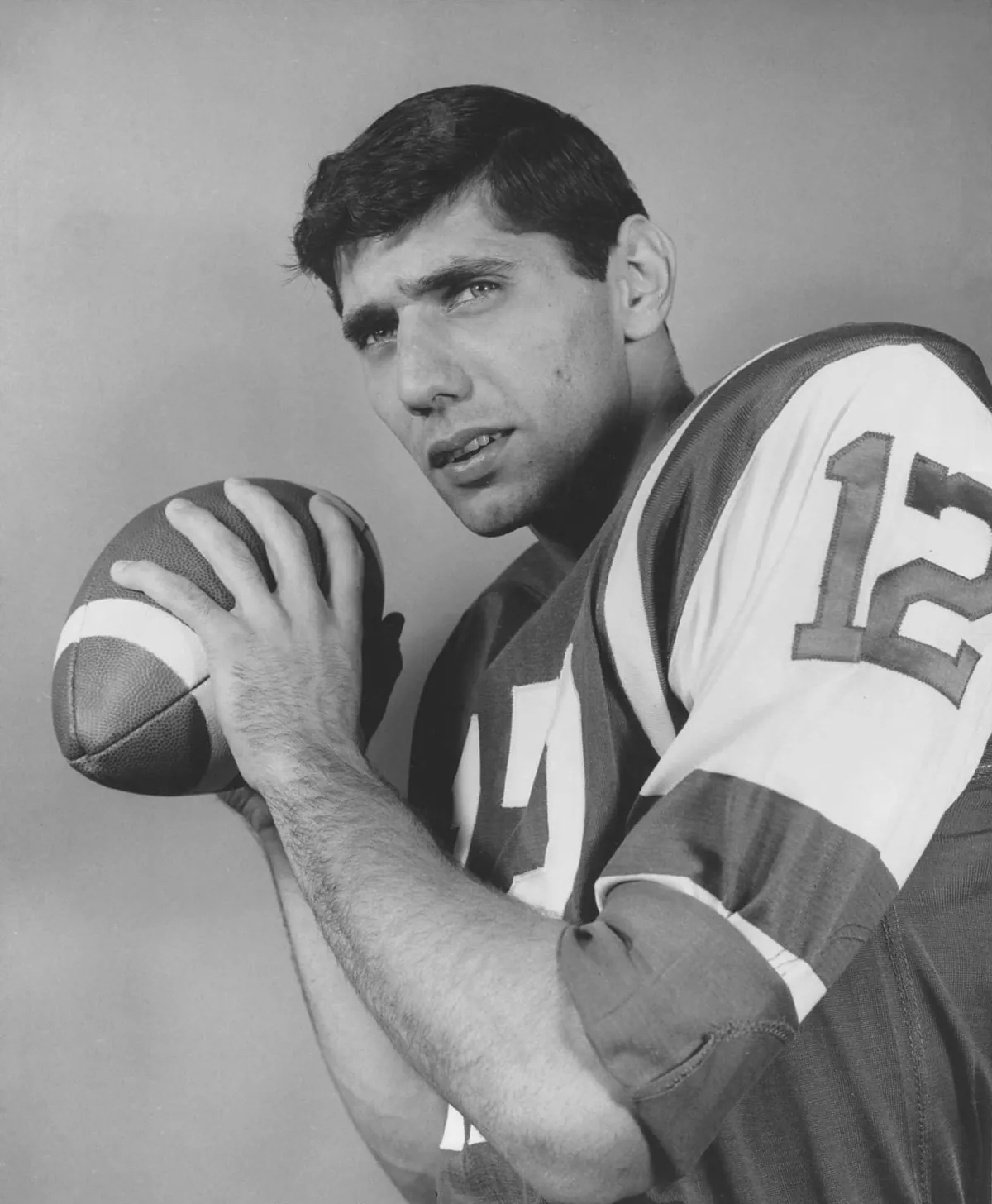
The Jets' Super Bowl victory was achieved through the contributions of several key individuals. Head coach Weeb Ewbank, who also served as general manager, built the team and crafted the game plan that defeated the Colts. Quarterback Joe Namath was the charismatic leader and on-field executor, whose performance earned him Super Bowl MVP honors. The Jets' defense was a critical factor in the upset victory.
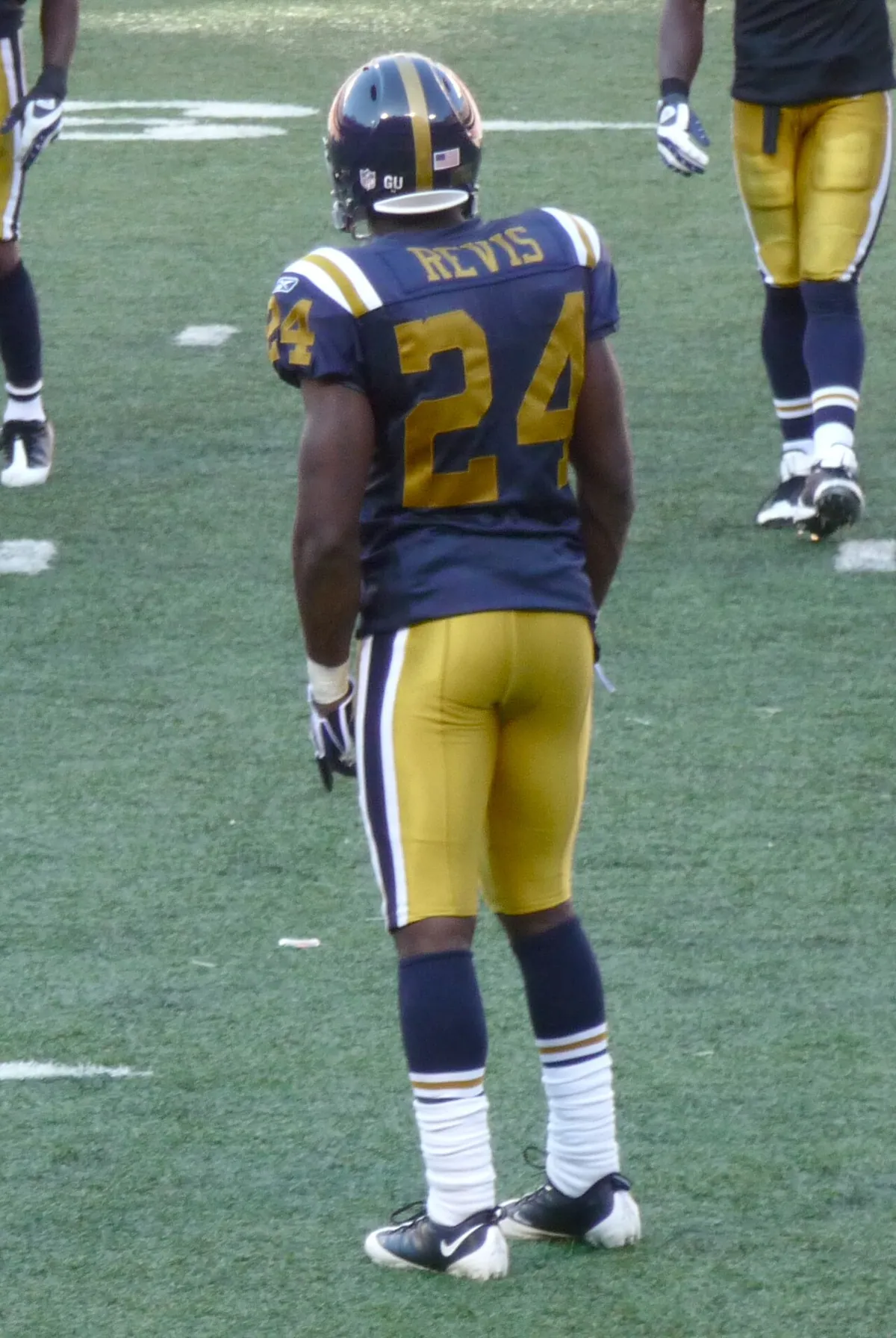
The win was a complete team effort. This group remains immortalized in franchise history as the only Jets team to win a world championship. Important franchise figures from the Super Bowl era and beyond include ownership and leadership. Sonny Werblin led the syndicate that bought the team in 1963, renamed it the Jets, and signed Joe Namath. Leon Hess became the team's majority owner in 1973 and owned the team until his death in 1999. Woody Johnson purchased the franchise in 2000. The team's current owners are Woody Johnson and Christopher Johnson, with Hymie Elhai serving as team president.
Ownership and Organizational Timeline
The Jets' ownership history has seen several transitions that have impacted the franchise's direction. The team was originally owned by Harry Wismer, who established the Titans of New York in 1959. Financial difficulties led to the sale of the team to a five-man syndicate in 1963, led by Sonny Werblin, who renamed the team the Jets. Werblin's group signed Joe Namath and set the stage for the Super Bowl victory. Leon Hess gradually bought out his partners, becoming the sole owner by 1984. Hess owned the team until his death in 1999, a period that included the hiring of coach Bill Parcells.
This ownership history coincides with the team's stadium journey. The Titans began play at the Polo Grounds in 1960 before moving to Shea Stadium in 1964 after becoming the Jets. The team played at Shea Stadium until 1983, when they moved to Giants Stadium in the Meadowlands complex in New Jersey. The team currently plays its home games at MetLife Stadium, which it shares with the New York Giants. The team's headquarters and training facility is the Atlantic Health Jets Training Center in Florham Park, New Jersey. The organizational stability in ownership since 2000 has not yet translated into a return to the Super Bowl.

Recent Seasons and Current State
The Jets' performance in recent seasons has been characterized by losing records. Robert Saleh served as head coach from 2021 through part of the 2024 season. The team's record in the 2024 season was 5-12. Aaron Glenn was named head coach after the 2024 season. The 2025 season resulted in a 3-14 record under Glenn. The 2026 season, ongoing, finds the team with a 3-8 record. This recent stretch extends the franchise's playoff drought and continues its struggle to find consistent success.
The franchise's overall lack of success in the modern era is a stark contrast to its early triumph. The quest to return to the Super Bowl continues to define the organization's long-term goals. The team's general manager as of 2026 is Darren Mougey. The Jets' colors are legacy green, legacy white, and legacy black, and they have used black as an alternate uniform color since 2019.
Video
FAQ
How many Super Bowls have the Jets won?
The New York Jets have won one Super Bowl. Their lone championship came in Super Bowl III at the end of the 1968 season. They defeated the Baltimore Colts by a score of 16-7 on January 12, 1969. The Jets have not won another Super Bowl since that victory, making them one of two NFL teams with a single Super Bowl victory from a single appearance. The team's overall playoff record from the 1999 season through 2025 is 6 wins and 6 losses.
When did the New York Jets win their only Super Bowl?
The New York Jets won their only Super Bowl on January 12, 1969. This was Super Bowl III, where they defeated the Baltimore Colts by a score of 16-7 at the Orange Bowl in Miami. The victory was led by quarterback Joe Namath and made the Jets the first American Football League team to defeat an NFL team in the championship game. This win remains the franchise's lone Super Bowl appearance and championship.
What is the score and opponent from the Jets' Super Bowl victory?
The New York Jets defeated the Baltimore Colts 16-7 in Super Bowl III. The game took place on January 12, 1969, at the Orange Bowl in Miami. The Jets, representing the American Football League, were significant underdogs but secured a historic win. This victory is the franchise's only Super Bowl appearance and championship.
Which coach led the Jets to their Super Bowl win?
Weeb Ewbank was the head coach who led the New York Jets to their Super Bowl III victory. Ewbank also served as the team's general manager. Under his leadership in the 1968 season, the Jets compiled an 11-3 record, won the AFL championship, and then defeated the Baltimore Colts. This win on January 12, 1969, remains the franchise's sole Super Bowl championship.
Who did the New York Jets defeat in Super Bowl III?
The New York Jets defeated the Baltimore Colts in Super Bowl III. The final score was 16-7, with the Jets securing a historic upset as heavy underdogs. This victory on January 12, 1969, made the Jets the first American Football League team to defeat an NFL club in the AFL-NFL World Championship Game. The game was played at the Orange Bowl in Miami and remains the franchise's only Super Bowl win.
What is the significance of the Jets' Super Bowl III victory?
The Jets' Super Bowl III victory is historically significant as it marked the first time an American Football League team defeated an NFL team in the AFL-NFL World Championship Game. This 16-7 upset over the heavily favored Baltimore Colts on January 12, 1969, validated the competitiveness of the AFL. The win, led by quarterback Joe Namath and coach Weeb Ewbank, was a key moment just before the leagues merged. It remains the franchise's sole Super Bowl appearance and championship, a defining achievement in Jets history.
Sources
- New York Jets (Wikipedia) Wikipedia
- New York Jets | Super Bowl III 50th Anniversary Celebration newyorkjets.com
- How Many Super Bowl Appearances Have The Jets Had statmuse.com
- How many Super Bowls have the New York Jets won? List of championships, appearances, last Super Bowl win dazn.com
- New York Jets Super Bowl History superbowltickets.net
- nflverse game, roster and draft data nflverse (CC BY 4.0)