MetLife Stadium in East Rutherford, New Jersey, is the largest NFL stadium by listed seating capacity, holding 82,500 fans for the New York Giants and New York Jets. The stadium with the highest capacity for any NFL team is AT&T Stadium, home of the Dallas Cowboys, with a listed capacity of 80,000. Stadium capacity rankings are based on permanent fixed seating for standard NFL games, though some venues can expand significantly for major events. The largest stadium in the United States is Michigan Stadium, a college football venue with a capacity of 107,601, which highlights the significant size difference between the NFL and top NCAA programs. One of the smallest NFL stadiums is Soldier Field in Chicago, which seats 61,500 fans for the Chicago Bears.
Top 10 Largest NFL Stadiums
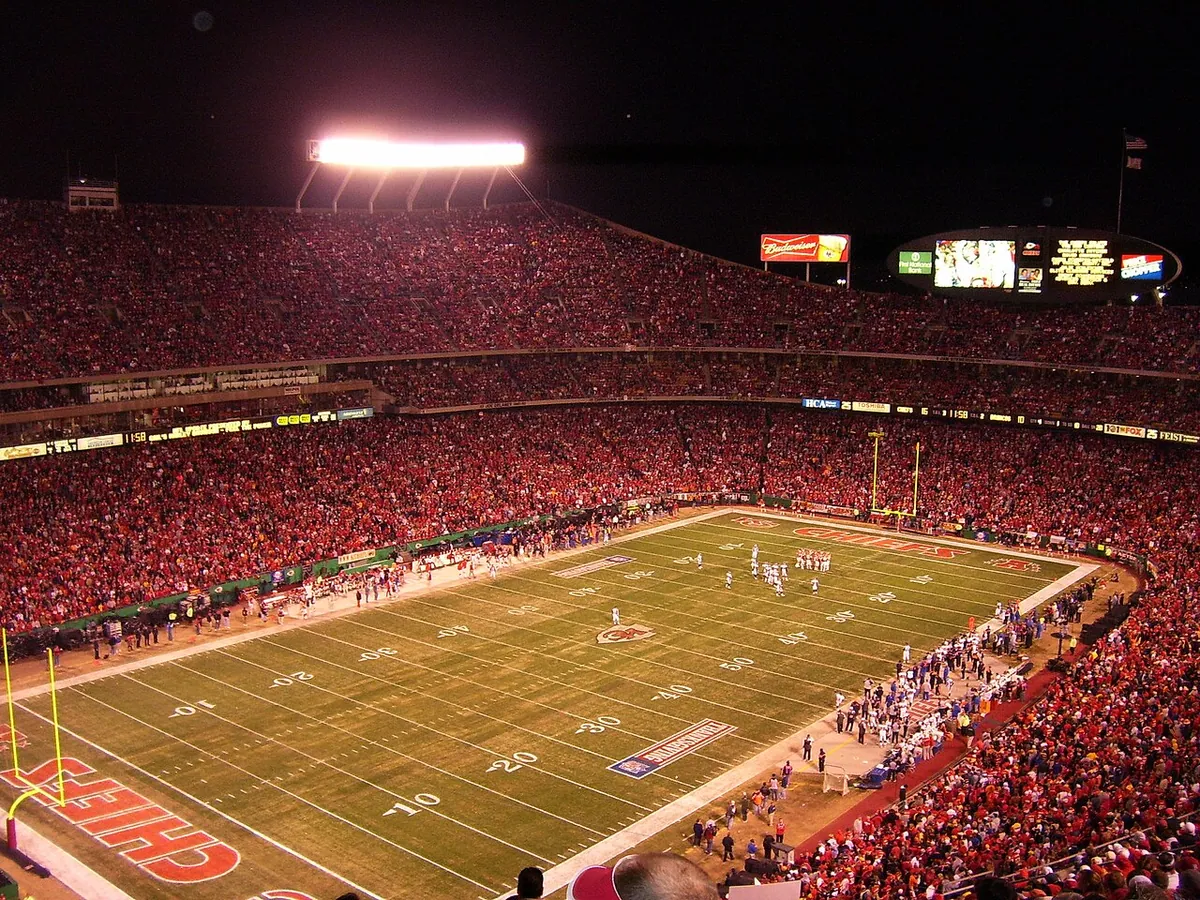
The NFL's largest stadiums by listed seating capacity form a list dominated by classic venues and modern facilities. MetLife Stadium leads the list with 82,500 seats, a capacity made possible by serving two NFL franchises. Lambeau Field, home of the Green Bay Packers, is second with 81,441 seats, a notable figure for a stadium in a city with a population of just 106,000. AT&T Stadium, often perceived as the largest, ranks third with a listed capacity of 80,000 for regular season games. The Kansas City Chiefs' Arrowhead Stadium holds 76,416 seats, while Empower Field at Mile High in Denver seats 76,125. Bank of America Stadium in Charlotte has a capacity of 75,037, and the Caesars Superdome in New Orleans holds 73,208. NRG Stadium in Houston seats 72,220, Highmark Stadium in Orchard Park holds 71,608, and M&T Bank Stadium in Baltimore rounds out the top ten with 70,745 seats. The gap between the largest and third-largest stadium is only 2,500 seats, showing how tightly packed the top of the list is.
Understanding Listed Capacity Versus Maximum Attendance
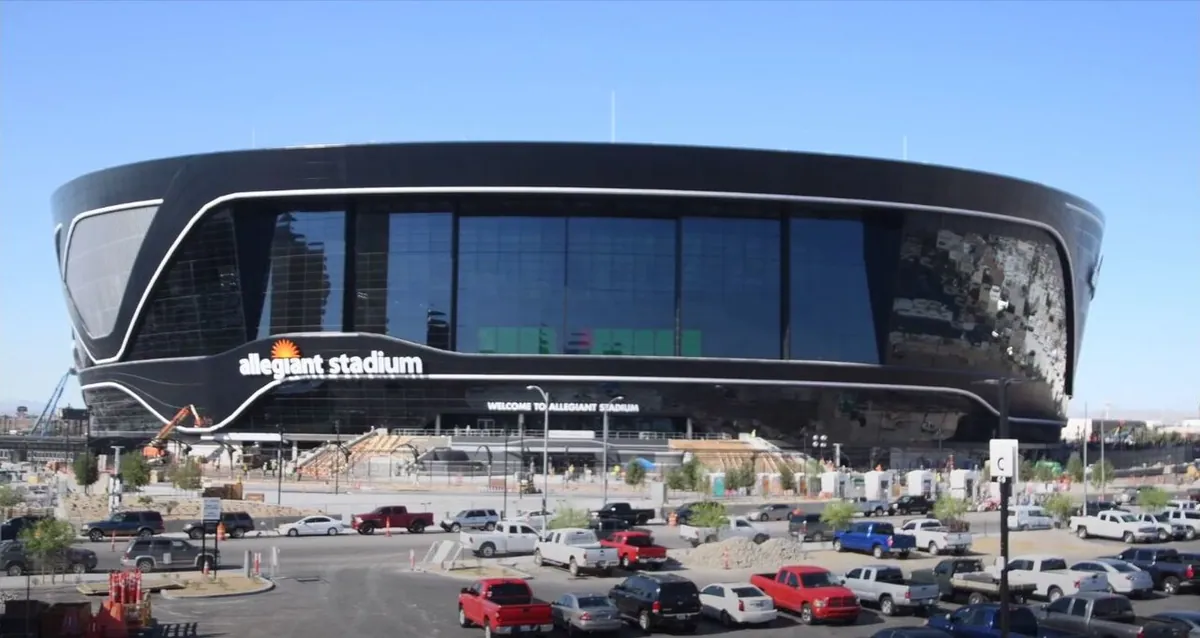
Listed seating capacity refers to the permanent fixed seats available for a standard NFL game configuration. This number is what the league officially uses for rankings and standard reporting. Some stadiums, however, are designed to accommodate far larger crowds for special events by utilizing temporary seating, standing-room-only areas, and party decks. AT&T Stadium is the prime example of this flexibility. While its listed capacity is 80,000, it has hosted events with attendance well over 100,000. The NFL single-game attendance record of 105,121 was set at AT&T Stadium during its opening game in September 2009. The venue also set a basketball attendance record of 108,713 for the 2010 NBA All-Star Game and hosted 131,372 fans across two nights for WrestleMania 38 in 2022. SoFi Stadium, home to the Los Angeles Rams and Chargers, operates similarly with a listed capacity of 70,240 but can expand for major events. This distinction means the 'biggest' stadium can change depending on whether one counts standard seating or maximum possible attendance.
Comparison of NFL and College Football Stadium Sizes
College football stadiums in the NCAA Division I Football Bowl Subdivision are generally much larger than NFL venues. The largest stadium in the United States is Michigan Stadium in Ann Arbor, home to the Michigan Wolverines, with a capacity of 107,601. Beaver Stadium at Penn State holds 106,304, and Ohio Stadium at Ohio State seats 102,780. Kyle Field at Texas A&M has a capacity of 102,733, and Tiger Stadium at LSU holds 102,321. Neyland Stadium at Tennessee seats 101,915, and Darrell K Royal, Texas Memorial Stadium at Texas holds 100,119. In contrast, the largest NFL stadium, MetLife Stadium, ranks 15th overall on the combined list of American football stadiums. This size disparity exists because college programs have massive student bodies and alumni bases, and their stadiums often serve as the centerpiece of large university campuses. NFL stadiums, while massive, are typically built with more premium seating and amenities, and their capacity is constrained by market size and the economics of selling out every game. Several stadiums, like the Rose Bowl and Cotton Bowl, host major college events but are not primary homes for NFL teams. The largest stadiums in the United States are predominantly college football venues, with several capacities exceeding 100,000 seats. The following list details the largest college stadiums and their capacities.
- Michigan Stadium (Michigan Wolverines): 107,601
- Beaver Stadium (Penn State Nittany Lions): 106,304
- Ohio Stadium (Ohio State Buckeyes): 102,780
- Kyle Field (Texas A&M Aggies): 102,733
- Tiger Stadium (LSU Tigers): 102,321
- Neyland Stadium (Tennessee Volunteers): 101,915
- Darrell K Royal, Texas Memorial Stadium (Texas Longhorns): 100,119
- Bryant, Denny Stadium (Alabama Crimson Tide): 100,077
Historic and Former NFL Stadiums
Many former NFL stadiums were among the largest of their eras but have since been demolished or replaced. John F. Kennedy Stadium in Philadelphia, closed in 1992, held 100,000 fans for the Eagles and Army-Navy games. Cleveland Stadium, home to the Browns until 1996, seated 81,000. The Silverdome in Pontiac, which housed the Detroit Lions and closed in 2006, had a capacity of 80,311. Giants Stadium in East Rutherford was home to both New York teams until 2010 with 80,242 seats. The Miami Orange Bowl, closed in 2008, held 74,476 for the Dolphins and Hurricanes. The Georgia Dome in Atlanta, replaced in 2017, seated 71,228. These venues often reflected older design philosophies prioritizing sheer capacity over luxury suites and fan amenities, which are central to modern stadium economics. Several other notable former stadiums had significant capacities and hosted major events before closing. The list below includes some of these important venues.
- Tulane Stadium: 80,985 (closed 1980, home to Saints and Sugar Bowl)
- Mile High Stadium: 76,273 (closed 2002, home to Broncos)
- Tampa Stadium: 74,301 (closed 1999, home to Buccaneers)
- San Diego Stadium: 70,561 (closed 2019, home to Chargers)
- Candlestick Park: 69,732 (closed 2014, home to 49ers)
- Texas Stadium: 65,675 (closed 2008, home to Cowboys)
- Three Rivers Stadium: 59,000 (closed 2001, home to Steelers)
Stadium Design and Configuration Trends
Modern NFL stadium design balances capacity with fan experience and revenue generation. Of the 32 current stadiums, 22 are open air, 5 have retractable roofs, 4 are fully indoor, and 1 features an open-air design under a canopy. The trend since 2016 has seen six new stadiums open, including Highmark Stadium in 2026 and SoFi Stadium in 2020. Newer venues often have slightly lower listed capacities than older ones, focusing instead on premium club seats, suites, and enhanced sightlines. The median seating capacity across the league is 69,066. Stadiums built for two teams, like MetLife and SoFi, present unique design challenges, requiring neutral aesthetics and configurations that serve two separate fan bases. The shared tenancy at MetLife is a key reason for its high capacity, as it was built to meet the combined season-ticket demand of the Giants and Jets. The total seating capacity across all 32 NFL stadiums is 2,239,174, which represents a significant investment in sports infrastructure across the country.
Factors Influencing Stadium Size and Location
Several key factors determine the size and location of an NFL stadium. Market size and fan base density are primary drivers, explaining why MetLife Stadium in the New York metropolitan area is the largest. The economics of modern stadiums rely heavily on revenue from luxury suites, club seats, and sponsorships, which can sometimes lead to a lower overall seat count compared to older, more utilitarian bowls. The age of the stadium also plays a role, with older venues like Lambeau Field having been expanded over decades to meet sustained local demand. Cities and teams also negotiate stadium deals that include public funding, which can influence the scale and features of the project. The trend toward multi-purpose facilities that can host Super Bowls, college football championships, and international soccer matches, like the 2026 World Cup, encourages designs with expansion capabilities, as seen with AT&T Stadium. The presence of two teams in one market, as in Los Angeles and New York, creates unique demands that shape stadium capacity and design.
Multi-Use and Shared Stadiums
Beyond hosting NFL games, many stadiums are designed for multiple sports and major events to maximize usage and revenue. The Caesars Superdome in New Orleans hosts the Sugar Bowl, the New Orleans Bowl, and the Bayou Classic, and it has hosted the BCS National Championship game. Mercedes-Benz Stadium in Atlanta is home to the Atlanta Falcons, the Chick-fil-A Peach Bowl, the SEC Championship game, and the Aflac Kickoff Game. SoFi Stadium hosts the LA Bowl in addition to the Rams and Chargers. AT&T Stadium hosts the Cotton Bowl Classic, the Big 12 Championship game, the Advocare Classic, and the Southwest Classic. This multi-use approach justifies the massive public and private investment in these facilities. The ability to host college football's playoff semifinals is a key feature for several top stadiums, including the Rose Bowl, Caesars Superdome, and AT&T Stadium, which are scheduled to host a semifinal once every three years. Several NFL stadiums also serve as the primary home for major college football programs or annual rivalry games. The list below highlights some of these key shared arrangements.
- Nissan Stadium: Home to the Tennessee Titans and the Tennessee State Tigers.
- Acrisure Stadium: Home to the Pittsburgh Steelers and the Pittsburgh Panthers.
- Empower Field at Mile High: Home to the Denver Broncos and hosts the Rocky Mountain Showdown (Colorado vs. Colorado State).
- EverBank Stadium: Home to the Jacksonville Jaguars and hosts the annual Florida vs. Georgia game.
Record Attendance and Special Events
The largest crowds in NFL stadium history often occur during non-football events that utilize temporary seating configurations. The all-time record for attendance at an NFL venue is 131,372, set across two nights for WrestleMania 38 at AT&T Stadium in 2022. The same stadium holds the record for the largest basketball crowd, with 108,713 attending the 2010 NBA All-Star Game. For football specifically, the NFL regular-season record is 105,121, set at AT&T Stadium's opening game in 2009. These figures far exceed the listed capacities and demonstrate the revenue potential of designing stadiums for flexibility. The 2026 World Cup utilized several NFL stadiums, with AT&T Stadium hosting a semifinal match in a configuration seating around 94,000 fans. Such events require extensive planning for sightlines, ingress, and egress that differ from a standard NFL Sunday. The capacity for a stadium to transform for different events is a major consideration in modern stadium architecture and financing.
Video
FAQ
What is the largest NFL stadium by capacity?
MetLife Stadium in East Rutherford, New Jersey is the largest NFL stadium by listed seating capacity, holding 82,500 fans. It is the shared home of the New York Giants and New York Jets. The stadium's size is directly tied to serving two NFL franchises in the country's largest media market. Its capacity is based on permanent fixed seating for standard regular season games.
Which NFL stadium can hold the most people including standing room?
AT&T Stadium in Arlington, Texas, can hold the most people when configured for major events with standing room. Its listed capacity for regular NFL games is 80,000, but it has hosted crowds well over 100,000. The NFL single-game attendance record of 105,121 was set there in 2009. The stadium also set a record for the largest basketball crowd (108,713) and hosted 131,372 fans for a wrestling event in 2022.
How do college football stadiums compare in size to NFL stadiums?
College football stadiums are generally much larger than NFL stadiums. The largest stadium in the United States is Michigan Stadium with a capacity of 107,601, followed by Beaver Stadium at 106,304 and Ohio Stadium at 102,780. In contrast, the largest NFL stadium, MetLife, holds 82,500 and ranks 15th on the combined list. College stadiums serve massive student and alumni populations, while NFL venues focus more on premium amenities and consistent sell-outs in specific markets.
What is the capacity of Lambeau Field?
Lambeau Field, home of the Green Bay Packers, has a seating capacity of 81,441, making it the second-largest stadium in the NFL. This is a notable figure given that Green Bay, Wisconsin, has a population of just 106,000. The stadium's large capacity is supported by the team's nationwide fan base and the intense loyalty of its local supporters. Lambeau Field has undergone multiple expansions over its long history to reach its current size.
How many NFL stadiums have retractable roofs?
Five current NFL stadiums have retractable roofs. Five current NFL stadiums have retractable roofs, including AT&T Stadium in Arlington and Mercedes-Benz Stadium in Atlanta. Retractable roofs allow for climate control during extreme weather while providing an open-air experience when conditions are favorable. The remaining stadiums are a mix of open-air, fully indoor domes, and one open-air canopy design.
Which NFL stadium is the largest by permanent seating capacity?
MetLife Stadium in East Rutherford, New Jersey, is the largest NFL stadium by permanent seating capacity, holding 82,500 fans. It opened in 2010 and is the shared home of the New York Giants and New York Jets. The stadium was built to be neutral for both teams, featuring gray seats and exterior lighting that changes color based on the home team. Its high capacity is supported by the combined demand from two separate fanbases and season-ticket lists.